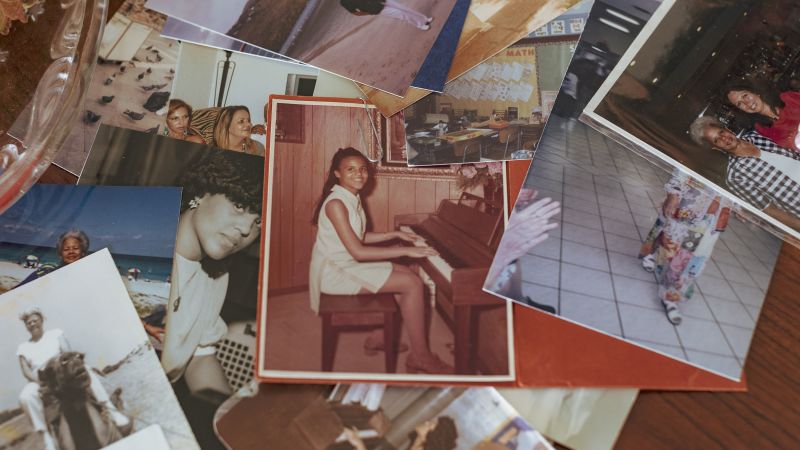
Alina López Miyares, an American detained in Cuba in 2017 and sentenced to 13 years in prison, was released earlier this year and returned to the United States in September, according to two sources familiar with the matter and a State Department spokesperson.
A US government team flew quietly to Havana to bring López back, the sources said. The US government did not pay or exchange anything with Cuba to secure the release, according to one source and the spokesperson.
“We welcomed Alina López return to the United States in September. There was no exchange for her release. Out of respect for her privacy, we have nothing further at this time,” the spokesperson told CNN.
The release, which CNN said had not been previously reported, came amid rising tensions between Washington and Havana as the Trump administration increased pressure on the Cuban government. Secretary of State Marco Rubio supported the effort to free López, the sources said.
López’s legal team, including longtime Washington, DC, attorney Jason Poblete and South Florida litigator Dylan Barket, declined to comment and asked for privacy for their client. CNN said it had contacted the Cuban Embassy in Washington, DC, and the Cuban foreign ministry for comment.
López was born in Cuba, left as a child, became a US citizen and worked as a special education teacher. Advocates said her estranged husband, whom they described as a Cuban spy, lured her to Cuba in 2017, where she was detained and accused of espionage. A military court sentenced her to 13 years in prison.
In 2022, the UN Human Rights Council Working Group on Arbitrary Detention ruled that López had been arbitrarily detained and called for her immediate release. A State Department official told CNN in March that the Trump administration had raised her case with Cuban officials and advocated for her release on humanitarian grounds. It is unclear at what level the issue was raised.
López’s son, Michael Peralta, said in March that his mother faced serious health challenges that might require surgery. He said her detention had caused the family “a lot of emotional and mental strain” and that she had missed her parents’ burials.
Peralta also described the strain on his grandparents while his grandmother visited López monthly. “My grandmother, while she was still alive, for several years was in her late 80s and early 90s, was visiting my mother once a month by herself, taking her food and medicine. I’m pretty sure that there was more rapid deterioration for her due to the stress and how emotionally distraught she was. Same for my grandfather. Seems like his like he aged a lot faster than one would have expected,” Peralta said.
“She’s desperate to come home,” he said. “She just keeps praying every day that she’ll be back home and close to us here in Florida, back in the United States, sometime soon.”