At Yuima Nakazato’s spring/summer 2026 haute couture show in January, the garments supplied the soundtrack. Models moved slowly through an old church as large, hand-sculpted ceramic beads chimed. The quiet made other sounds audible, too: camera shutters, breathing and footsteps between the swaying gowns—an unusual experience at a fashion show.
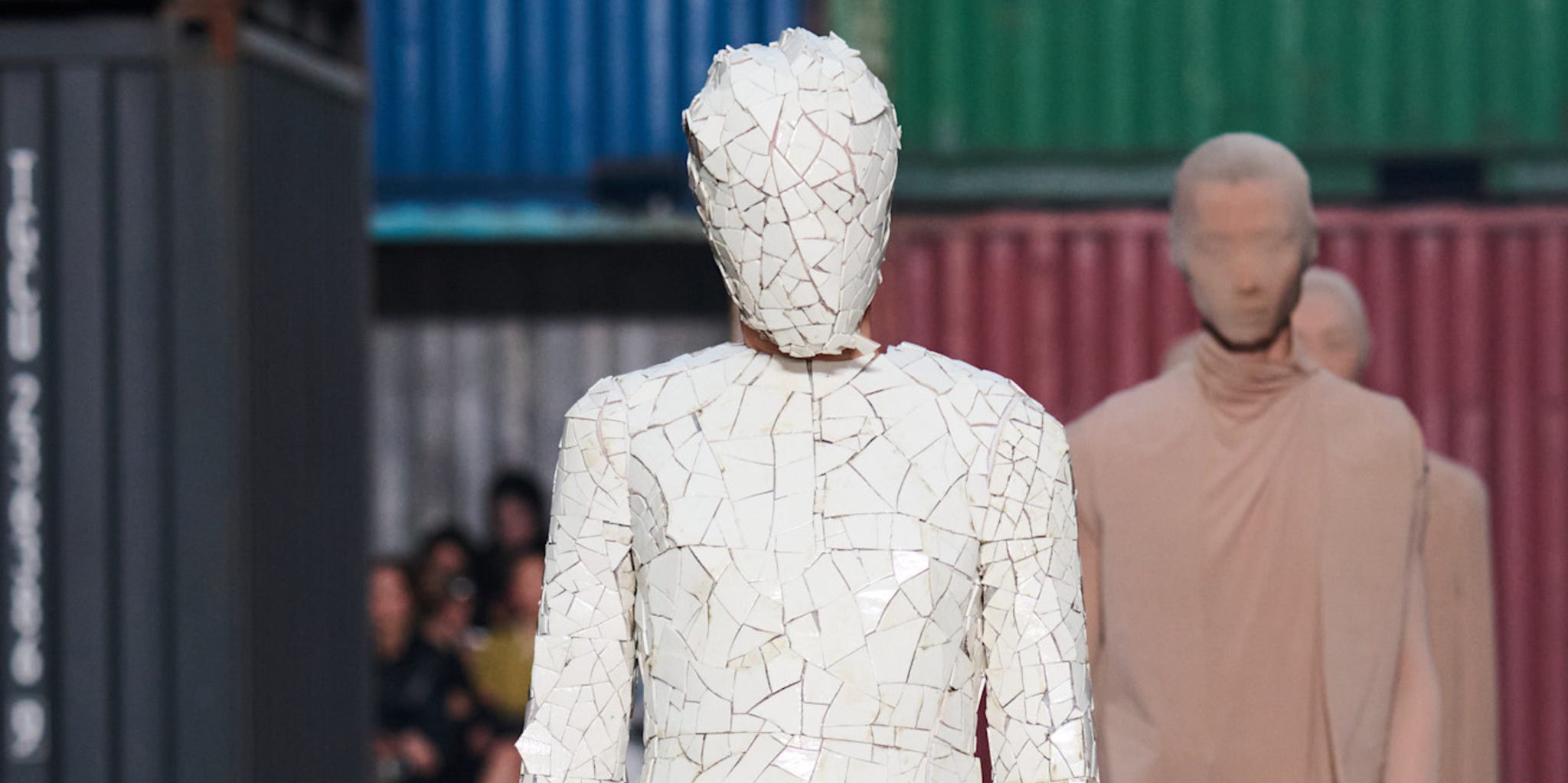
That runway moment is part of a growing interest in clothing designed to be heard. In 2024, Paloma Wool placed microphones near models as they showcased its clothes. Simone Rocha has since presented shoes topped with bells, while Celine’s embellished supersized paillette dresses rustled as they moved down the catwalk. Jean Paul Gaultier’s recent collections feature softly jingling bells, and earlier this year Maison Margiela showed a shattered porcelain dress that made the sound of breaking glass as a model wore it.
Nakazato chose to leave out music. “I chose not to add music to this show,” he wrote in his show notes. “Today, we live surrounded by electronic sounds streaming through headphones and by the glow of screens, constantly absorbing information. That is why, during the fifteen minutes of this fashion show, I invite you to direct your attention to the unstable, subtle sounds created by the garments before you, and to the breath of the bodies wearing them.”
The appeal of these sounds may be a moment of calm amid chaos. But fashion’s connection with sound, texture and movement is longstanding. Viktor & Rolf covered garments in bells for their fall/winter 2000 couture collection, turning the runway into what the article describes as a symphony of sound. In medieval Europe, women wore small bells sewn onto garments to signify presence and status. In the 1850s, the rustle of a large, full, colorful skirt was widely regarded as an audible sign of fashionable wealth and social standing.
Jean Paul Gaultier’s bell-covered dress for spring/summer 2027 drew inspiration from a JPG glove in the 1989 archive, covered in tassels and bells. “When we started adding bells on things, it made an amazing sound,” creative director Duran Lantink said immediately following the show. “So we started thinking about that woman, or that person who is quite loud—she’s there, and she’s present.”
Fashion’s sensory appeal extends beyond sound. The article points to bags intricately woven or made to resemble antique tapestries or a grandmother’s couch, as well as Monse’s kinetic fringe, Bottega Veneta’s fiberglass jackets and Valentino’s pleated mermaid-tail gowns tied with a black bow. Noir Kei Ninomiya’s “exploding garden dresses” combine real and synthetic flowers with sculptural silhouettes that seem to invite touch.
The runway’s sensory designs may reflect a desire to put phones aside and experience the world through its sounds, smells and textures. As the article puts it, this is fashion that wants to make you feel alive.