Audi’s $4 Billion US Investment: What It Reveals About the Changing Global Automotive Industry
By Google News Motors ·
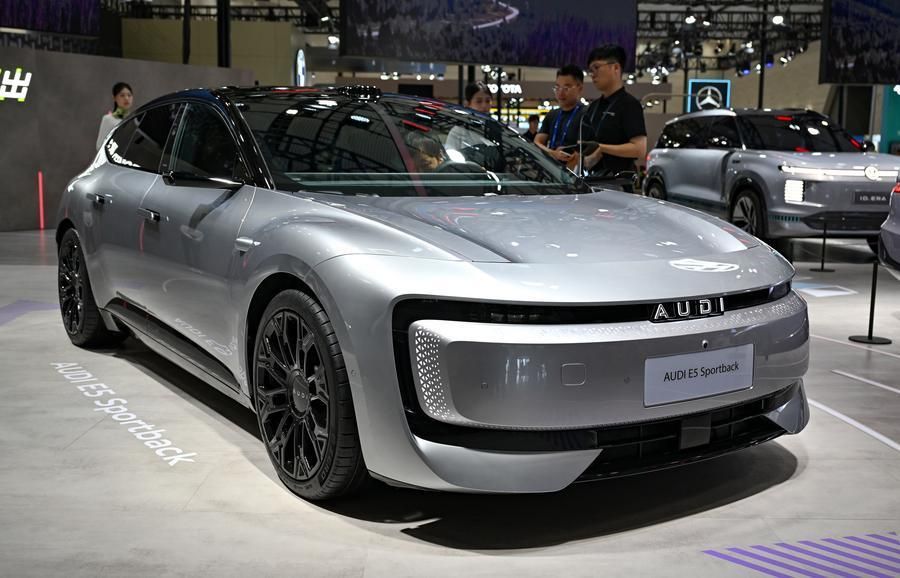
Visitors view a new energy vehicle of Audi during the 2025 World New Energy Vehicle Congress (WNEVC 2025) in Haikou, south China's Hainan Province, Sept. 27, 2025.
Volkswagen’s luxury brand Audi is planning a $4 billion assembly plant in Georgia, with a possible further $3 billion expansion. The project matters not simply because it could create thousands of jobs, but because it shows how tariffs, state incentives and pressure to manufacture closer to major markets are reshaping the global automotive industry.
The proposed facility near Macon is expected to begin production in the early 2030s, with capacity for 200,000 SUVs a year and around 4,500 jobs. Documents released by the Mid-Georgia Gateway Development Authority outline a possible second phase that could add $3 billion and 3,000 jobs by 2033.
This expansion remains under consideration, while Volkswagen has said the initial investment is subject to approval by the relevant company bodies.
The scale of public support is striking. Georgia is providing a 1,500-acre site, approximately $458 million in tax incentives, more than $120 million in grants and a further $430 million for water, roads, utilities and workforce development. The state is absorbing significant upfront costs in the expectation that employment, supplier activity, wages and future tax revenues will justify the investment.
It is also competing with other regions offering manufacturers attractive packages.
This reflects a wider return of industrial policy. Governments are using subsidies, tax credits, infrastructure spending and local-content rules to attract factories and secure strategic industries. The Trump administration has made domestic production central to its trade agenda.
Audi’s negotiations with Washington reportedly include reducing the 15% tariff on EU vehicle imports to around 10% in exchange for significant US investment. This relief has been discussed, but has not been confirmed as a final arrangement.
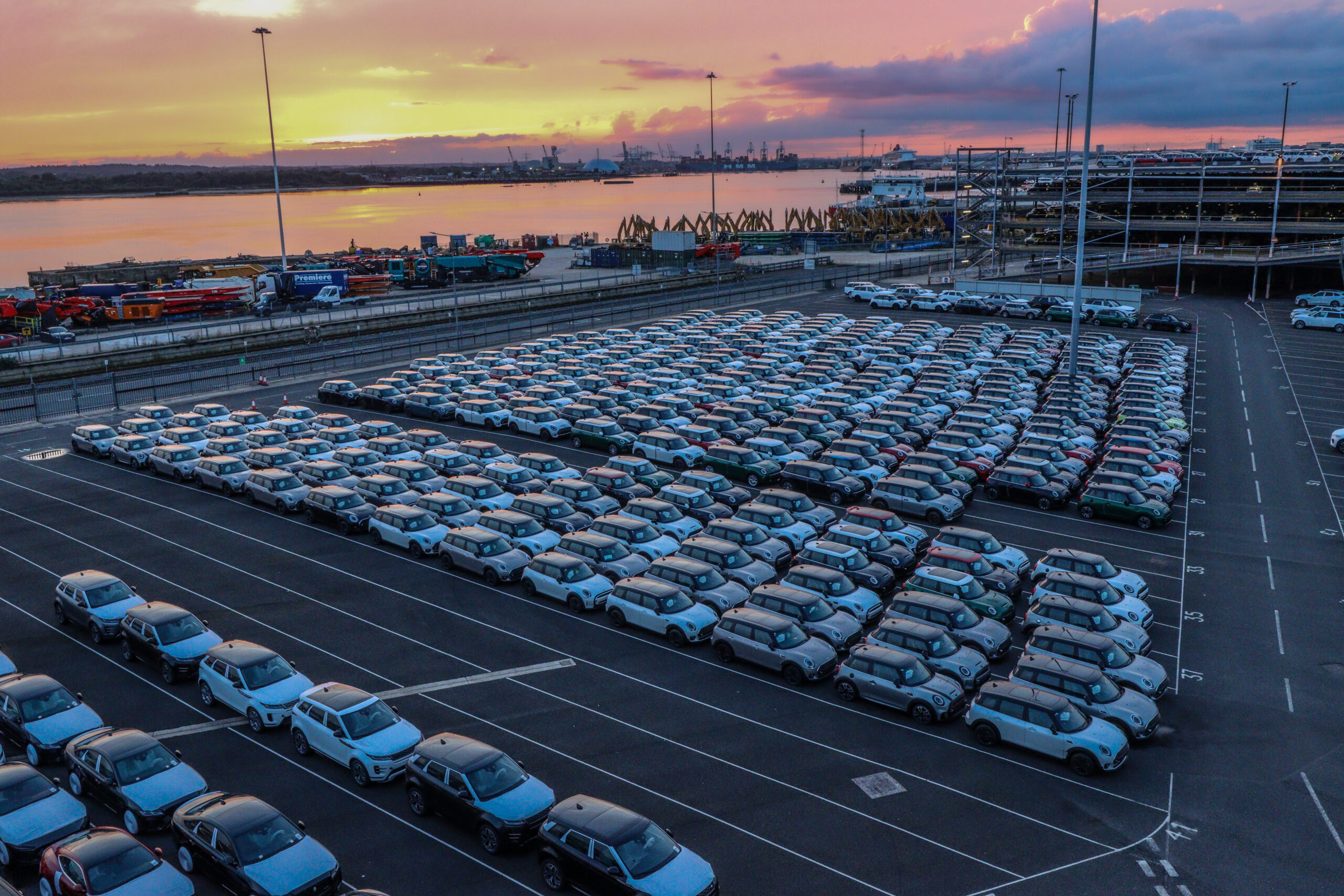
The commercial logic is clear. Audi currently imports the vehicles it sells in the US from Europe and Mexico, leaving it exposed to tariffs and trade-policy changes. Reuters reported that US tariffs on vehicles, steel, aluminium and parts cost the company approximately €1.2 billion last year.
Local assembly would reduce some of that exposure, bring production closer to customers and strengthen Audi’s position in one of the world’s largest premium-car markets.
For Europe, the implications are more complicated. The US remains the EU’s second-largest export market for new vehicles, yet EU vehicle exports to America fell 21.7% in value in 2025, to €31 billion, according to the European Automobile Manufacturers’ Association. When tariffs make exporting less attractive, manufacturers have an incentive to move production.
This may protect sales, but it can also shift investment, industrial capacity and supplier opportunities away from Europe. Audi’s decision highlights the pressure facing European manufacturers as they navigate weaker export performance, high production costs and competition from China.
For BRICS economies, the lesson is that access to major markets increasingly depends on where vehicles are assembled, where components originate and whether governments can provide reliable infrastructure and policy certainty. China has expanded its position in electric vehicles and battery supply chains, while India, Brazil and South Africa are seeking to deepen their manufacturing bases. The…
Originally published by Google News Motors