Australian-Palestinian doctor Munther Emad says he was denied entry to the occupied Palestinian territories at two separate border crossings, despite an approved visa and an official invitation from Rozana, a health diplomacy charity. He says the alleged reason was that he holds a Gaza ID, although he has not lived there for 28 years.
Emad had planned to join a health diplomacy delegation to the occupied Palestinian territories and Israel. As a director of Rozana Australia, he advocates dialogue through healthcare collaboration. Rozana trains Palestinian doctors and nurses in Israeli hospitals and transports patients from the West Bank and Gaza to critical care.
He was also invited to speak at Bethlehem University, where he studied and graduated in 1996. Emad says border agents focused on his place of birth rather than the work he was travelling to do. He argues that the stigma attached to being born in Gaza and the dehumanisation of Palestinians stand in the way of peace, dignity and coexistence.
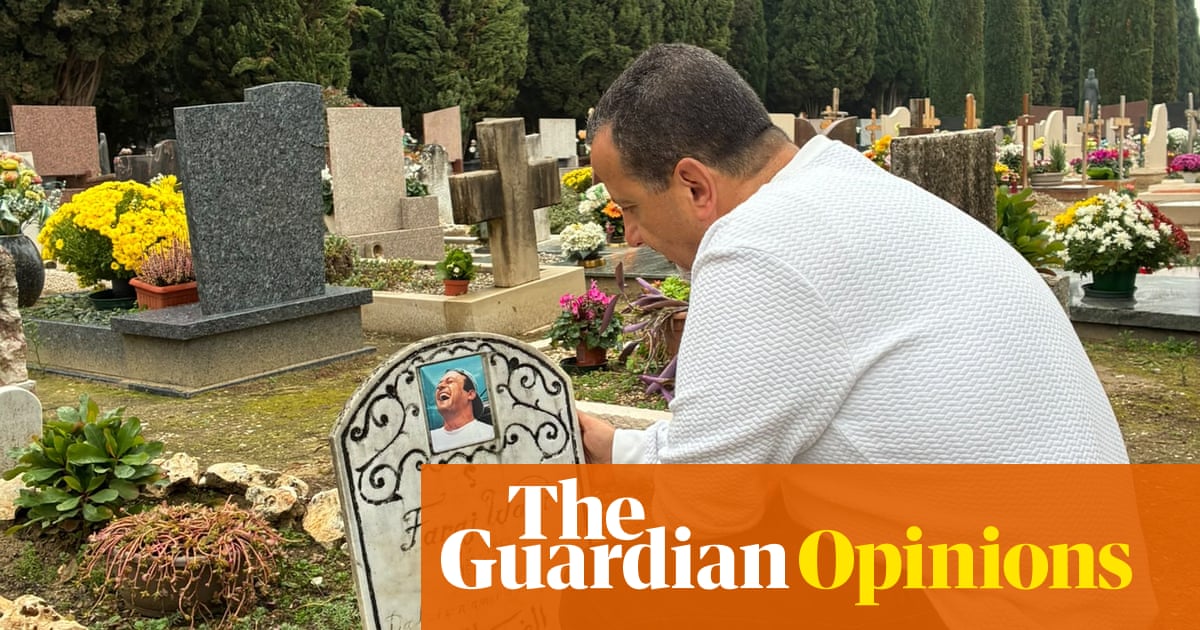
After Israeli authorities told him to return to Australia, Emad travelled to Malta and then Sicily and Venice. In Venice, he visited the resting place of his friend Faraj Wadi, a fellow Bethlehem University alumnus who died in 2003. Wadi left an Italian wife and two Palestinian-Italian sons, Ishmael and Isaac.
Wadi chose those names, referring to the biblical forebears of Jewish and Muslim peoples, because he wanted Palestinians to be treated as equals of Israelis, Emad writes. He says Wadi found equality and freedom in Venice, while many in Gaza remain unrecovered and unburied after three years of mass destruction.
Emad says the trip offered a moment of peace and recollection after a traumatic three years. He has returned to his work in Australia, committed to Rozana and to building equality, freedom and peace for Palestinians and Israelis. He says that requires ending the dehumanisation of Palestinians at checkpoints and borders.
Emad argues that Palestinians and Israelis must work together for equality and an end to segregation. He also says Australia has a stake in the issue: the federal government has funded programs bringing senior Palestinian and Israeli health leaders together, and the royal commission on antisemitism and social cohesion is due to report next month. Both, he says, depend on people being free to move and be heard.
Dr Munther Emad is a Palestinian Australian born in Gaza and a director of Rozana Australia. He writes in a personal capacity. The piece is dedicated to Faraj Wadi, whose name in Arabic means awaiting relief after hardship.