Democratic Party's Midterm Landslide Raises Regulatory Concerns; OpenAI CFO Says Data Center Buildout Won't Hit the Brakes
By Google News AI ·
The Democratic Party swept both chambers of Congress in the U.S. midterm elections, and markets are worried that artificial intelligence (AI) data centers will face stricter regulation, slowing the pace of industry expansion.
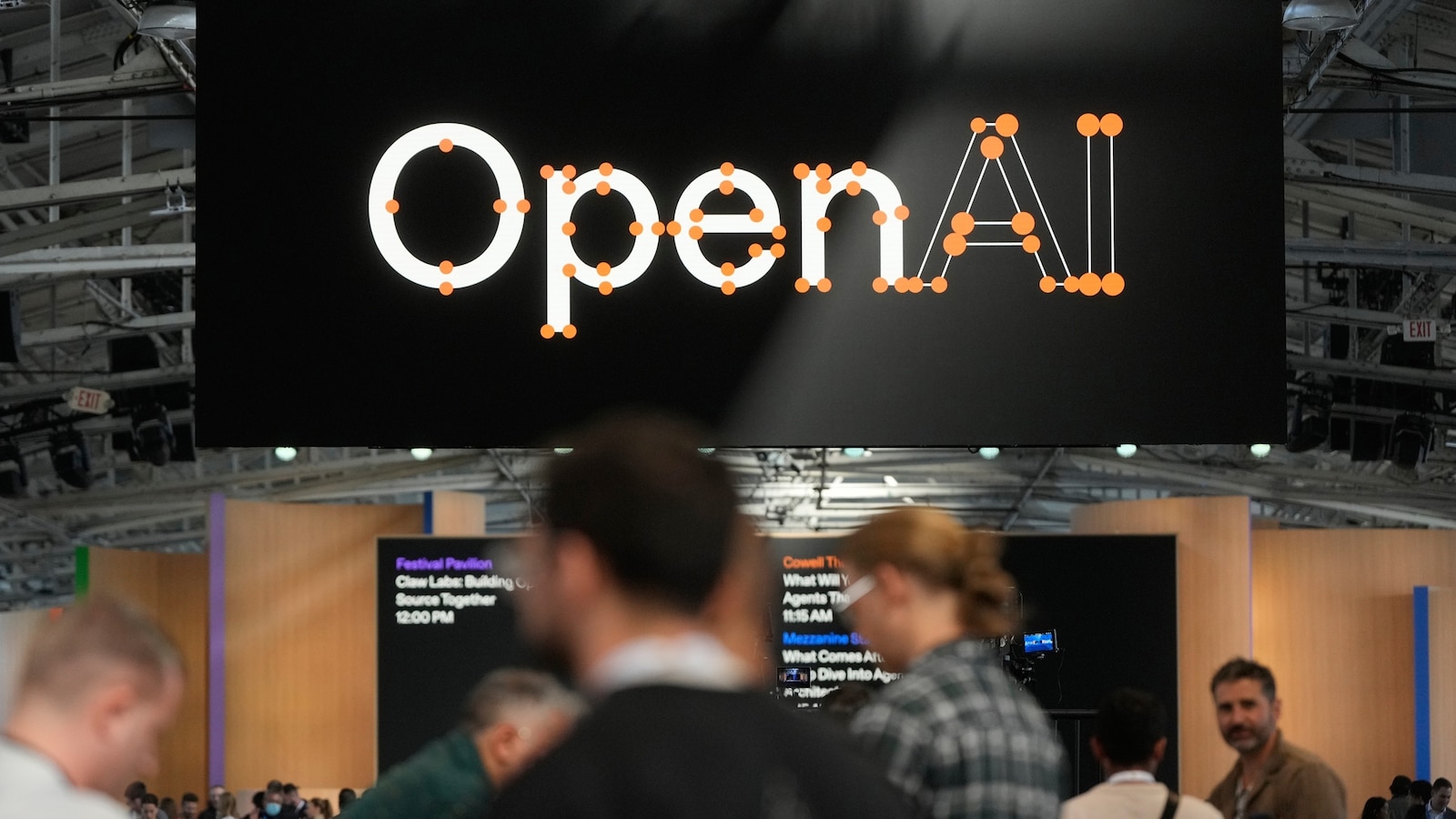
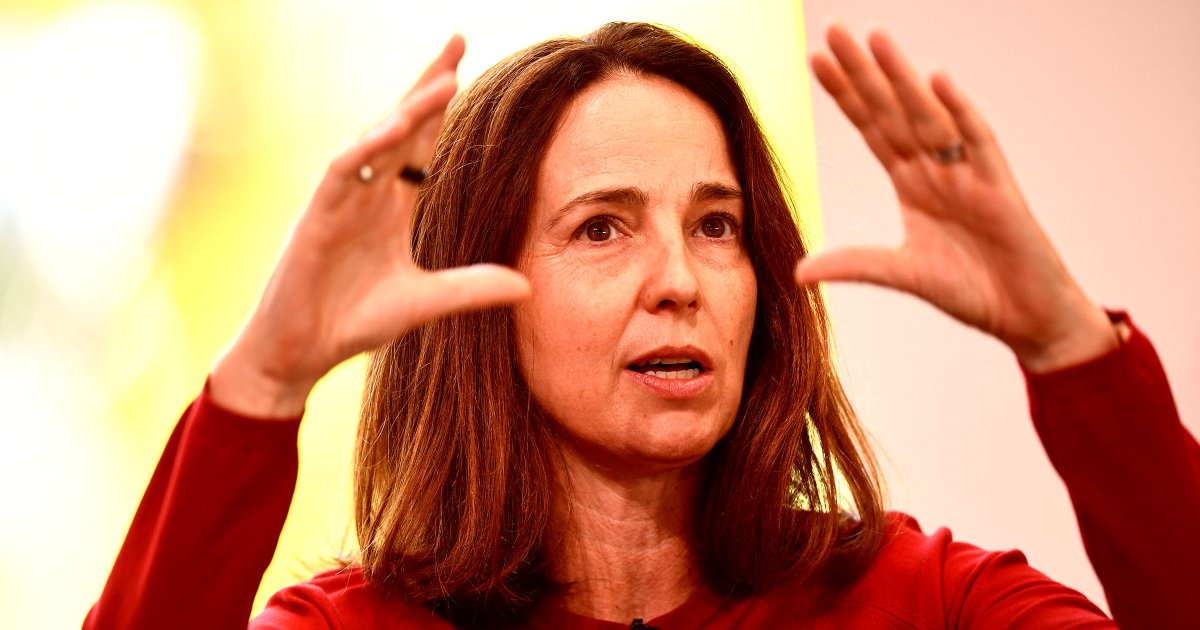
OpenAI CFO Sarah Friar said clearly in an exclusive CNBC interview on the 6th that the company's investment direction will not shift because of the election results, and that it will continue to advance data center construction in the United States while simultaneously launching a new funding round.
In the interview, Friar stressed that when thinking about the midterm election results, one must always put first the question of how to keep investing to meet customer demand. She said that to secure the computing capacity it needs, OpenAI will continue building relationships with local communities.
The backdrop to these remarks is that after the Democratic Party's overwhelming victory in this election, the market widely expects AI data center development to encounter stricter scrutiny.
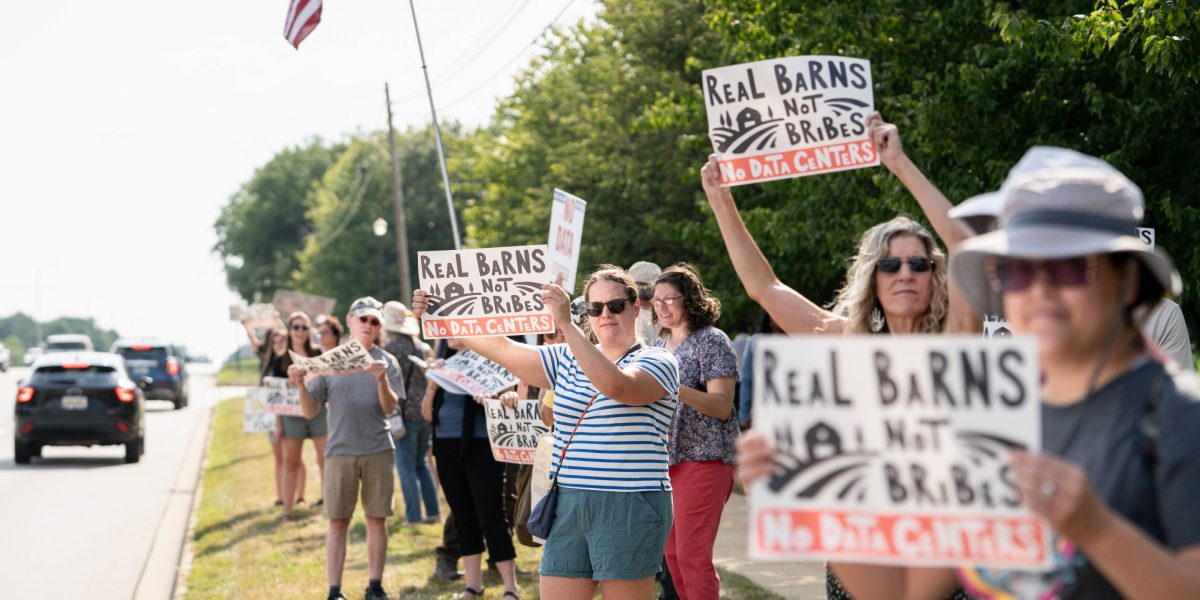
During the campaign, public resentment over data center construction became a major flashpoint, with Democratic candidate Gina Hinojosa, who won the Texas governorship, and others making tougher data center regulation a headline campaign promise—and Texas is the region with the fastest data center expansion in the world.
After the election results were announced, investors worried that the data center construction on which the AI boom depends would be delayed, and U.S. stocks fell sharply on the 5th, with about $2.5 trillion in market value wiped out in an instant.
Facing local backlash, OpenAI on the 5th preemptively announced a new policy called the "National Community Compact," pledging that future data centers it owns and operates will fully bear electricity and related infrastructure costs, and that construction plans and information on water and power use will be made public.
The company also promised that, except in specific cases involving trade secrets or security, it will no longer require public officials to sign nondisclosure agreements when discussing site locations with them, in order to increase transparency and win local support.
According to market information, this midterm election included 41 local ballot measures related to data centers across 10 states, of which 40 supported restricting development or rejected measures favorable to development, reflecting rising public dissatisfaction with data centers' power consumption, higher electricity bills and environmental impact.
On the funding side, OpenAI's new round has completed a first tranche of $11 billion, with up to another $9 billion potentially to be raised, at a pre-money valuation of about $1.25 trillion, and the company continues to evaluate the possibility of a listing in 2027.
However, the fundraising atmosphere is clearly weaker than before.
According to a report by DealBook, part of The New York Times, citing people familiar with the matter, Japan's SoftBank Group this round has only discussed investing a few hundred million dollars, far below the scale of tens of billions of dollars seen previously, and existing investors such as Coatue Management have also reduced their subscription amounts.
OpenAI's fundraising target for this round has been cut from an initial $30 billion to about $20 billion. The report also noted that an investor consortium including MGX, the United Arab Emirates' state-owned technology investment firm, is expected to become…
Originally published by Google News AI