'Driveway divide' leaves some Scots facing barriers to switching to electric cars
By Google News Motors ·

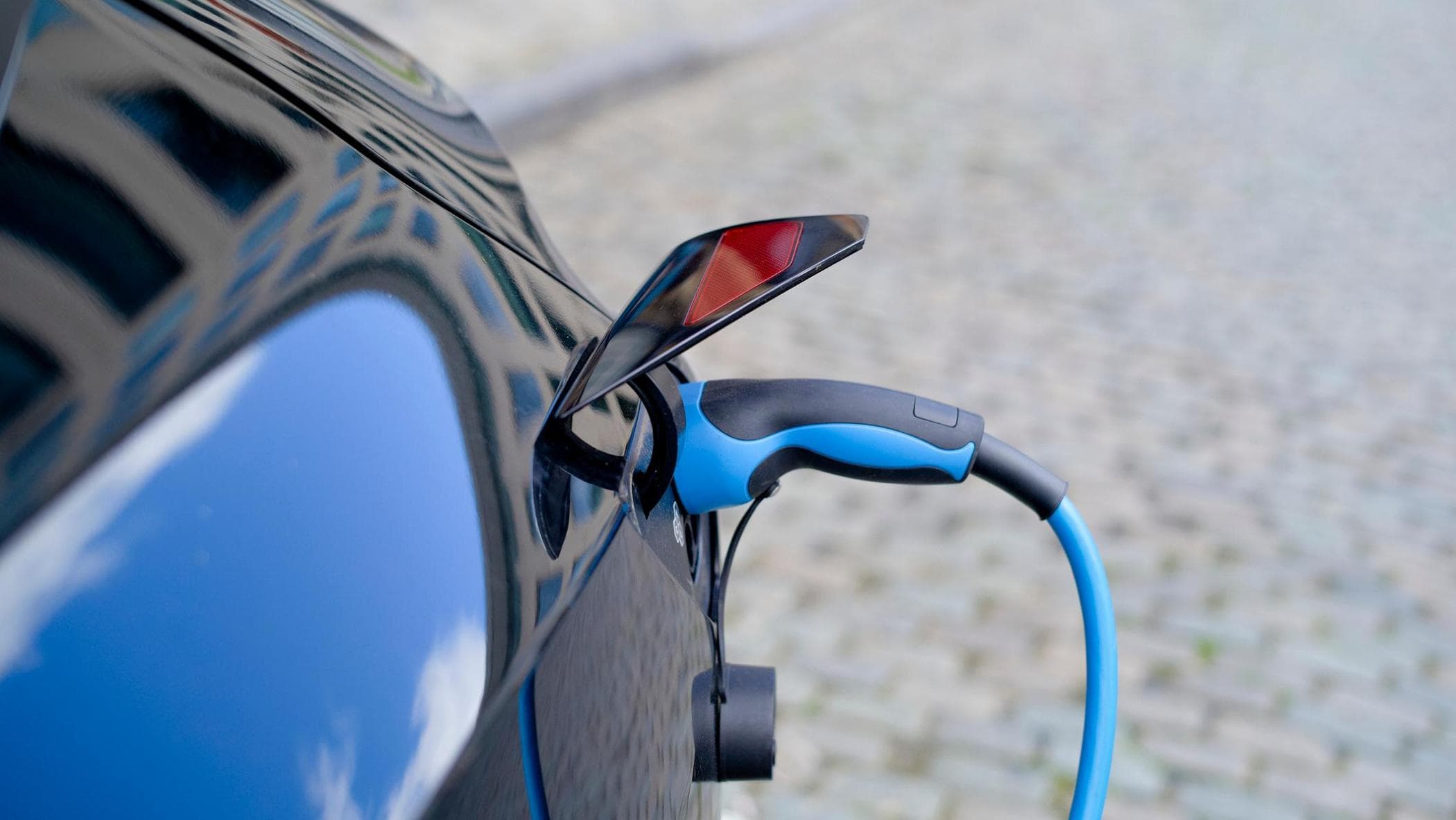
A business group has warned of a "stark inequality" in the switch to electric vehicles (EVs), driven by a growing divide between Scots with access to off-street parking and home charging and those without.
Analysis by the Open Road Partnership found Scotland has the third-highest EV uptake of any region or nation in Great Britain – but that motorists in some communities face significantly greater barriers to making the switch than others.
Under the UK Government's zero emissions vehicle (ZEV) mandate all new cars and vans sold from 2035 must be fully electric, while 80% of new cars and 70% of new vans must be ZEVs by 2030.
In August, the UK Government announced that it would examine whether the mandate was still fit for purpose. That consultation closed last month.
The study ranked all 632 parliamentary constituencies in Great Britain according to a number of factors influencing drivers' ability to adopt an EV, such as median wages and access to off-street parking.
The Great Renewables Rip-Off? Green energy 'con' costing Scotland billions exposed
There's nowhere in the world I'd rather grow old than my Scottish village
A new Scottish home can be built in a week. This is why approval takes so many years
Scotland's newest train station is ready to go. So what exactly is the hold-up?
It found some of Scotland's 57 constituencies are well placed to make the transition – but that some areas face some of the highest barriers in the country.
The lowest-ranked in Scotland is Inverclyde and Renfrewshire West at 577th, while four Glasgow seats were found to be among the "most challenged".
The data showed off-street parking potential in Glasgow South and Glasgow East stands at just 9.9% compared with 80.4% in Aberdeenshire and Kincardine.
The Open Road Partnership is a collective of automotive businesses representing millions of car and van customers across the UK.
Robert Forrester, chief executive of Vertu Motors, said: "The ZEV mandate consultation is in danger of missing the wider point of the public's readiness for making the switch to EV cars and vans.
"Drivers in communities at the bottom of this index are not unwilling to change; they are being asked to overcome barriers that are either out of their control, or unachievable in the time frame.
"Forcing vehicles into the market cannot manufacture consumer demand.
"Unless the Government first addresses affordability and infrastructure, the mandate will punish manufacturers, retailers and motorists for conditions they cannot control."
With the consultation now over, ministers are considering the future of the framework in consultation with the Scottish Government.
The partnership is calling for both governments to close the "charging divide" by accelerating affordable and accessible public charging, and to address the affordability of EVs.
The group is also calling on the governments to "align the ZEV mandate with real-world market readiness" by ensuring its trajectory reflects the ability of consumers to make the transition.
Richard Jones, Zenith chief executive, said: "The research reveals a stark inequality at the heart of the UK's EV transition.
"For those with a driveway, running an EV can cost a fraction of the price of filling up a petrol or diesel car.
"But for those who rely on public charging, costs can be up to 10 times higher, and in many cases are likely to exceed the cost of running an ICE (internal combustion engine) vehicle.
"These findings are not an…
Originally published by Google News Motors