The European Union and Indonesia signed a free trade deal on Saturday, opening what they described as a new chapter in economic relations after almost 10 years of negotiations.
The Indonesia-European Union Comprehensive Economic Partnership Agreement (CEPA) and an additional Investment Protection Agreement (IPA) are designed to reduce trade barriers and attract investment in strategic sectors, including electric vehicles, electronics and pharmaceuticals.
“This is one of the most ambitious deals the European Union has concluded in Asia,” European Commission President Ursula von der Leyen said at the signing ceremony. “Together, we represent a market of 730 million people,” she added.
The deal would remove tariffs on about 98% of EU exports to Indonesia. The EU estimates European companies could save more than €600 million (around €658 million) per year.
Indonesian Minister of Economic Affairs Airlangga Hartarto said the benefits for exporters were “concrete and measurable” and hailed a “new chapter” in economic relations with the EU. He said the deal would benefit Indonesia’s main exports to Europe, including palm oil, footwear and textiles.
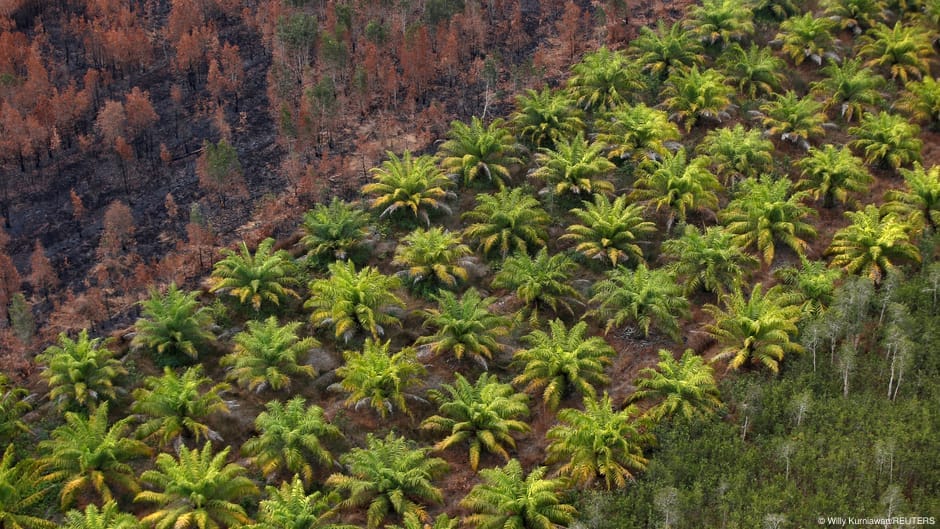
Palm oil and deforestation were major stumbling blocks during negotiations. The agreement includes mechanisms for cooperation on regulatory and sustainability issues, as well as a dedicated palm oil protocol to address environmental concerns.
Von der Leyen also stressed the importance of international cooperation, saying that “in a time when others are closing their doors, we keep ours open.” The deal is part of a wider series of EU trade agreements as the bloc seeks to reduce reliance on individual economic partners amid more difficult trade with China and the US in recent years.
The European Parliament is expected to approve the deal, while Indonesian authorities will also complete the ratification process. The agreement is expected to enter into force in 2027.