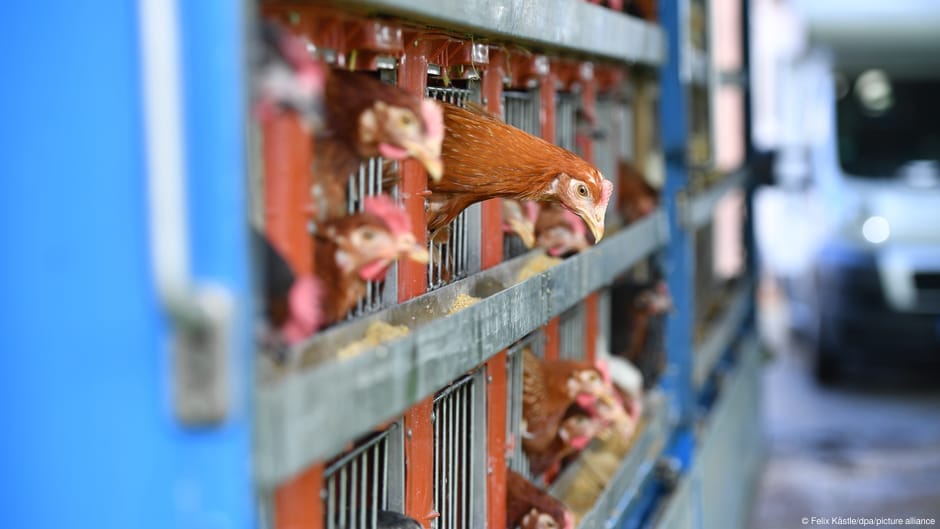
The European Union must set out a timeline for measures it plans to take in response to a citizens’ initiative calling for an end to cages for farm animals, the European General Court ruled on Wednesday.
The Luxembourg-based court, the EU’s second-highest, found that the European Commission had not followed through on its pledge to address the practice. In 2021, the Commission set a goal of passing legislation by the end of 2023 to stop farmers from keeping hens, rabbits, sows and other animals in cages. The pledge followed a petition signed by 1,4 million people.
After the Commission did not act on that timeline, campaigners sought a new one. When that did not happen, they brought a case before the court, which ruled in their favor.
“The Commission is under an obligation — which is not limited in time — to set out a timeline for all the measures which it intends to take in response to such an initiative,” the court said.
Under the “European citizens' initiative” system, the Commission must receive petitions with more than one million signatures from at least seven EU countries, but it is not required to meet their demands. The court said that if the Commission decides to act, it must keep the public and the European Parliament informed of a timeline, in line with the principle of “good administration.”
The Commission said it was analyzing the ruling before making a decision. It can still appeal.
The Commission has previously said it intends to propose a phased elimination of cage systems for chickens by the end of this year. It has also said it plans a separate proposal to move from farrowing crates to pen-based systems for pigs by 2027.
The Albert Schweitzer Foundation says no timetable has been set for calves, rabbits, ducks, geese and quail. In the EU, about 143 million egg-laying chickens are kept in cages, while most female pigs spend at least part of their lives caged. Cage systems are already prohibited in EU agricultural production accredited as “organic.”