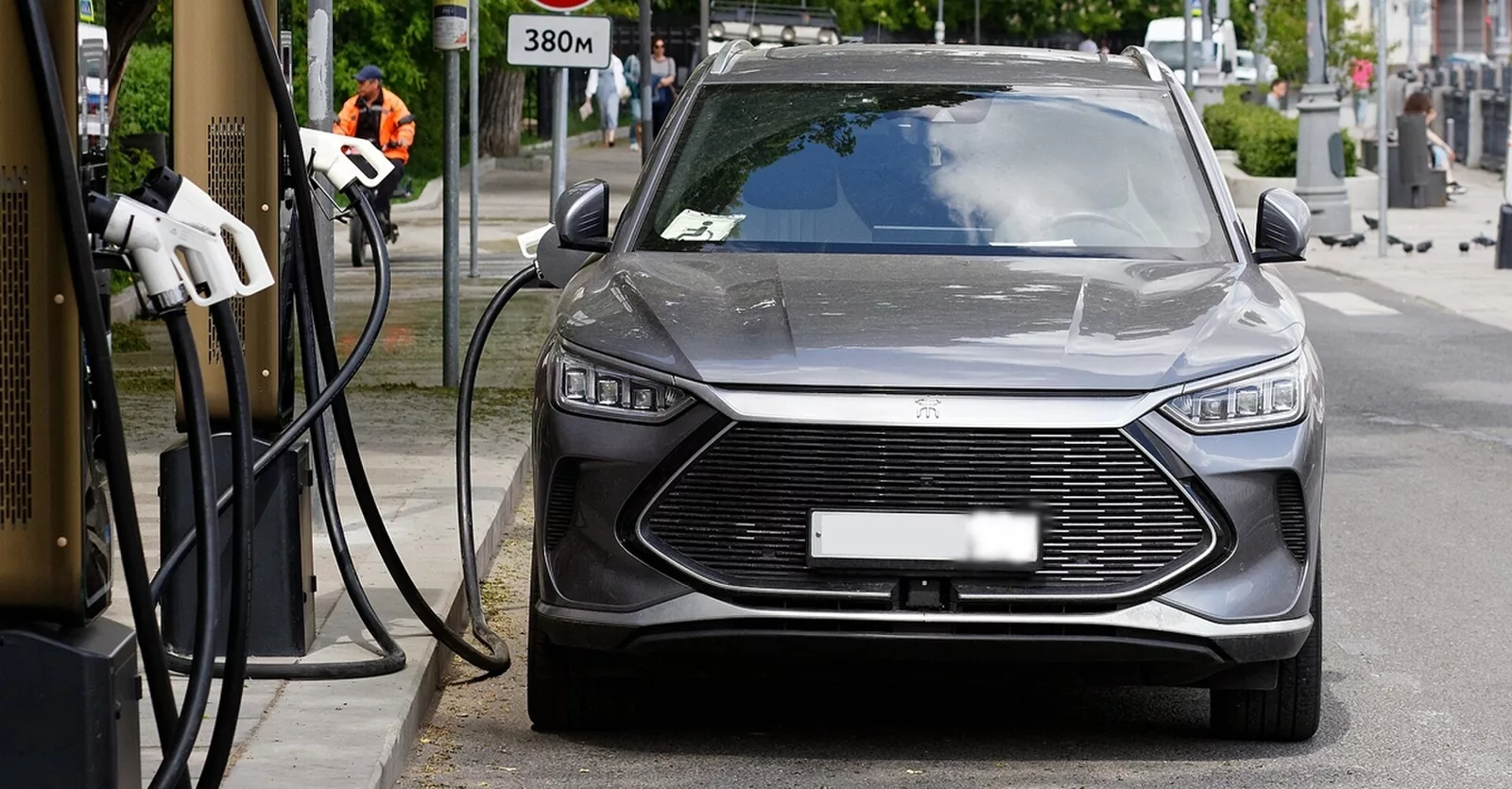
The European Commission (EC) published provisional safeguard measures on November 24, setting import quotas for certain hybrid vehicles. The measures will take effect on December 1 and apply to hybrid imports from all origins, the Commission said.
“These restrictions are needed to protect EU industry against a sharp recent increase in imports of such vehicles,” the Commission said. The measures follow an investigation that found imports of hybrid vehicles into the EU have increased significantly since 2023.
The quotas implement an understanding reached at the second meeting of the EU-China Trade and Investment Consultations on October 9 2026, to moderate China’s exports of hybrids to the EU. They set a maximum quantity that may be imported for the duration of the provisional measures; imports above the quotas are not allowed.
The investigation found that growing global production overcapacity and increased use of trade-restrictive measures in other major markets had driven a surge in hybrid passenger vehicle imports into the EU. It also found that EU-based manufacturers were losing market share despite a growing EU market, putting the long-term viability of their hybrids business at risk.
The Commission said the threat of serious injury to EU industry was imminent.
Quotas are divided between country-specific allocations for origins with a substantial interest in supplying the EU market and a residual quota for all other origins. Countries that accounted for more than two per cent of EU imports in 2025 received country-specific quotas, set at their recorded 2025 import levels increased by a little over 15 per cent.
The safeguard investigation was initiated on October 30 2026, following the understanding reached on October 9. It covers full hybrid electric vehicles (HEVs) and plug-in hybrid electric vehicles (PHEVs), including mild hybrid electric vehicles (MHEVs).
Both types combine an internal combustion engine with a battery-powered electric motor. PHEVs can be recharged by connecting to the electricity grid, while HEVs generate electricity internally through regenerative braking and the internal combustion engine. MMHEVs use a smaller battery to improve fuel efficiency.
The provisional measure may remain in place for a maximum of 200 days. Definitive measures may be imposed within nine months of the investigation’s initiation, a timeline that can be extended by a maximum of two months.
(Photo: Retired electrician, via Wikimedia Commons)