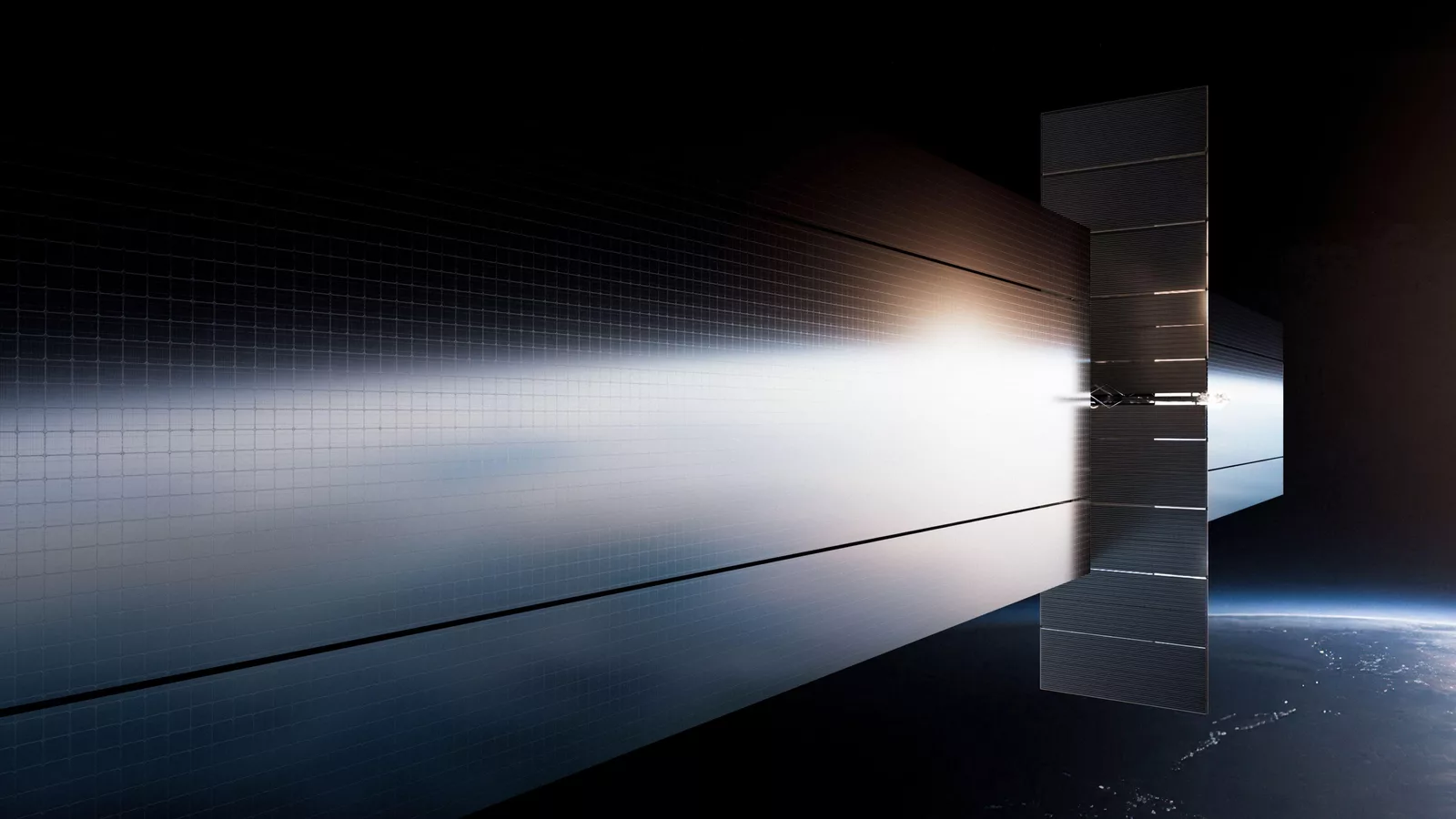
The Federal Communications Commission on Wednesday conditionally authorized SpaceX to deploy up to 1 million Starmind satellites as orbital data centers, a constellation that, if completed, would increase the number of satellites in orbit by roughly 50-fold.
“The United States is moving decisively to ensure that this breakthrough technology creates opportunity, drives investment, and delivers lasting benefits for the American people,” FCC Chairman Brendan Carr said in a statement on Wednesday. “This action opens a bold new frontier for the computing infrastructure needed to power America’s leadership and growth.”
Announced a day before the Thanksgiving holiday in the United States, the decision is a major regulatory victory for SpaceX and founder Elon Musk, who has allied himself with the Trump administration. It clears a major hurdle for deploying data centers in space, but does not establish that they are technically or economically viable. The authorization gives SpaceX latitude to work through those remaining issues.
Under the order, SpaceX has seven years to deploy one operational Starmind satellite, until November 2035 to deploy 100,000 operational satellites, and until November 2040 to deploy the full constellation. The company therefore has a 14-year regulatory runway for what the article describes as the most ambitious industrial project ever approved for spaceflight.
The authorization is conditional in some respects. SpaceX proposed operating in six orbits, from 550 km to about 1,000 km, and sought a waiver from FCC rules to let it dispose of satellites above 600 km in “Earth disposal orbits or heliocentric orbits.” That would allow retired satellites to be moved into other orbits around Earth or potentially around the Sun, rather than being burned up in Earth’s atmosphere.
The FCC denied that waiver request, saying “because SpaceX has not provided sufficient information for the Commission to determine whether its alternative disposal methods are compliant with the Commission’s requirements.” SpaceX must obtain a waiver before deploying any Starmind satellites not intended for disposal through atmospheric reentry.
The FCC was more permissive on environmental concerns raised by parties that commented on SpaceX’s application. Half a dozen organizations, including the Secure World Foundation and American Astronomical Society, warned of collision risks, orbital debris, atmospheric pollution from satellite reentries, effects on astronomical observations and other issues. The commission also received approximately 1,500 public comments on the application.
The FCC said some environmental issues were outside the scope of its review. On concerns about the environmental effects of thousands or potentially tens of thousands of rocket launches, it said: “Potential concerns related to the emissions of rocket launches and the subsequent impacts on the human environment as an indirect result of the Starmind system are outside of the Commission’s purview.”
The agency also rejected requests for further environmental scrutiny of pollution from satellite reentries, including concerns about aluminum oxides and possible effects on the ozone layer. “Other concerns, including impacts on the atmosphere caused by satellites burning up on re-entry, remain speculative and not supported in the record,” the FCC authorization states.
The FCC cited a policy change adopted in October, when it concluded that space-based activities generally fall outside its obligations under the National Environmental Policy Act. The agency reasoned that activities beyond US territory are not federal actions requiring environmental review, and declined to conduct a comprehensive environmental assessment of SpaceX’s Starmind constellation.