Fossil fuels gained ground this month as leaders pledged to increase oil production while climate negotiators failed to agree on whether to mention moving away from fossil fuels in a COP31 deal.
At the first-ever US-China-Russia leaders’ meeting, held last week in Shenzhen, China, President Donald Trump, China’s Xi Jinping and Russia’s Vladimir Putin issued a joint statement pledging to ramp up oil production and supply.
Meanwhile, at the COP31 climate summit in Antalya, Turkey, talks broke down over whether the final deal should refer to moving away from fossil fuels, the drivers of the climate crisis. The deal was intended to set priorities for tackling the global crisis.
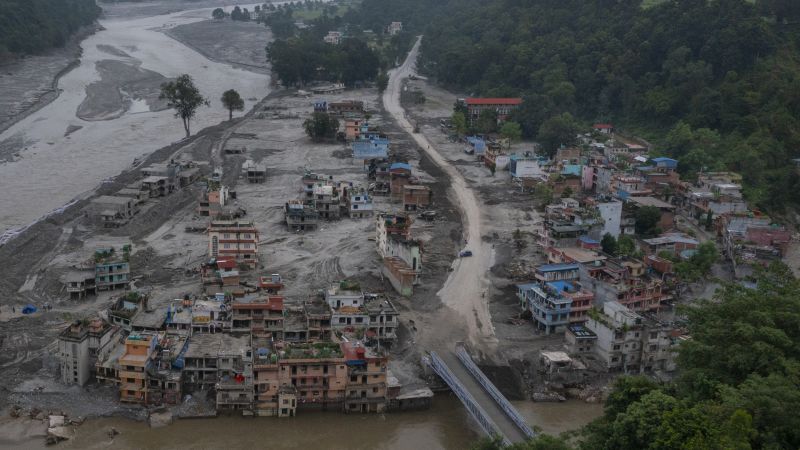
The impasse came after catastrophic floods, fires, heat waves and more powerful storms swept the planet this year. Despite those impacts, global climate action appears to be weakening, while fossil fuels continue to gain ground.
Three years ago, countries at COP28 in Dubai agreed to an unprecedented call to transition away from fossil fuels. It was the first time those words had appeared in a COP climate deal, and seemed to signal a shift.
But petrostates such as Saudi Arabia and Russia have since shown “buyer’s remorse,” said Alden Meyer, a senior associate of the climate change think tank E3G. They have opposed including the words “fossil fuels” in subsequent agreements and have been remarkably successful, he said.
What happened in Turkey “is clearly an effort by a handful of energy-exporting states to block action that will reduce demand for their product and their profits,” Meyer said.
Some oil-producing countries instead pushed for commitments to ramp up carbon capture. The technology removes climate pollution from fossil fuel facilities, but is unproven at scale, expensive and currently used mostly to extract more oil and gas from aging fields.
Geopolitical pressures have also helped petrostates. Global attention is diverted by conflicts, including the Iran war. In the United States, the Trump administration has called climate change “nonsense,” focused on boosting fossil fuels and withdrawn the country from international climate action. The US is now a COP no-show.
The United States was often accused of lacking ambition at climate talks, but its negotiators were also known for gently coaxing petrostates toward more ambitious collective action.
Harjeet Singh, a COP negotiations veteran and founding director of Satat Sampada Climate Foundation, said petrostates are not the only ones who “stand exposed” over a lack of ambition. Countries that present themselves internationally as climate leaders are also approving oil and gas projects at home.
The United Kingdom has just approved development of Jackdaw, a major new gas field in the North Sea, and is debating whether to approve a huge North Sea oil field. Canada is backing a new pipeline to carry a million barrels of oil a day to Asia. Ireland, whose climate minister called a COP31 deal silent on fossil fuels “unconscionable,” is pushing ahead with a new import terminal for liquified natural gas.
Experts also pointed to possible upsides from the failed COP31 deal. “Petrostates and rich polluters failed to get countries to endorse a text that would have moved the world backward on climate action,” said Mohamed Adow, founding director of the think tank Power Shift Africa.
Meyer said the breakdown could ultimately backfire on oil-producing nations by deepening a sense of crisis and helping countries seeking more ambitious action build closer relationships.
He said COP31 was not a total bust: although the overarching deal was rejected, other measures were agreed. Around 80 countries pledged to boost electrification of their economies, and more than 30 countries are developing roadmaps to move away from fossil fuels.
Outside the COP conference halls, wind and solar costs are falling sharply, and clean energy is growing at a record pace. Wars and conflicts have also exposed the risks of an energy system powered by fossil fuels and reliant on a few chokepoints in volatile regions.
Iran’s restrictions on the Strait of Hormuz, a key oil and gas transport route, sent energy prices soaring and contributed to a wave of cost-of-living pressures. Renewable energy is increasingly seen as a route to energy security for oil and gas-importing nations, which can harness wind and sun on their own land.
“Petrostates are fighting so hard precisely because the economics have turned against them,” Singh said. “But they’re winning on the politics, and that’s why we’re going backwards.”
Source: CNN