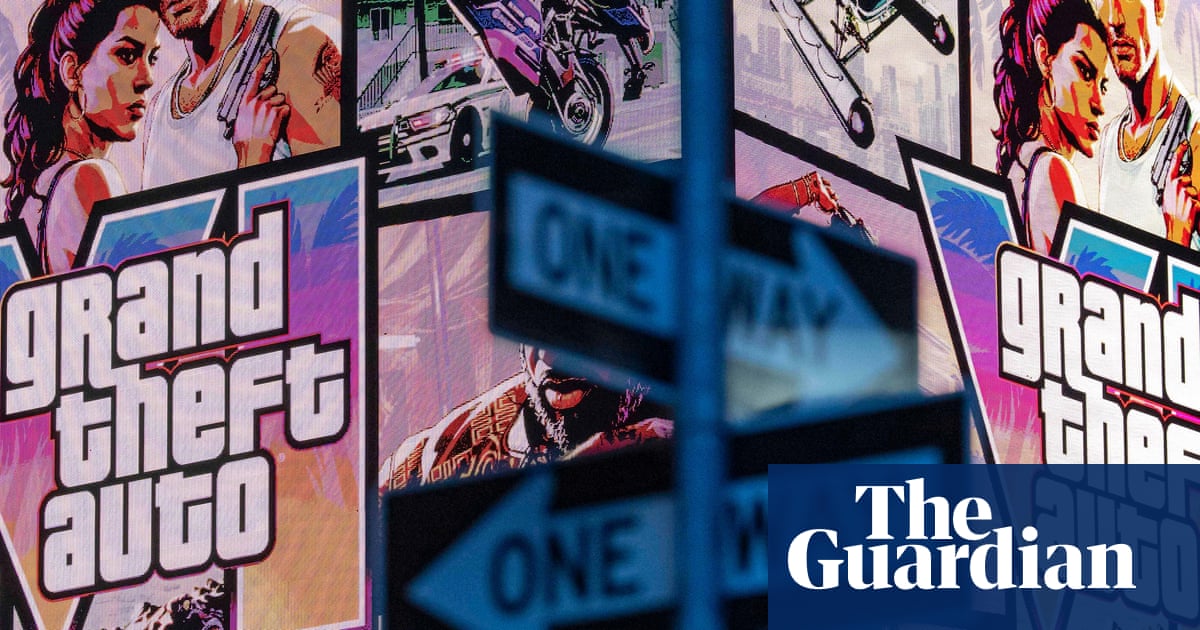
The Guide #270: Grand Theft Auto VI is everywhere – but is it really the cultural event of the decade?
Grand Theft Auto VI may be the biggest entertainment release in history, but the game’s reach also highlights the limits of shared cultural experiences, writes Gwilym Mumford in The Guide newsletter.
The game’s reported scale is immense: an estimated $1bn cost, 13 years in development and a production team of 5,000. Its map is the size of Manchester. An estimated 24m copies were sold through pre-orders and launch day alone, generating $2.36bn. The article also cites an estimated $1bn in lost US productivity from leave booked and sick days taken to play it.
Even people who do not play GTA VI can encounter it across Facebook, Instagram, X and TikTok, as well as in coverage by publications across the political and cultural spectrum. The game has also received extended segments on BBC News at 10, to the annoyance of veteran political reporters.
Within gaming, the series’ return after more than a decade, with its biggest instalment yet, makes GTA VI a major event. But Mumford questions whether it ranks as a broader cultural milestone alongside Marvel movies or Eras tours, or deserves to be called the Cultural Event of the Decade.
Revenue offers one measure of its scale. Gaming generates more revenue than the film and music industries combined, and GTA VI alone is expected to earn around $3bn by the end of this year. The article says the game, released in mid November, is estimated to be the biggest entertainment release in history.
The game has been described by some commentators as ‘monocultural’, reaching a rare level of mass engagement in a fragmented age. Large numbers of people watch others play on Twitch, YouTube and Kick; watching games is a primary form of entertainment for many in gen Z and increasingly in gen Alpha.
But financial and time barriers may keep many people from playing, while others object to the game’s sexual and violent content. Based on pre-sale data, players are expected to skew overwhelmingly male, with a majority of purchasers under 35. Mumford suggests a large part of society may not engage with the game, or may encounter it only through headlines and clips.
Mumford notes that fragmented audiences make it difficult to name a cultural event with the reach of Live Aid, which was watched globally by close to 2bn people. Sport, the article says, is the one thing that can achieve Live Aid levels of reach in 2026. Without an event of that magnitude, GTA VI has as decent a claim as most.