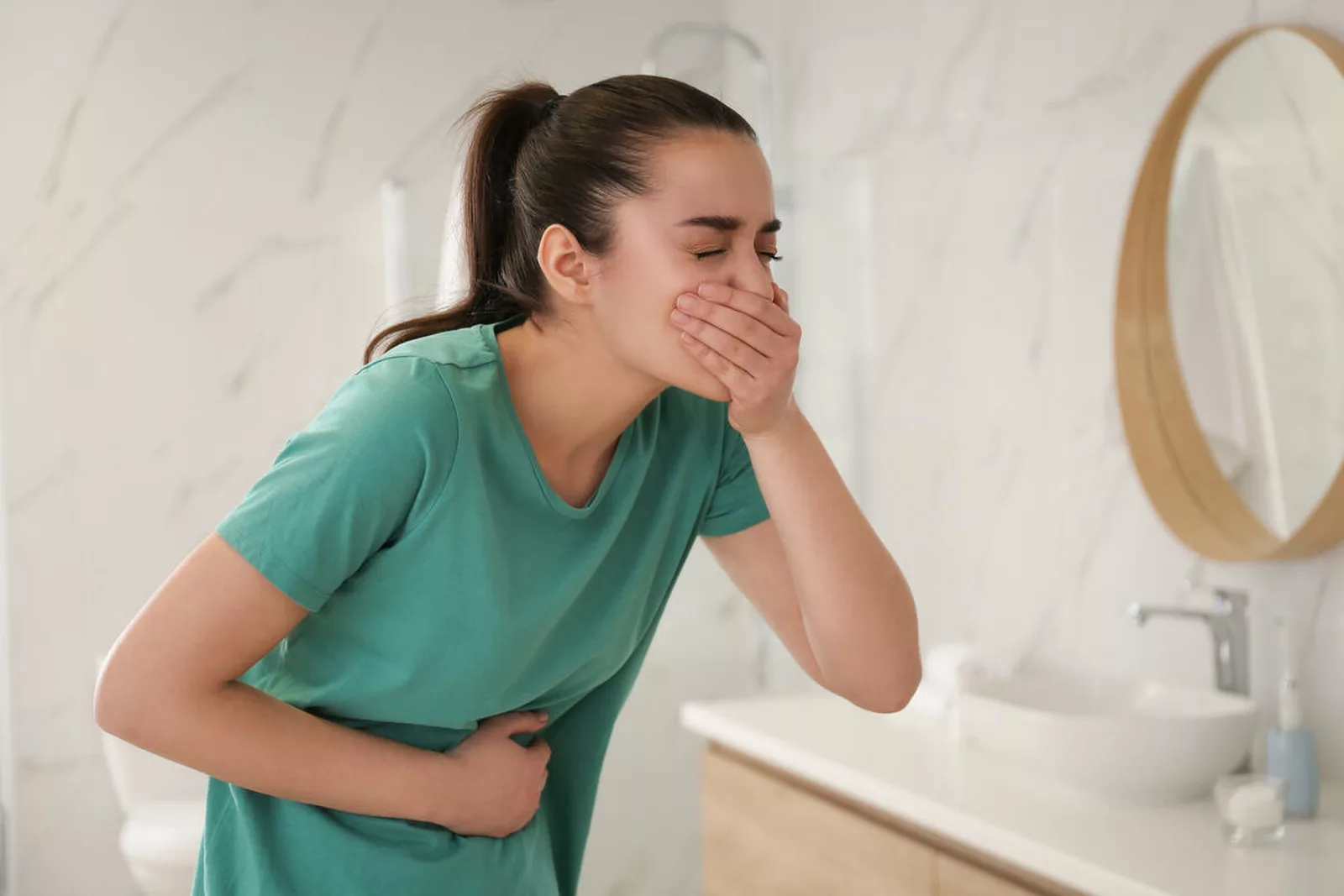
Norovirus can spread through direct contact, contaminated surfaces, food or water. Most people recover within two to three days, but vomiting and diarrhea can lead to dehydration, which poses a particular risk to young children and the elderly.
The infection is more easily transmitted when people stay indoors during colder months, though it can occur year-round. Symptoms alone do not necessarily mean norovirus is the cause. To protect others at home, take steps to limit spread and keep drinking fluids during illness.
Wash your hands thoroughly with soap and water for at least 20 seconds, especially after using the toilet or changing a diaper, and before eating or preparing food. The US Centers for Disease Control and Prevention warns that alcohol-based hand rub does not work well against norovirus. It may be used as an additional protective measure, but it is not a substitute for hand washing.
While symptoms are present, do not prepare food or care for others. Wait at least 48 hours after symptoms stop before doing so. The NHS also advises staying away from work or school until that period has passed. Norovirus can still be shed after recovery, so continue washing your hands carefully when you return to daily activities.
Clean and disinfect soiled surfaces and the area around the toilet using a product effective against norovirus, following the manufacturer's instructions. Handle soiled clothing and bedding carefully, wash them separately, and wash your hands afterwards. These steps reduce the chance of spreading the virus but cannot eliminate the risk entirely.
Drink fluids regularly. Contact a doctor if someone cannot keep fluids down, shows signs of dehydration, has severe or unusual symptoms, or does not improve. Children, the elderly and people with chronic illnesses should seek medical advice sooner. Sudden, severe abdominal pain or blood in vomit requires urgent medical evaluation.
Article prepared with the support of AI tools.