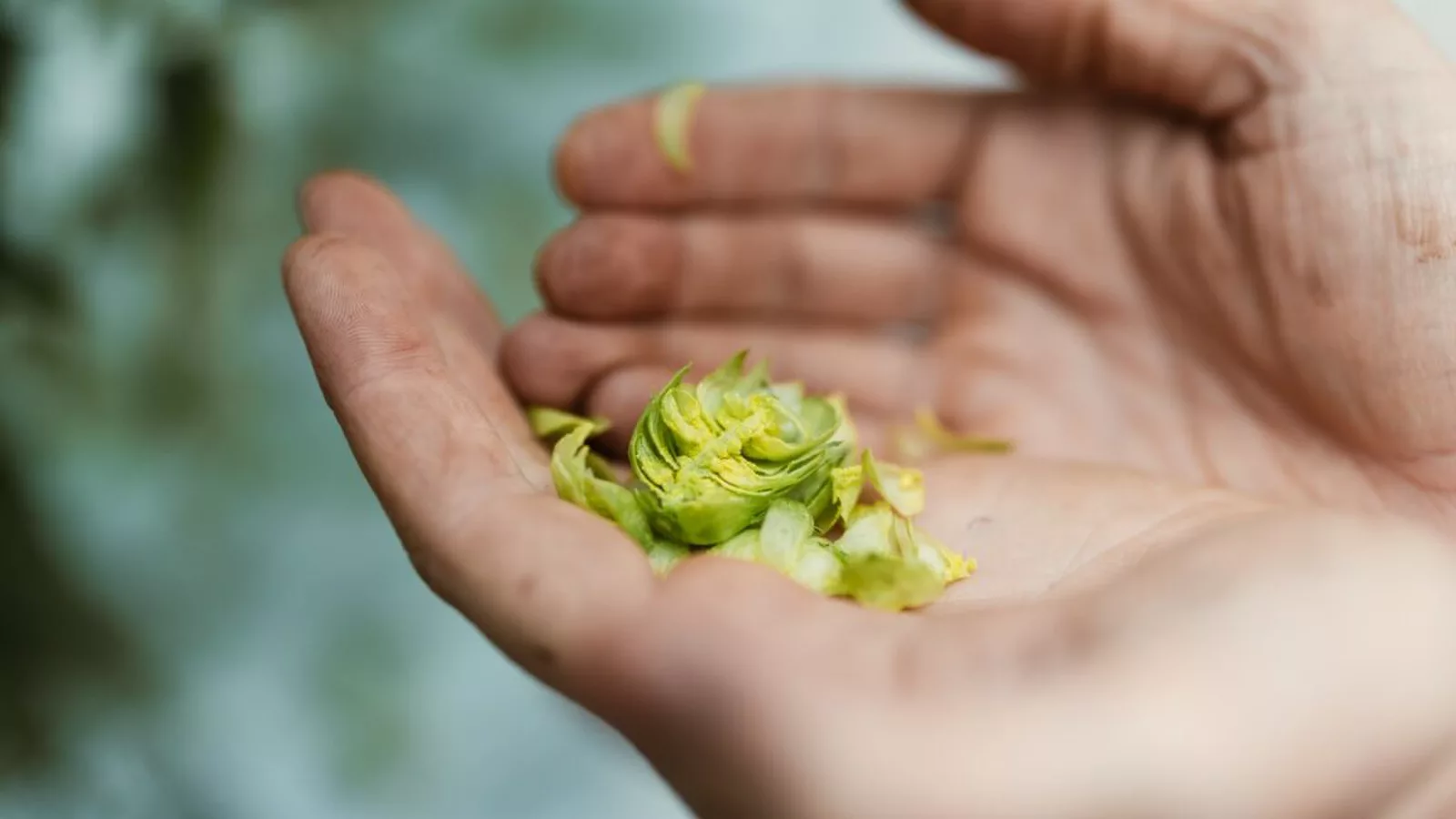
Brewers may be able to use smoke-tainted hops with little noticeable effect on beer by adding them during the wort boil, rather than dry-hopping, according to a new Oregon State University study. The researchers also found that dry-hopping with tainted hops increased smoky and other unwanted flavors, but blending them with untainted hops at less than 50 percent may help.
The study, published in the Journal of the American Society of Brewing Chemists, examined ways to use hops affected by smoke from the 2020 Oregon wildfires. The fires burned over 1 million acres, destroyed thousands of structures and killed 11 people. Smoke spread across the region, affecting wine production and hops grown for brewing. The Pacific Northwest produces more than 95 percent of US hops and about 40 percent of the global supply, making the potential economic impact significant.
The primary cause of smoke taint is volatile phenols (VP), produced when wildfire heat affects lignin in plant cells. Earlier this year, OSU researchers found that smoke exposure during hop drying increased VP uptake and altered aroma. Hops with higher levels developed meaty, smoky and artificial BBQ notes; medicinal flavors have also been reported. These aromas and flavors can overpower qualities such as citrus notes and aroma intensity.
For the latest study, OSU chemist Thomas Shellhammer and graduate student Cade Jobe harvested Cascade hops grown in Idaho. They smoked some of the hops in kilns using wood pellets injected into the air intake systems, then dried them. A separate batch of non-smoked hops was harvested and dried as a control.
The researchers brewed batches using blends containing 25, 50 or 75 percent smoke-tainted hops, as well as beer made entirely with tainted hops and beer made with none. They tested both dry-hopping and adding hops during wort boiling, measured VP concentrations using gas chromatography, and asked a panel of 24 blind tasters to evaluate the beers.
Dry-hopping with tainted hops raised VP concentrations, with higher concentrations as the share of tainted hops increased. Tasters also reported stronger smoky aromas and meaty, smoky, medicinal and artificial BBQ flavors.
When the tainted hops were added during the boil, tasters could not discern a difference from beer made without smoke-tainted hops, although VP concentrations still increased. The authors suggest that brewers dry-hopping with tainted hops keep them below 50 percent of the blend, allowing some affected hops to be used while reducing the economic impact of wildfires on beer production.
“Hop growers and brewers are looking for guidance on whether and how to use smoke-affected hops,” said Jobe. “This research begins to provide some practical information to help hop growers and brewers understand how smoky hops impact beer so that they can make the best decisions.”
The authors said further research is needed to confirm the precise ratios and replicate the initial findings. They also called for studies of hops exposed to smoke in field conditions, while plants are still metabolically active, and consumer research into whether beer drinkers find beers made with blended tainted and untainted hops acceptable. The findings may not apply to wine production, the authors said, because fermentation processes differ and grapes make up almost all wine’s raw materials, while hops are a smaller fraction of beer-brewing ingredients.
The research was published in the Journal of the American Society of Brewing Chemists in 2026. DOI: 10.1080/03610470.2026.2749166.