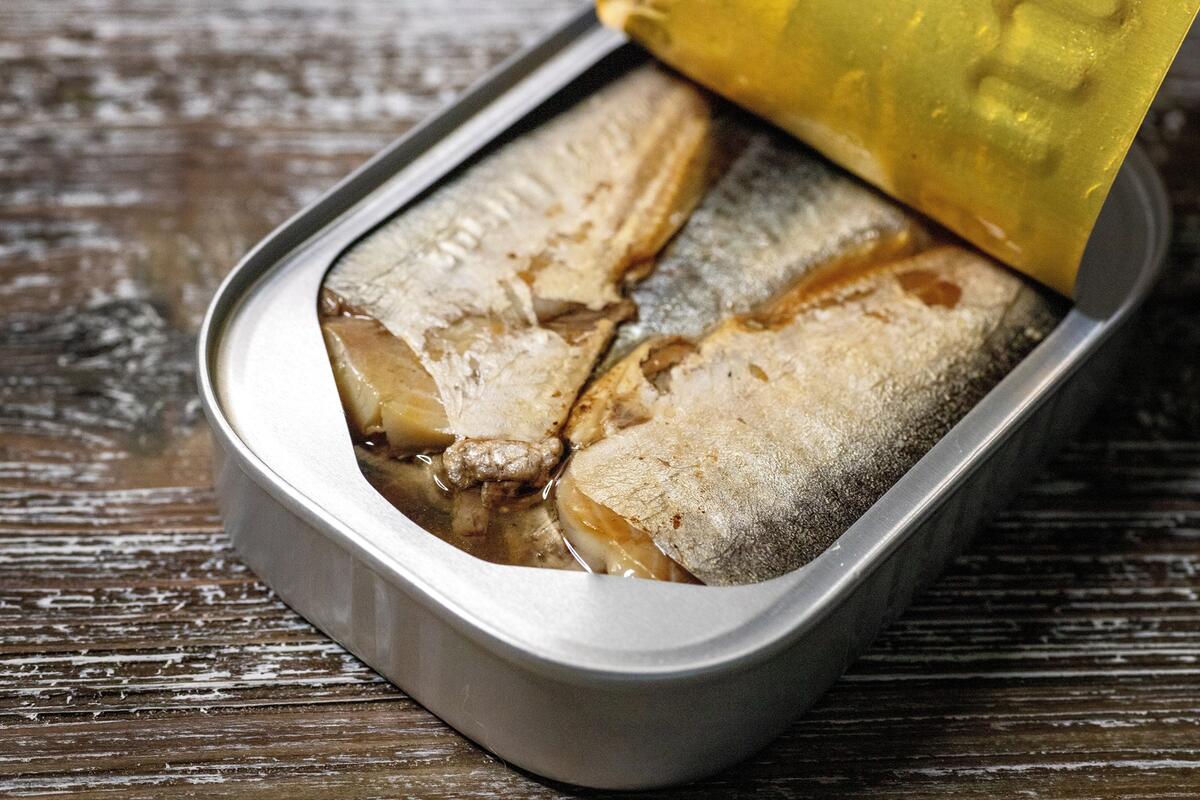
Canned sardines can make a quick, practical meal and provide protein and omega-3 fatty acids. When choosing a tin, check its salt content and any added oil, sauce or other ingredients, and consider how it fits into your overall diet.
Sardines are oily fish containing long-chain omega-3 fatty acids. The American Heart Association recommends two servings of fish a week, especially fatty varieties, as part of a balanced diet. Regular fish consumption has been linked to a lower risk of cardiovascular disease, but no single food can guarantee heart health.
The British NHS also recommends two portions of fish a week, including one portion of oily fish, and gives around 140 grams as a guideline for a portion. Sardines, mackerel, salmon and herring count as oily fish. Tuna does not count as oily fish under the NHS recommendations, so a tin of tuna is not equivalent to an oily-fish portion.
Salt levels vary among canned fish, so compare labels. The American Heart Association recommends choosing canned fish with less sodium. Check the toppings, such as oil or sauce, too, and choose an option that suits the meal and your taste.
For lunch, sardines can be served with a vegetable and potato salad, on wholemeal bread, or mixed into pasta with vegetables. A varied diet can include different kinds of fish and other protein sources.
Advice on fish choices and amounts differs during pregnancy, breastfeeding and when planning a pregnancy because of potential contaminants. The NHS, for example, advises a maximum of two portions of oily fish a week during pregnancy and sets specific restrictions for tuna. For guidance suited to your pregnancy, baby or existing health condition, talk to your doctor or a qualified nutritionist.
Article prepared with the support of AI tools.