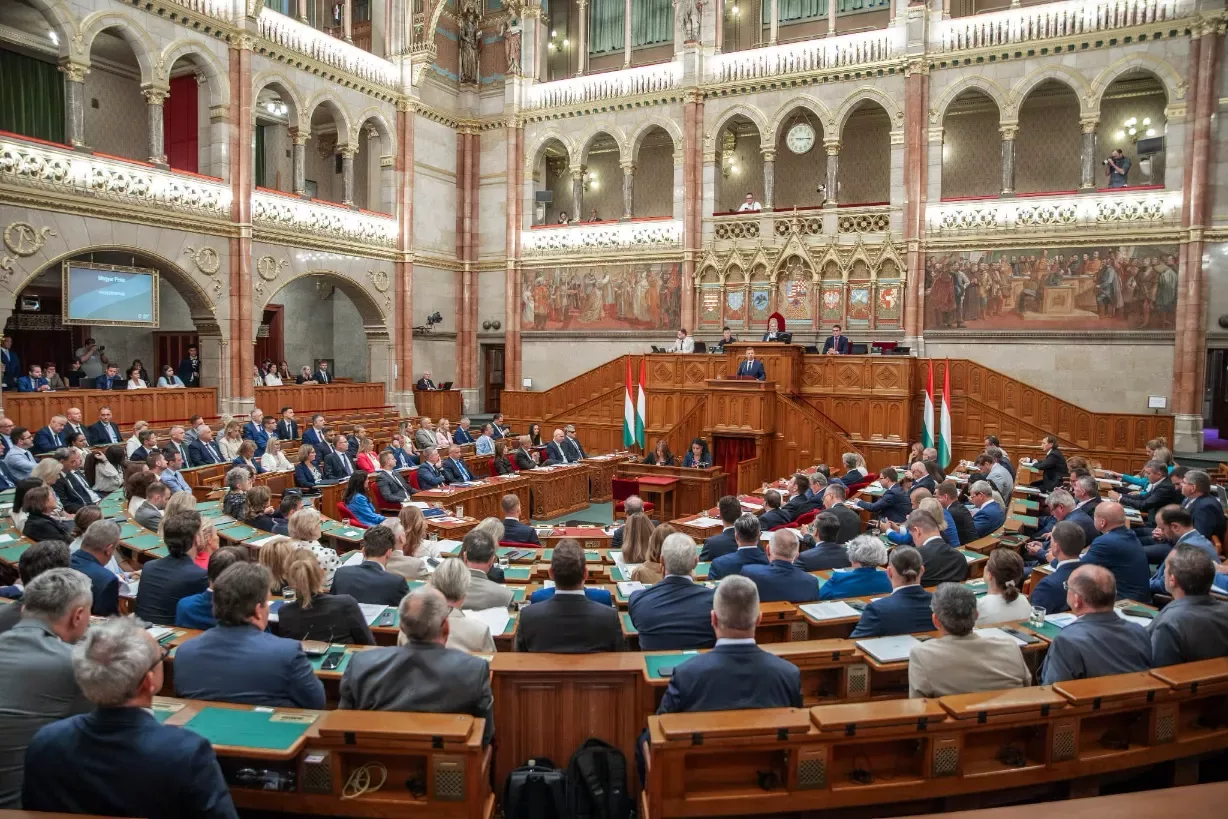
Hungary’s parliament has voted to phase out the price margin cap on food and drugstore products. The proposal passed on Tuesday, 24 November, with 135 votes in favour.
The government said the cap can be withdrawn because inflation in food and drugstore products has stabilised and the forint has strengthened against the euro, creating favourable conditions to end the restrictions.
Economic and Energy Minister István Kapitány welcomed the vote in a Facebook post, calling the cap a failed measure that had not made shopping cheaper. He said he hoped food prices would fall further after its removal and that shops would again be able to compete for customers.
The cap limited how much retailers could add to the purchase price of certain products. Its stated aim was to keep everyday shopping affordable, but its effects on Hungary’s retail market have been repeatedly debated.
As we reported earlier today, Kapitány said the economic conditions that originally justified the measure had changed. He cited October’s inflation rate of 2 per cent, an average annual decline of 4.7 per cent in food prices, and the forint’s strengthening since the beginning of the year.
According to Kapitány, the stronger currency could make imported goods cheaper to source, lowering retailers’ purchasing costs and easing pressure to raise prices.
Fidesz warned during the parliamentary debate that food prices could rise once the cap is removed. The actual effect on supermarket prices remains to be seen as retailers adjust their pricing.
This is great news for all retailers in Hungary with parent companies abroad, because they were punished with the price margin caps by the Orban administration. Hungary is back on track for rule of law.