Infineon Launches AURIX RC1, Its First RISC-V-Based Automotive Microcontroller Platform
By Google News Motors ·
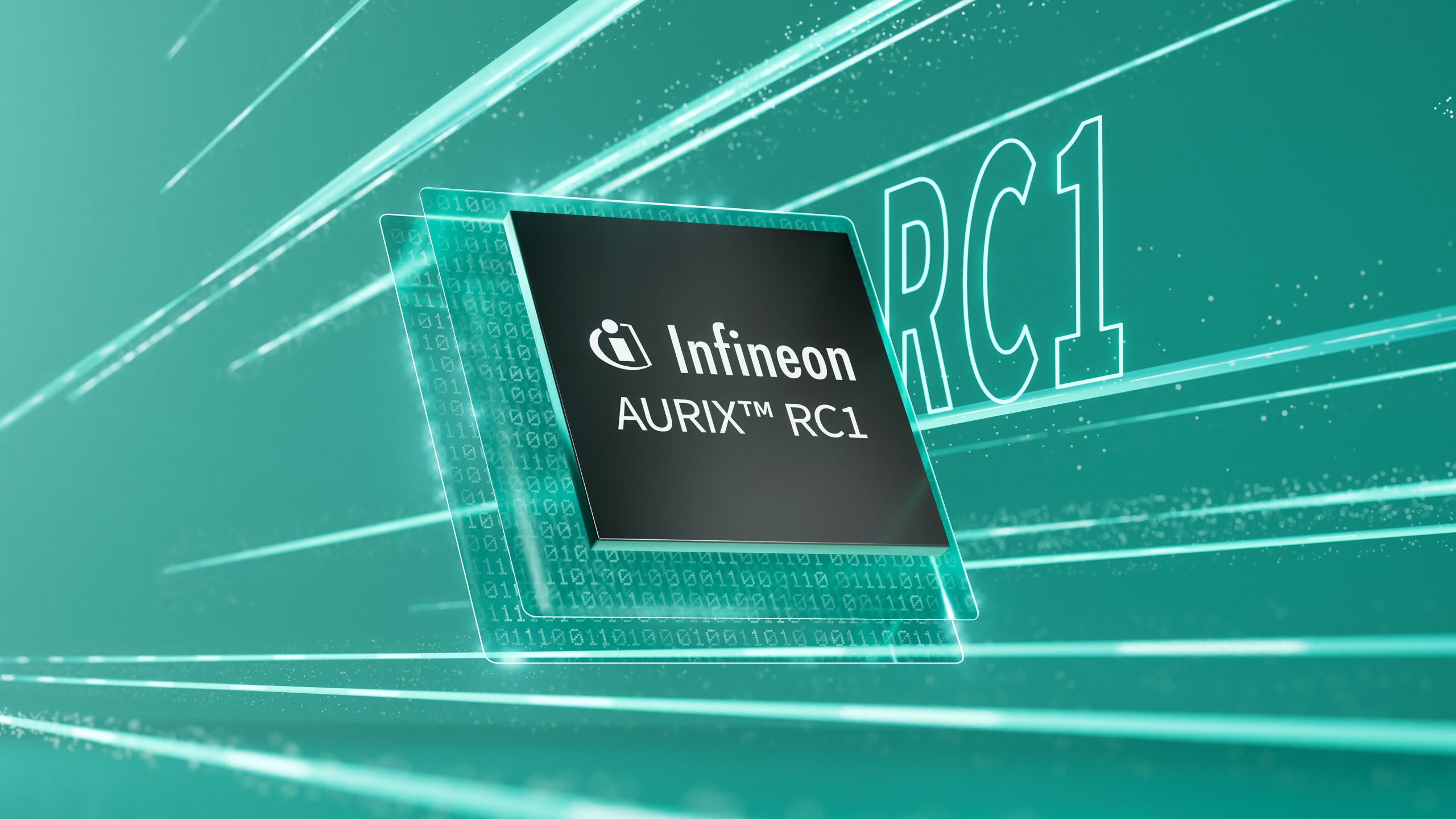
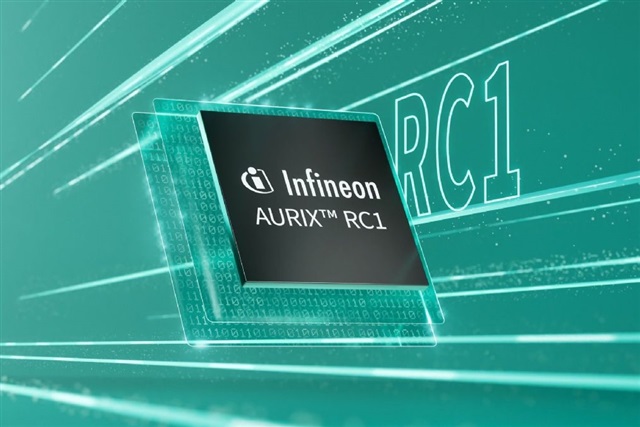
Infineon Technologies is expanding its microcontroller portfolio to support the development of software-defined vehicles (SDVs), other software-defined systems and Physical AI applications. The company has introduced AURIX RC1, a new microcontroller platform designed for real-time computing and control in automotive and other applications.
It is the first platform in Infineon’s AURIX family to use the open-standard RISC-V instruction set architecture. The platform will offer products ranging from traditional microcontrollers to advanced devices that combine microcontroller and microprocessor capabilities.
These solutions are designed to deliver efficient computing while supporting safety and cybersecurity requirements in next-generation vehicles and intelligent systems. Infineon will present the AURIX RC1 family concept at electronica 2026 in Munich, taking place from 10 to 13 November. The company plans to provide samples in the first half of 2027.
“Delivering vehicles and other physical systems that become smarter, safer and more efficient over time through new software fundamentally changes the requirements for the computing hardware,” said Peter Schiefer, President of the Automotive Division at Infineon. “Microcontrollers need to become more configurable, scalable, and adaptable while maintaining highest safety and security levels as applications evolve.
AURIX RC1 combines the flexibility of the open standard RISC-V with decades of Infineon expertise in providing dependable execution of safety-critical tasks in real time. Our ambition is to redefine real-time compute and control for software-defined vehicles and extend this to Physical AI.”
In software-defined vehicles (SDVs), many functions that were previously managed by separate electronic control units (ECUs) are increasingly being brought together in central vehicle computers and zone controllers. AURIX RC1 aims to simplify the development of these systems by providing engineers with a common microcontroller platform instead of requiring different solutions for each vehicle function.
The new platform combines key capabilities of Infineon’s existing AURIX and TRAVEO T2G microcontroller families into a single product generation. It is designed to support a wide range of automotive applications, including zone and body control, chassis systems, battery management, powertrains, driver assistance safety systems and vehicle cockpits.
This common platform also provides scope for integrating functions across different vehicle domains.
The modular nature of RISC-V allows Infineon to optimize individual lineups of the AURIX RC1 family for specific applications while simultaneously leveraging the advantages of a common foundation across the entire family. Processing resources can be tailored to the specific needs of each application.
Combined with application-specific power management capabilities, this helps to balance performance requirements and energy consumption. At the same time, software, tools, and expertise developed for one domain can be reused and scaled across others, helping shorten development cycles and accelerate innovation.
Depending on the application, AURIX RC1 will integrate up to 12 32-bit processing cores, an advanced parallel processing unit for edge AI and up to 40 megabytes of embedded memory. Furthermore, Infineon is planning to introduce a product lineup within the AURIX RC1 family that extends the traditional microcontroller domain with additional 64-bit…
Originally published by Google News Motors