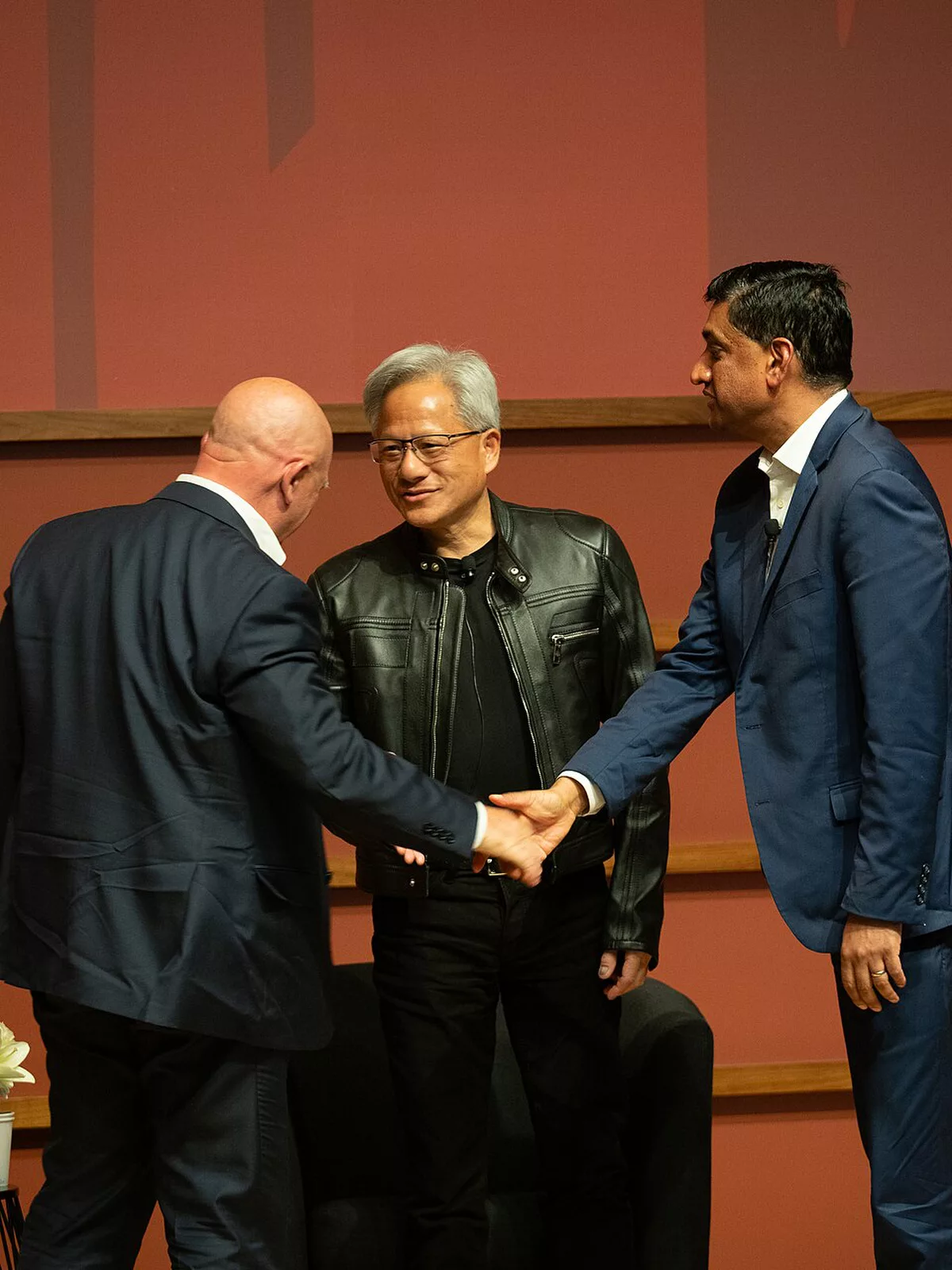
Jensen Huang’s return as Nvidia CEO was welcomed by investors, and by Donald Trump. But research on “boomerang bosses” — executives who return after stepping down — suggests their records are mixed.
Several prominent leaders have returned to companies with good results, including Michael Dell at Dell computers, Steve Jobs at Apple and Sam Altman at OpenAI. In other cases, a returning CEO has harmed a firm’s performance. Huang’s return raises the question of which pattern Nvidia will follow.
Huang, Nvidia’s co-founder and CEO, was central to the company’s extraordinary success. But Nvidia also faced a key-person risk: its heavy reliance on one leader whose absence could severely disrupt the business.
That vulnerability came into focus after it was revealed in late October that Huang had had an extra-marital affair with an executive with alleged links to Chinese government secret services. A few days later, after another affair with an employee came to light, followed swiftly by claims about another, Huang stepped down.
Nvidia’s share price plunged, triggering broader falls in technology-focused markets around the world. Huang’s affairs became an issue of global economic stability and geopolitical importance, amid debate over how his departure might affect America’s narrow lead over China in the AI race.
Markets have reacted positively to the Nvidia board’s announcement that Huang will return as CEO. The share price has risen sharply, helping lift other companies in the sector. Research, however, offers a more qualified view of returning executives’ performance.
One study of more than 6,000 CEOs found that boomerang bosses tended to perform significantly worse than others, often because they fell back on an old strategic playbook after the world had moved on. But the study included many founders who returned years after leaving. Huang was out of Nvidia for only 11 days, so his strategic playbook is likely to be as current as ever.
A more recent working paper on CEOs who had been away for only a short time found improved operating performance, investment and growth at the firms they returned to. Other research suggests boomerang CEOs receive slightly higher performance evaluations than other new hires, largely because they understand an organisation’s hidden social structure and how to navigate it. Another study found they performed about as well as other managers on average, but were more likely to leave.
Returning leaders also appear in politics and sport. Winston Churchill, Silvio Berlusconi and Donald Trump are among politicians who returned to leadership, a persistent but relatively minor feature of many political systems. In Premier League football, one analysis of 11 coaches who returned found that only three improved their results.
Huang’s return may not bring immediate performance concerns: his strategic knowledge and networks remain valuable. Longer-term questions concern reputation and governance at the world’s most important chip-maker. Addressing them may require changes to the company’s structure and oversight practices, something Huang may or may not choose to pursue.
Andre Spicer does not work for, consult, own shares in or receive funding from any company or organisation that would benefit from this article, and has disclosed no relevant affiliations beyond their academic appointment.