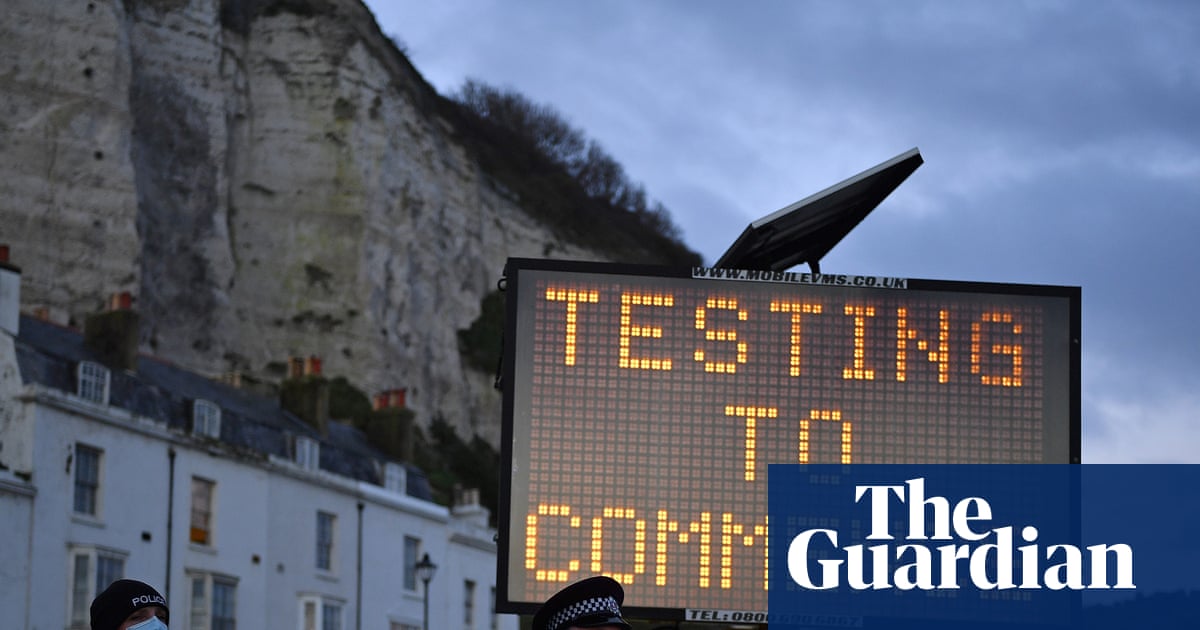
The UK was left in an “extremely vulnerable position” at the start of the Covid-19 pandemic because it lacked international border controls, the Covid-19 inquiry has concluded. Its latest report also says delays in establishing an effective test-and-trace system allowed the virus to spread “with deadly speed across the country, virtually unchecked”.
Inquiry chair Heather Hallett said the UK was “woefully ill-prepared” to implement nationwide test, trace and isolate systems, leaving decision-makers “effectively blind” to the scale of the virus. The report says that despite years of public health emergencies and preparedness exercises, a system had to be built “virtually from scratch” during the fast-moving emergency.
More than £25bn was spent on England’s NHS test-and-trace system. Hallett said it came too late and at a huge cost.
The report also criticises the UK’s border measures. By April 2020, 93% of countries had introduced measures such as flight suspensions, border controls and travel restrictions. The UK government was asking travellers from high-risk areas, including Wuhan in China, to self-isolate, but the policy did not stop a coach of tourists from Wuhan entering England and travelling to Scotland, Northern Ireland and the Republic of Ireland in February 2020. No further restrictions were introduced until June, the report says.
Hallett said the decision to allow “virtually unrestricted international travel in the first six months of 2020” came when the UK had no mass testing or widespread contact tracing and healthcare resources were stretched thin. The report says 18 February 2020, when the UK had nine confirmed Covid-19 cases, would have been the ideal time to impose travel restrictions, with domestic infection levels low and rates higher elsewhere.
The 240-page report on test, trace and isolate is the seventh of 10 reports due from the Covid-19 inquiry. It draws on evidence from 41 witnesses at public hearings in May, 200 written statements and more than 23,000 documents. The inquiry’s costs have risen to more than £200m.
Recommendations include creating a UK-wide digital contact-tracing tool, improving plans to deliver manual contact tracing at scale, and providing financial support for people to self-isolate. Hallett said an improved system would be “fundamental to saving lives and reducing suffering” during the next deadly virus.
Alan McNally, a professor of microbial genomics at the University of Birmingham, told the inquiry that if another pandemic came in the near future, “in terms of delivering tests, we’ll be exactly where we were at the start of 2020”.