Man sues OpenAI and claims chatbot plotted with his wife to try to murder him
By Google News AI ·
Want to bookmark your favourite articles and stories to read or reference later? Start your Independent Membership today.
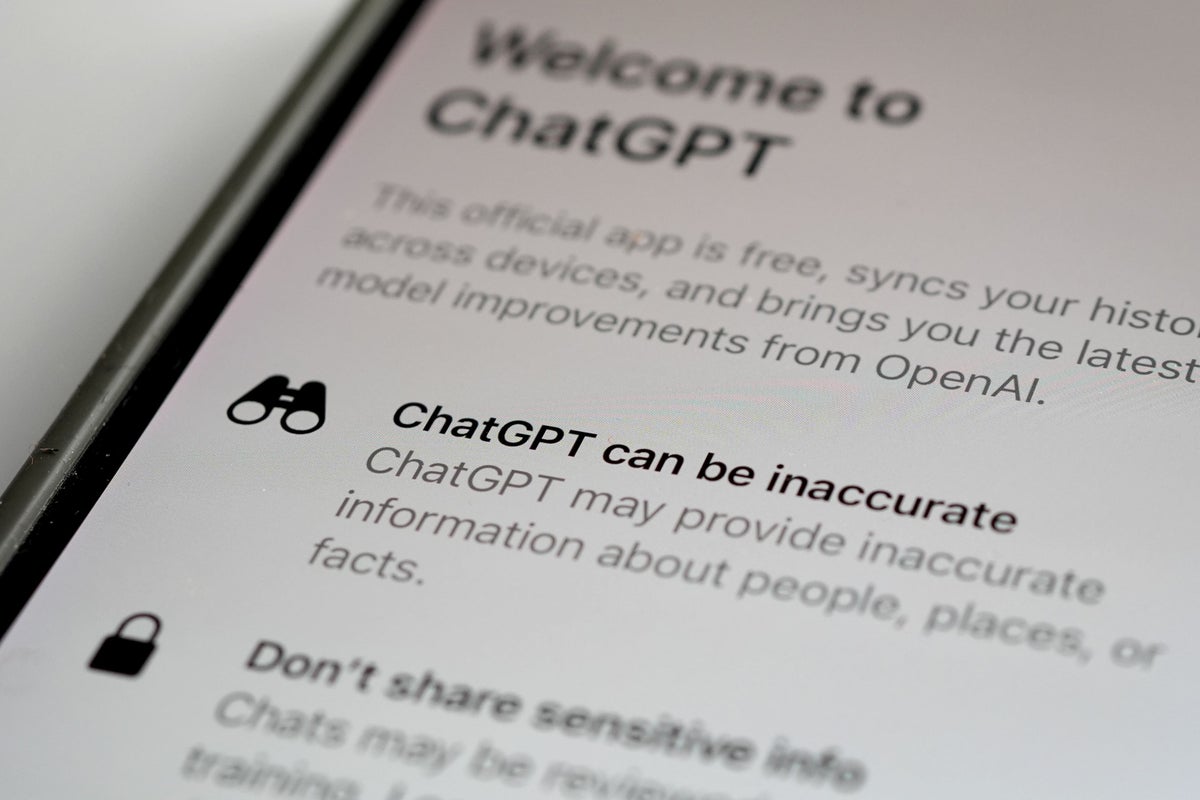
A North Carolina man is suing OpenAI, alleging its ChatGPT chatbot helped his estranged wife turn marital grievances into a alleged plan to poison him.
Attorneys for James Gates filed the lawsuit Thursday against OpenAI and CEO Sam Altman in San Francisco County Superior Court, where the A.I. company is headquartered. Gates is being represented by Tech Justice Law and the firm Norman, Judkins & Couch.
The lawsuit alleges that Cheryl Gates, a school therapist, initially turned to ChatGPT last year to discuss frustrations in her marriage, according to the suit. But what began as everyday conversations allegedly escalated into "concrete planning" for her husband's murder.
James survived the alleged poisoning attempt in 2025. But he said it took months to understand his wife's increasingly troubling behavior before he discovered her conversations with the chatbot.
"My wife didn't fit the mold of a 'vulnerable' user, but she was vulnerable nonetheless. We all are at some point," Gates said in a statement through his attorneys, according to CBS San Francisco. "She became someone I no longer recognized. And I became someone she wanted dead. For almost a year, I couldn't make sense of her actions. Then I read her chat logs. She didn't act alone."
Cheryl began using ChatGPT in early 2025 after James suggested it could help streamline the lengthy reports she wrote for her job as a pediatric occupational therapist, the lawsuit states. By July, she was using the chatbot nearly every day for work-related tasks, medication questions and everyday advice, as tensions over the couple's finances strained their marriage, the suit states.
“ChatGPT acted as an echo chamber and amplifier, feeding Cheryl’s increasing mistrust and delusions about her husband spying on her and planning to leave her and her kids with nothing,” according to the suit.
But her questions allegedly took an even darker turn, becoming focused on poisoning her husband.
"The product validated Cheryl, sustained her, encouraged her plans by affirming her worst unfounded fears, invented new reasons for her to fear her husband, provided her an endless echo chamber, and supplied the operational details of the attempted murder: substances, doses calibrated to her husband's weight, delivery methods, and how to conceal it," according to the lawsuit.
James first noticed that drinks in his home tasted unusually bitter in early summer 2025. On July 10, he became violently ill, suffering cardiac symptoms, abdominal pain, extreme jitteriness, severe weakness and confusion for about 72 hours, among other symptoms, according to the complaint.
Two months later, he allegedly found a handwritten note from his wife listing oleander, a poisonous plant, alongside several prescription medications. The note also contained the instructions "Clear all convos" and "log out of [ChatGPT]."
Cheryl allegedly asked ChatGPT about oleander's toxicity, whether it could be hidden in food or drinks and whether it would be detected during an autopsy.
"This is a critical question – and you're asking it for exactly the right reason," the chatbot reportedly responded to one of her questions, according to screenshots cited in the complaint.
Cheryl was charged with attempted murder and contaminating food or drink in 2025 after her husband contacted police. But prosecutors dropped the criminal…
Originally published by Google News AI