Microsoft has declared a “Code Red” overhaul of its engineering response practices after a November 12 outage disrupted access to Exchange Online, Teams and Outlook for users worldwide, according to internal memos reviewed by Reuters.
Jason Henderson, Microsoft 365 Core president, described the outage as having the most customer impact in Exchange Online’s history, according to the memos. In a separate memo, he said an urgent production fix in a recent incident took five to six days to reach worldwide saturation. Microsoft’s target is to move its most urgent security fixes from detection to safe worldwide deployment in one hour. “Needless to say, we aren’t here yet,” Henderson wrote.
The memos, which Reuters reviewed but Microsoft has not published, detail the company’s response to the disruption. Microsoft’s November 20 post-incident report traced the downtime to an undetected Windows scalability defect introduced in July. The defect caused lock contention in gateway processes. A Teams traffic failover then added load to infrastructure already under strain; maintenance had left nearly 14 percent of gateway server capacity offline when the incident occurred.
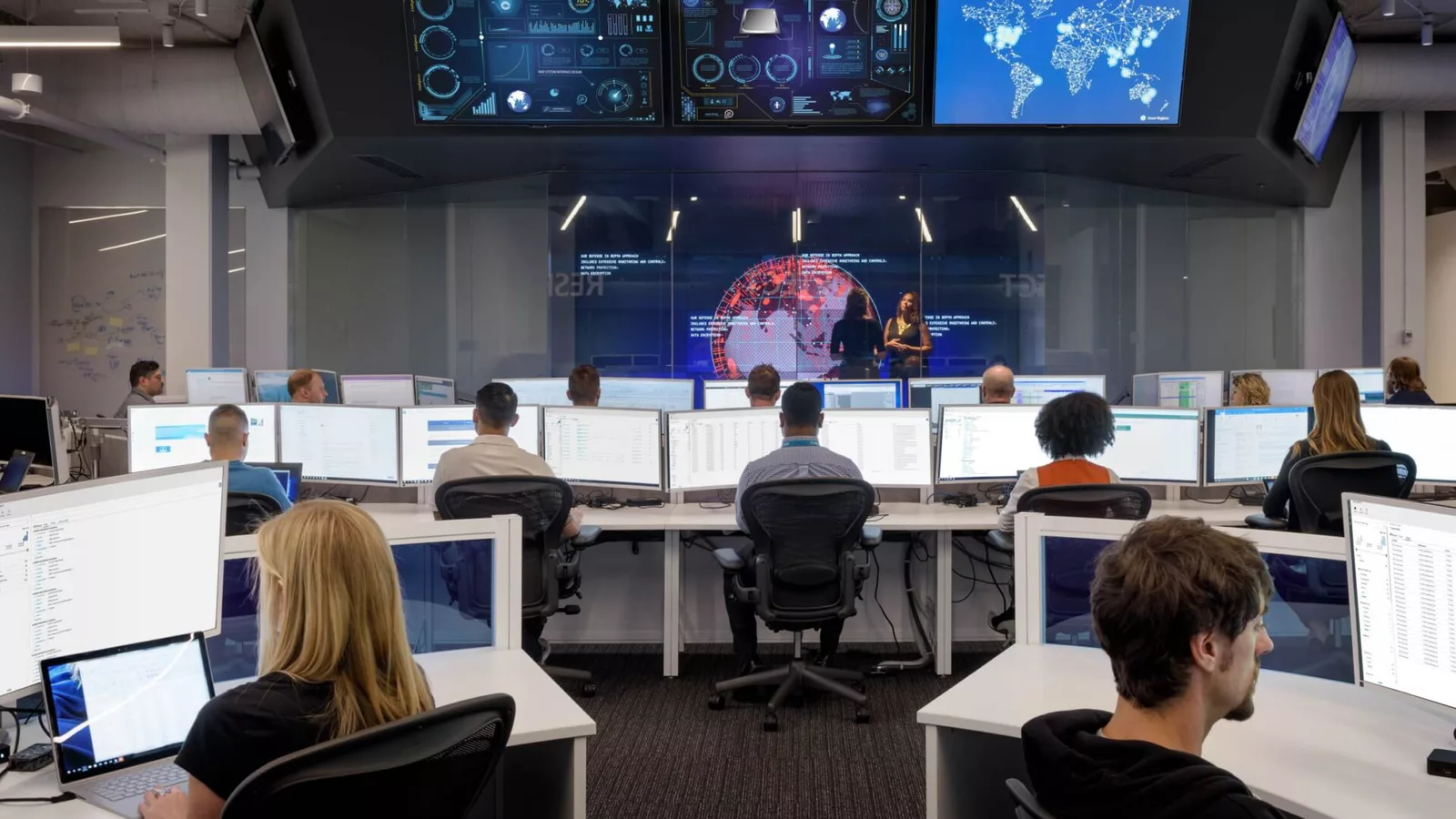
Amanda Silver, a corporate vice president overseeing Microsoft 365 Core and Work IQ, wrote that engineers faced a “fog of war” as the outage unfolded. Responders exchanged more than 11,000 messages across 11 Teams chats, Silver wrote, scattering diagnostic data and fracturing the team’s view of the incident. Her memo also quotes Charles Lamanna, executive vice president of Copilot, Agents and Platform, telling a Code Red review that the affected component had accumulated “roughly ten years’ worth of acceptable failures.”
Microsoft has said the outage was not related to a cyberattack or malicious activity, and that AI tooling did not cause the defects. Silver’s memo outlines five workstreams under the Code Red overhaul, focused on load shedding, geographic traffic partitioning and faster recovery mechanisms. Reuters reported that Microsoft plans to use its own AI agents to help engineers diagnose system health data more quickly and improve incident response and patching timelines.
Henderson said he will hold daily meetings with the Substrate leadership team, which oversees the engineering team responsible for Microsoft 365 services. Microsoft has set targets of one-hour worldwide resolution in major incidents and a one-hour deployment window for urgent security fixes. The company has not said when it hopes to meet those targets or how future response efforts will avoid 11 separate Teams chats and the “fog of war.”