Mois Navon: On Mobileye’s Success, AI Ethics, and the $15.3 Billion Intel Deal - UA.NEWS
By Google News Motors ·
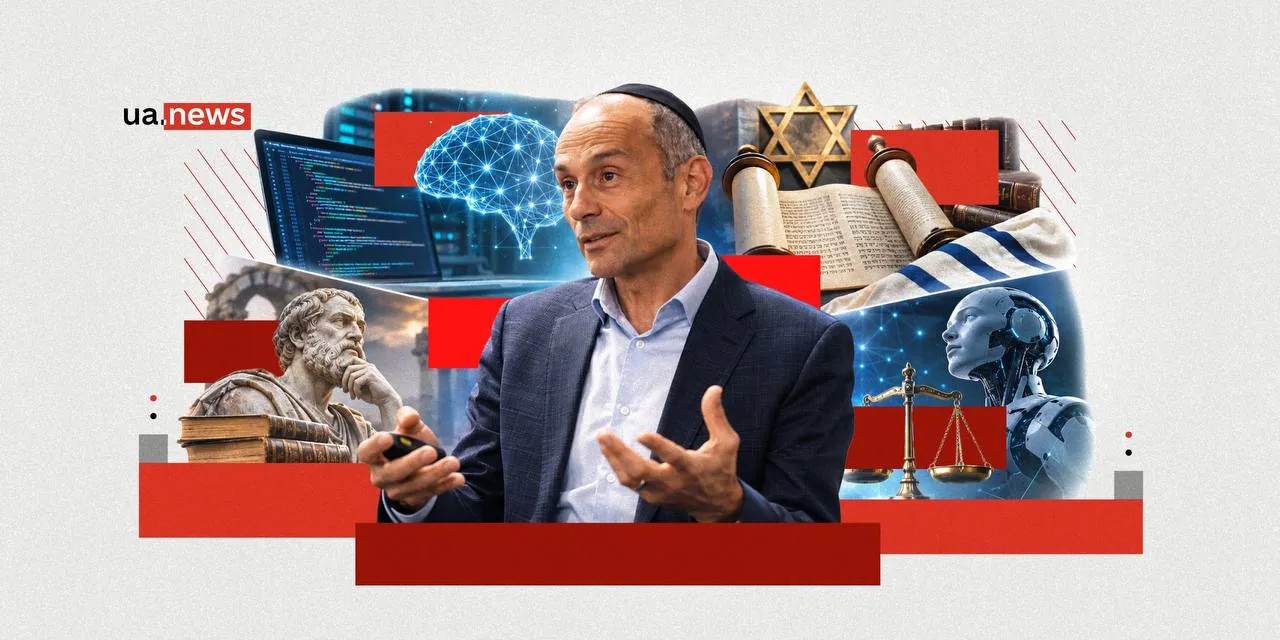
Mois Navon is not someone whose identity can be summed up with a single job title. He is a computer engineer and one of the people who helped build Mobileye, the company that taught cars to “see” the road. He is also a rabbi, philosopher, researcher — and seemingly several other people rolled into one. He speaks with equal enthusiasm about microchip architecture, the human brain, artificial intelligence, religion, and the meaning of life. Even when explaining complex engineering concepts, he makes them so engaging that you want to listen, even if the last time you dealt with physics was back in school.
Mois Navon’s professional journey is hardly a conventional career story. It is more like a permanent state of being “in search of something.” From California and university laboratories to Israel, from engineering developments to technology that changed the automotive industry — and throughout it all, he has continued searching for answers to questions that cannot always be solved with formulas and computers. Mois Navon finds them.
A UA.News journalist had the opportunity to speak with Mois Navon in the very heart of Jerusalem. What is striking is the enthusiasm with which he talks about technology, like someone who is still genuinely amazed by what he has managed to create. He is not afraid to make fun of himself and has a rare talent for explaining complicated things so simply that they make you think about much bigger and more serious questions.
What follows is the first-person account of a man who taught cars to see the world — and who himself is accustomed to looking at it a little more broadly than those around him.
Yes, I was the one who developed the chip now installed in cars all over the world. It powers Advanced Driver Assistance Systems (ADAS) in more…
Originally published by Google News Motors