Motorola is quietly building apps and features that make Pixel and Samsung phones feel behind the times
By Google News Technology ·

I haven't thought much about Motorola since I dropped my Razr V3 several years back. After Android took over, a Google Pixel or a Samsung was always the easy pick for me.
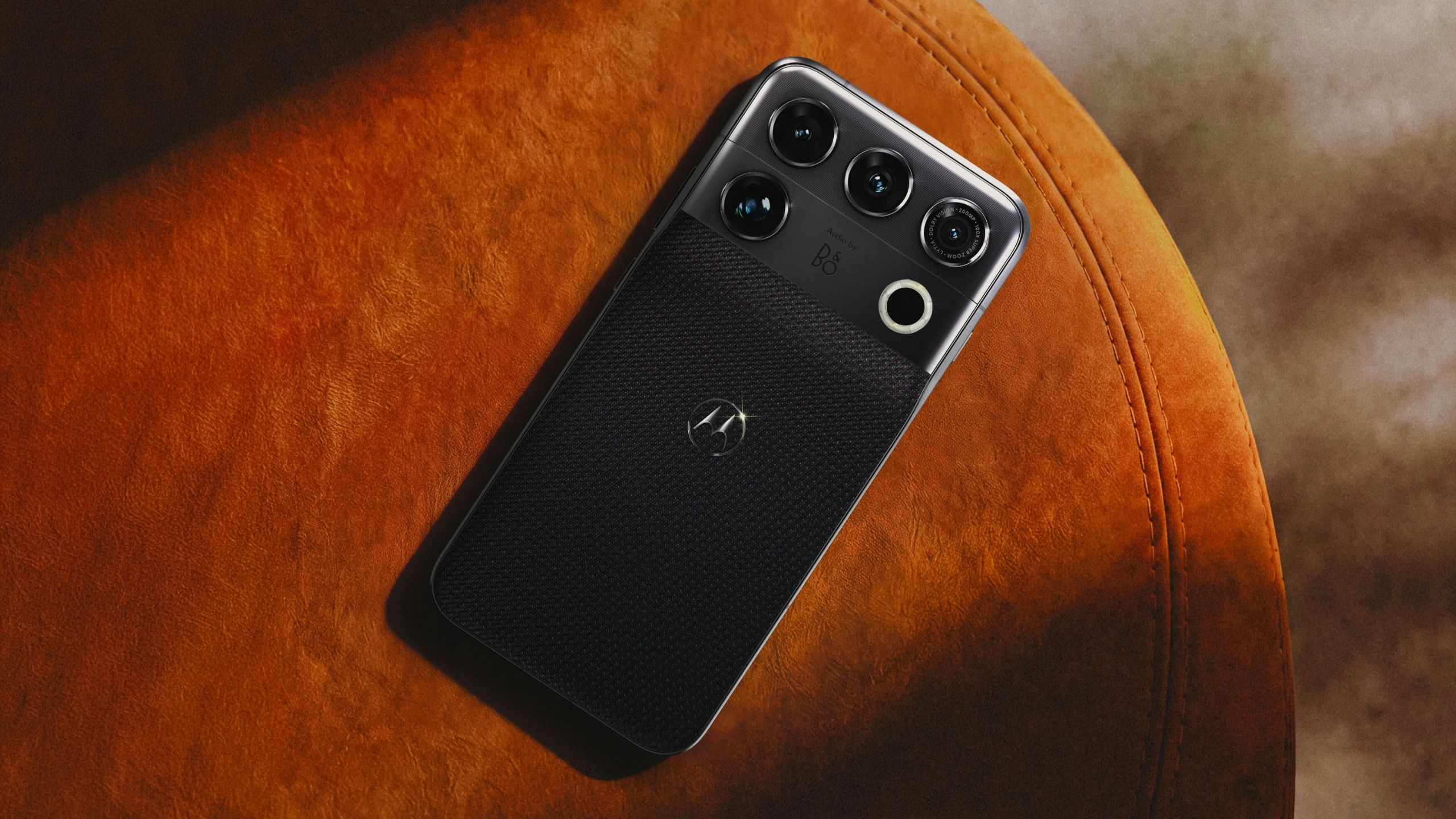
That changed when I went through the spec sheet for Motorola's Signature flagship. The Signature 27 is due in November 2026 with features I didn't know I wanted.
So I dug through Motorola's announcement to see what it's promising and where Google and Samsung have an answer.
Google built its Tensor chips around on-device AI features and accepted slower raw performance to get there. The Signature 27 doesn't make the same trade.
Motorola uses the Snapdragon 8 Elite Extreme Gen 6, one of two 2nm chips Qualcomm announced at Snapdragon Summit in September 2026. Its two fastest cores run at up to 5.01GHz, while the Tensor G6 in the Pixel 11 Pro tops out at 4.11GHz.
Qualcomm says the Extreme chip has 13% faster CPU performance and a 44% faster GPU than the Snapdragon 8 Elite Gen 5. That's the chip in the Galaxy S26 Ultra, which means Samsung's best phone uses an older chip until the next Galaxy launches.
Motorola also fitted six antennas, which it says double download speeds and help with cloud AI features.
The chip also helps with privacy, since its security features are a big reason GrapheneOS picked the Signature 27 as its first non-Pixel phone. Until now, GrapheneOS only officially supported Pixels.
Seven years of OS upgrades only keep Motorola level with Google and Samsung, which promise the same. What makes the promise believable this time is how early Motorola moved on Android 17.
It opened an Android 17 beta in February 2026 and started the stable rollout in August with the original Signature.
More than 50 Motorola phones are on the list, which is a big change for a brand I remember as slow with updates. It's the first Motorola flagship I'd expect to last as long as my Pixel.
A fast chip only stays fast while it's cool, because phone chips throttle when heat builds up. Most mainstream flagships handle this with a vapor chamber and stop there.
Gaming phones go further, and the Infinix GT 50 Pro even runs a liquid-cooling loop. The Signature 27 takes a middle route between the two.
Motorola's ArcticMesh system stacks diamond-infused thermal gel, liquid metal, and copper mesh with a redesigned 3D vapor chamber. Motorola says that the vapor chamber is 40% larger than the one in the original Signature.
It aims to maintain steady performance during gaming, AI tasks, and long video recordings. I'm still cautious, though, because a phone this thin can only dissipate so much heat.
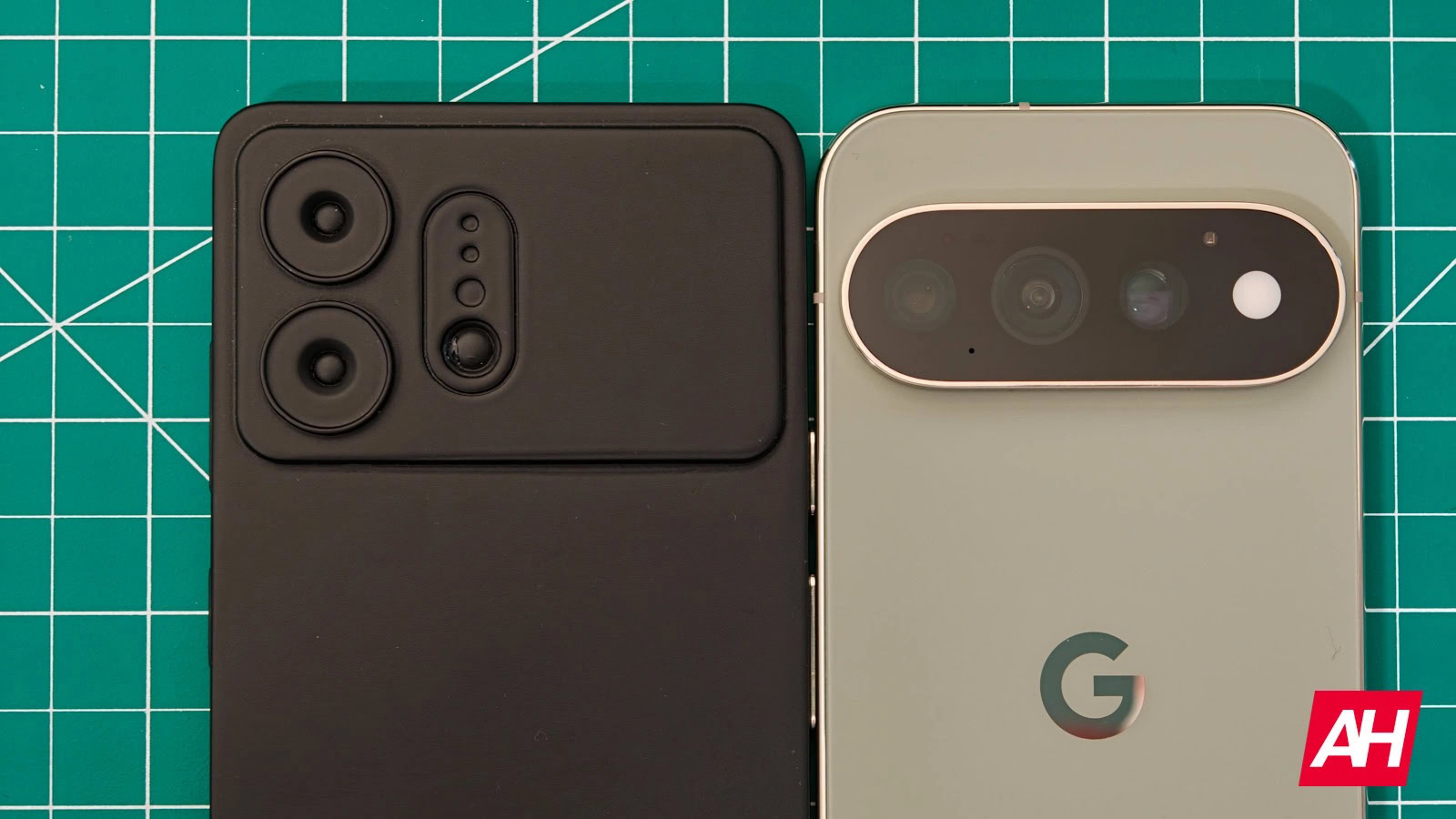
Samsung puts a 200MP sensor on the Galaxy S26 Ultra's main camera. Motorola puts its 200MP sensor on the periscope telephoto, next to a 50MP Sony LYTIA 910 main camera.
Vivo and Xiaomi have shipped 200MP periscopes since 2024, so this isn't new to Android. However, Google and Samsung don't offer it on their flagships right now.
Super Zoom Pro pushes the range to 100x with generative AI. The Pixel 11 Pro reaches 120x, but its telephoto is 48MP, so it has fewer pixels to crop before AI fills in detail.
Motorola's zoom history makes me skeptical, so I want to see 30x samples before I give the 200MP sensor credit.
I'm more interested in video, since that's where Pixel has built its reputation. Motorola's Video Enhancement Engine analyzes the scene before and during recording, then adjusts color tones in real time.
Motorola pairs it with 3.5-degree OIS hardware and Qualcomm's image…
Originally published by Google News Technology