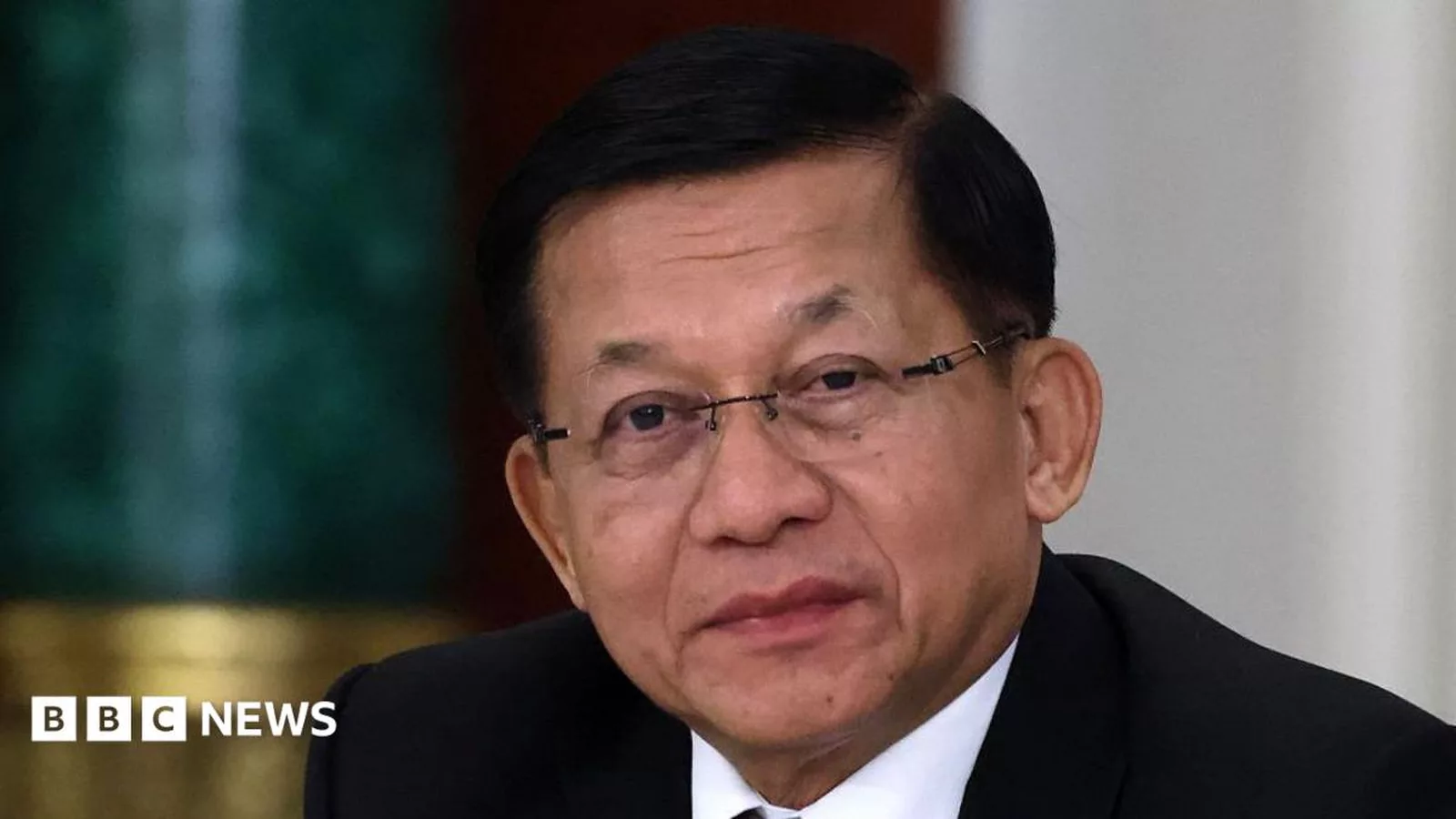
Myanmar will not comply with parts of the International Court of Justice’s genocide ruling that it considers “inappropriate”, leader Min Aung Hlaing said in his first public comments since the decision.
The ICJ ruled last week that Myanmar committed genocide against the Rohingya minority during a 2017 military crackdown. Thousands were killed and more than 700,000 people fled. Myanmar denied committing genocide, saying its forces had responded to attacks by armed groups. It is the first state to have been found in violation of the 1948 Genocide Convention.
State media reported that Min Aung Hlaing said the term “genocide” had seriously affected the country’s reputation. At a meeting on Wednesday, he said: “Myanmar would take actions appropriate for a responsible country but would not comply with requirements it considered inappropriate.” The statement did not specify which parts of the ruling Myanmar objects to.
The case was brought by The Gambia in 2019 and focused on so-called “clearance operations” launched in 2017 in Rakhine State, where many Rohingya Muslims lived. The ICJ determined that about 10,000 Rohingya were violently killed during the operation. More than 700,000 are thought to have fled to Bangladesh by foot or by sea, and the court found that approximately 815,000 had been targeted in some way.
The verdict was reached by a nine-to-six majority among the panel of judges. The court also found, by a majority, that Myanmar had violated several other parts of the 1948 Genocide Convention. It ordered the country to pay proportionate reparations, with the exact amount to be determined later, and to stop ongoing violations and immediately investigate those suspected of breaking the Convention.
The ICJ cannot enforce its demands and relies on the UN Security Council and political pressure to make its rulings stick. The ruling was largely symbolic, but was welcomed by Rohingya communities and human rights groups who have long called attention to their suffering.
More than a dozen countries have acknowledged the ruling, and the UK has announced sanctions on several senior Myanmar military leaders.
Myanmar has been devastated by civil war since Min Aung Hlaing led the 2021 military coup that ousted civilian leader Aung San Suu Kyi. The coup turned the country into an international pariah, and its military regime has faced sweeping international sanctions. Min Aung Hlaing has since sought to reintegrate Myanmar into the international community, but it remains largely shut out of key diplomatic arenas.