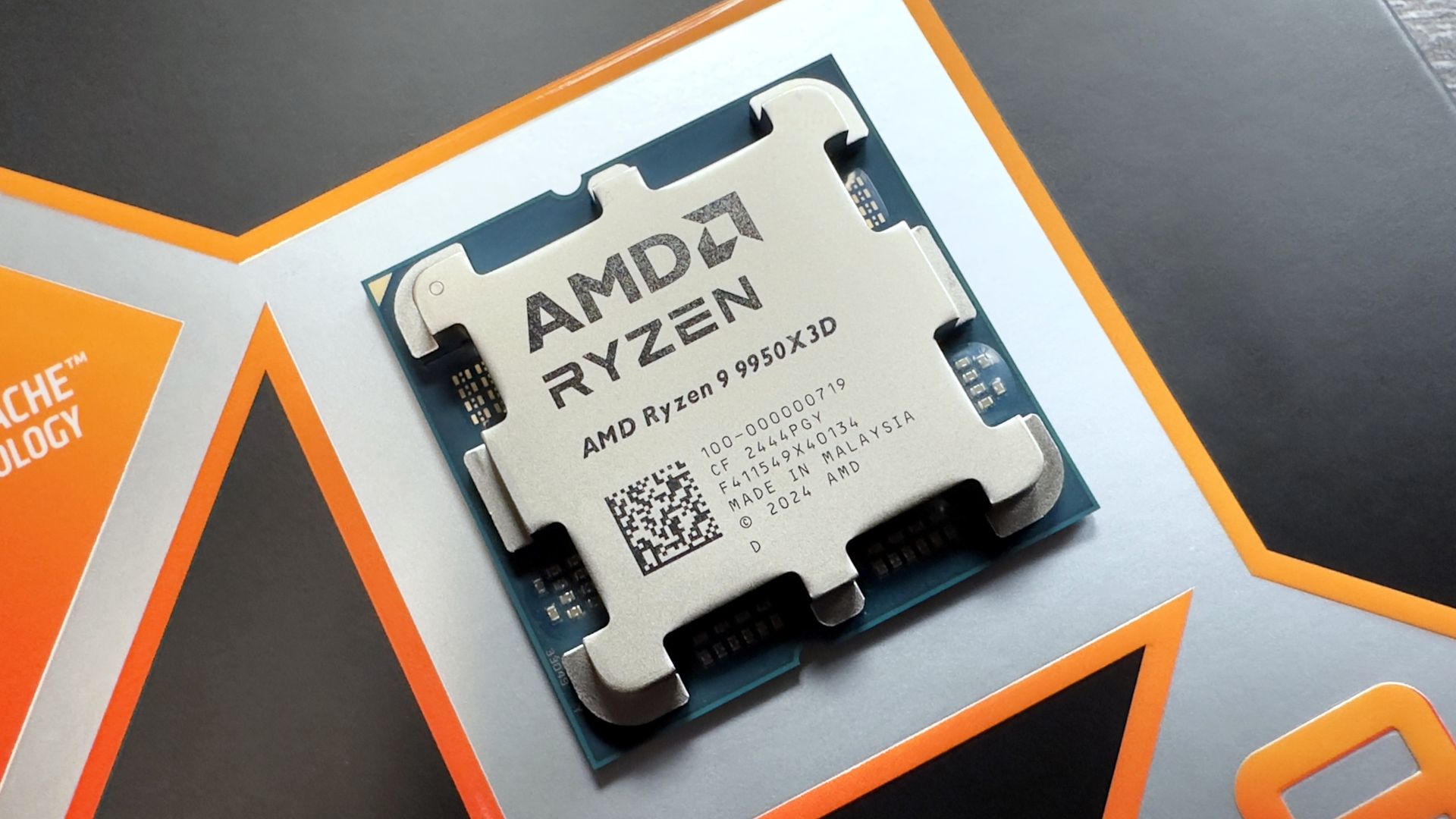
OpenAI says its models redesigned parts of an AMD flagship GPU, achieving a 14% improvement in power, performance and area (PPA). AMD has reportedly verified a single-digit PPA improvement in key modules of a next-generation CPU and incorporated some findings into chip designs that have gone to manufacturing.
The models also worked on OpenAI’s in-house “Jalapeño” chip. For its vector compute unit, changes reduced cell area by around 13%, according to OpenAI, with the result observed when the hardware was powered on. The Jalapeño compute unit’s standard cell area fell by around 10%; the multiplier area fell by around 15%, and latency was cut from two clock cycles to one.
OpenAI says the circuit rewrites are “production-viable.” The claim is not that people could not make the same optimisations, but that the models completed around a year’s worth of design optimisations in less than five months.
The report says the models worked on the Jalapeño chip, an AMD “flagship GPU IP” and “AMD next-gen flagship CPU key modules,” with different gains for each. AMD has reportedly incorporated some findings into chip designs that have recently gone to manufacturing.
Using a budget of around 112,000 tokens, GPT-6.2 Astra, GPT-6 Astra, GPT-6.1 Sol and GPT-5.6 Sol performed better when asked to design a RISC-V core from scratch than when asked to optimise an existing one. OpenAI cautioned that a full redesign can omit features in the original design.
The article notes that AI’s ability to work quickly and continuously can help hardware development, while also creating challenges. It says Linux engineers are struggling to manage thousands of bugs found by AI, underscoring the need to maintain and monitor AI systems.