Gene Marks argues that the U.S. economy and many small businesses appear to be doing well, while noting that rising costs, debt and other pressures affect people and industries differently.
Producer prices have risen more than 6 percent over the past year, Marks writes, a trend that could put pressure on inflation. He says sustained inflation could also mean higher Treasury yields and mortgage rates, which have contributed to a steep drop in existing-home sales and hardship in real estate.
The Federal Reserve is likely to raise interest rates again before year-end, according to Marks. The prime rate for business loans is now 7 percent. The New York Federal Reserve reports historically high household debt, with about 5 percent of outstanding debt delinquent in the latest quarter, up from 4.7 percent in the preceding quarter. About 135,000 consumers had new bankruptcy notations added to their credit reports, the report says.
There are also signs of relief for consumers: inflation excluding gas has cooled somewhat, oil is flowing through the Strait of Hormuz, and average gas prices have fallen below $4 for the first time since July. Although credit card debt is at record levels, the rate at which balances become seriously delinquent improved slightly.
Retail sales continue to rise, Marks writes. Target says more shoppers are visiting its stores ahead of the holiday season. The National Retail Association forecasts holiday sales growth of 4.2 percent over last year; Visa expects a record increase in holiday retail spending; and Adobe says consumers will spend 6.7 percent more online than during the previous holiday season.
American Express, which started Small Business Saturday, says 88 percent of consumers it surveyed are likely to shop at small businesses this holiday season—the highest share since 2012.
Small businesses appear to be managing higher costs, tariffs and a tight job market, though many remain uncertain about the outlook. A survey by payroll and HR provider Gusto found that 86 percent of small-business owners said their companies were meeting or exceeding original expectations and that they were confident in their ability to grow and profit. The National Federation of Business's Small Business Optimism Index declined slightly last month to just below its historical average, while its Uncertainty Index fell further.
The Institute for Supply Management reported that manufacturing activity expanded in October for the 10th consecutive month. Services activity remained in expansion for the 28th consecutive month, and durable-goods orders rose more than anticipated.
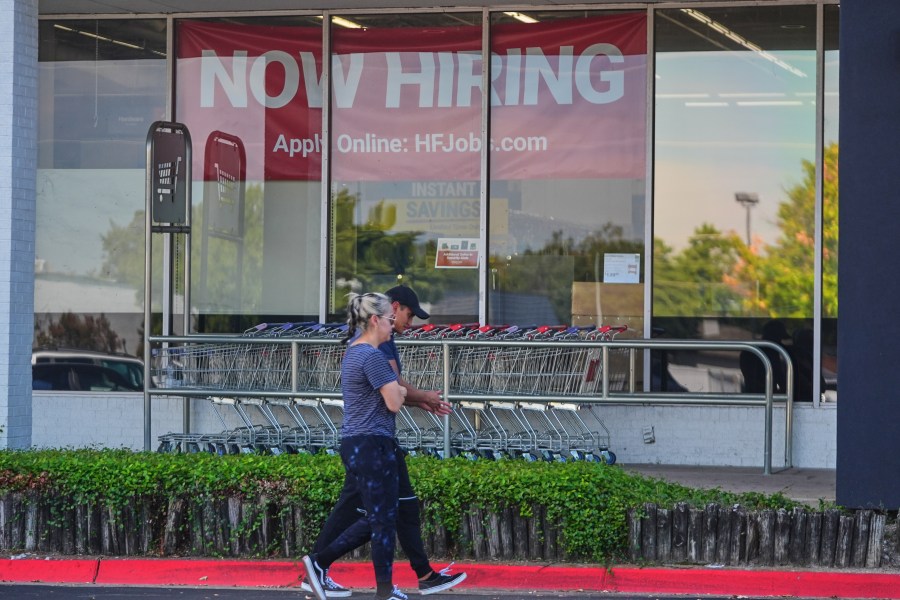
The labor market also shows continued strength, Marks writes. HR firm Paychex says small employers are showing "resilience" and continuing to add jobs, although hourly pay is still lagging inflation. ADP reported 86,000 private-sector jobs added in October and gross pay growth of 4.7 percent year over year. Unemployment claims remain at historically low levels.
Marks concludes that the U.S. economy is doing well overall, but not for everyone. He says economic conditions vary according to factors including location, industry, weather and exposure to forces such as tariffs and oil prices. Marks is founder of the Marks Group, a small-business consulting firm.