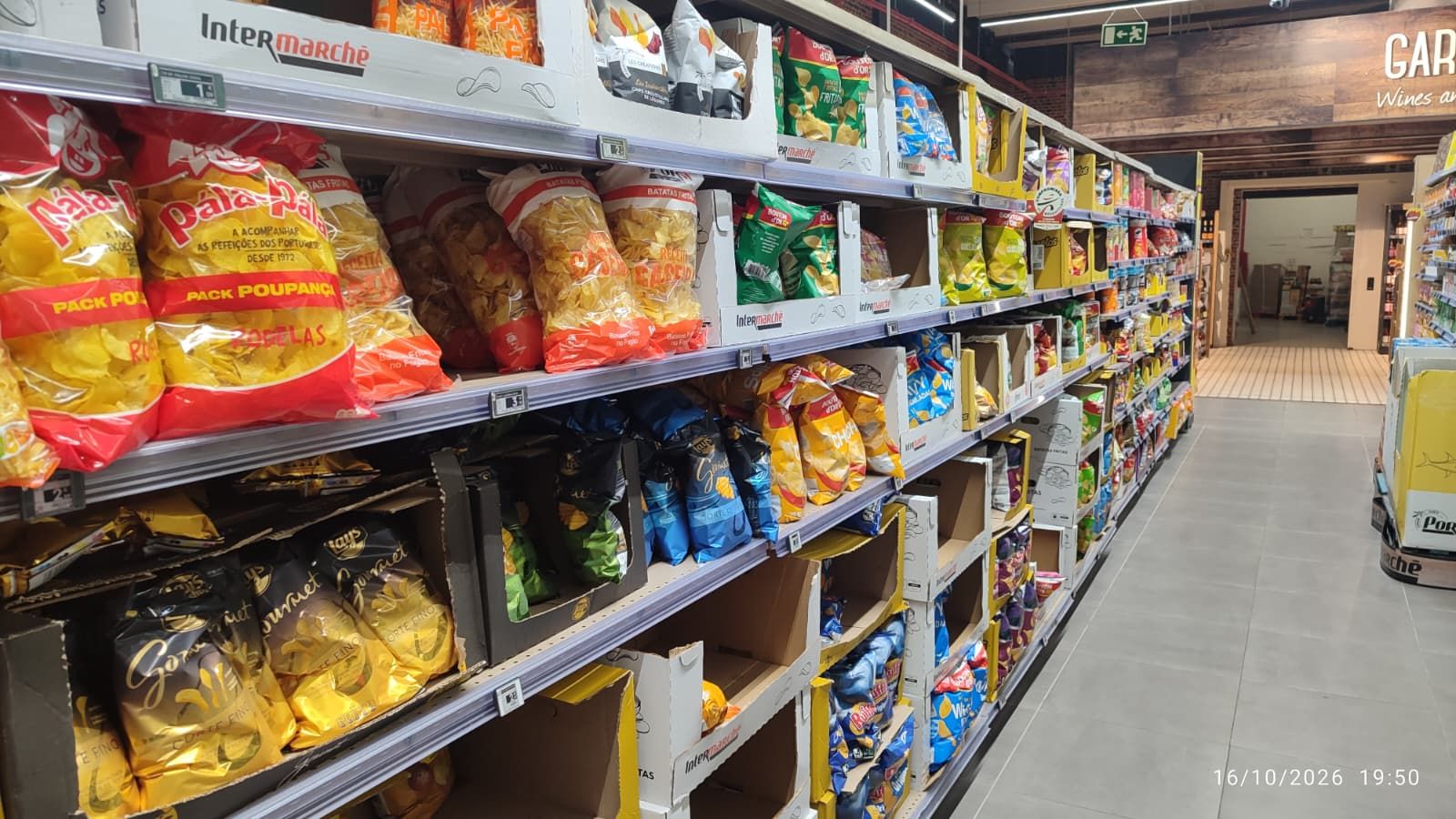
The findings come from the latest Worldpanel by Numerator study, released on 17 November, which examined supermarket shopping habits in Portugal during the first 40 weeks of 2026.
Continente maintained its leading position with a 27.5% share of the consumer goods market, followed by Pingo Doce at 22%.
Lidl recorded the largest increase among the retailers analysed, growing from 12.8% to 13.7%, while Mercadona increased its share to 7.4%.
The results show that attracting customers does not always translate into higher spending, with supermarkets experiencing different patterns in shopping frequency, basket size and consumer loyalty.
Mercadona attracts more customers
Mercadona has continued expanding its customer base in Portugal, with the proportion of shoppers using the chain increasing from 59.5% to 61.7%.
However, customers are buying fewer products during each visit.
The average number of items purchased fell from 10.79 to 9.87, while spending per visit declined from €29.99 to €29.10.
Although customers visited Mercadona slightly more frequently, averaging 11.3 visits during the period analysed, the increase was not enough to offset the reduction in basket size.
The findings suggest that while Mercadona is succeeding in attracting shoppers, encouraging them to spend more remains a challenge.
Lidl and Pingo Doce gain ground
Lidl recorded stronger growth across several measures, increasing its market share while also attracting more frequent visits and larger shopping baskets.
The average amount spent per visit rose from €21.23 to €22.43, while the number of items purchased increased from 8.30 to 8.41.
Shopping frequency also climbed from 19.9 to 20.7 visits during the period.
Pingo Doce experienced a similar improvement in spending, with the average shopping basket increasing from €26.09 to €27.24.
Customers purchased an average of 8.58 items per visit, while shopping frequency remained relatively stable at 26.1 visits.
Marta Santos, country manager of Worldpanel by Numerator Portugal, said the findings demonstrate that attracting shoppers is only one part of achieving sustained growth.
She explained that encouraging customers to visit more frequently and increase the value of their purchases is becoming increasingly important in Portugal’s competitive supermarket market.
Supermarket own brands continue to grow
The study also examined the growing importance of supermarket own-label products, which account for almost half of consumer goods spending in Portugal.
During the first 40 weeks of 2026, own-label products represented 48.4% of spending on consumer goods, excluding fresh products.
That compares with 47.9% during the same period last year.
However, the proportion varies considerably between supermarket chains.
At Mercadona, own-label products accounted for 89.7% of sales, reflecting the retailer’s strong reliance on its own brands.
Lidl also maintains a high proportion of own-label products, although their share declined to 75.1% as the company expanded its selection of established manufacturer brands.
At Pingo Doce, own-label products accounted for 41.3% of sales, remaining stable despite an increase in the proportion of customers purchasing them.
The findings indicate that Portuguese shoppers continue to value established brands alongside supermarket alternatives.
Fewer shopping trips but higher spending
The research also identified a broader change in shopping habits across Portugal.
During the 12 months ending 4 October 2026, the average number of supermarket shopping visits declined from 154.3 to 153.
However, the average amount spent per visit increased from €23.16 to €23.82.
This means consumers are making slightly fewer shopping trips but spending more each time.
The figures do not establish whether the increase reflects higher prices, changes in the quantity purchased or different product choices.
Continente, Lidl and Aldi were among the retailers that increased shopping frequency despite the overall decline.
Loyalty programmes also remain influential, with Portuguese consumers using an average of three supermarket loyalty cards, according to the research.
The findings suggest that competition between Portugal’s major supermarket chains increasingly depends on more than attracting new customers, with shopping frequency, product selection and the value of each purchase playing an important role in their market positions.