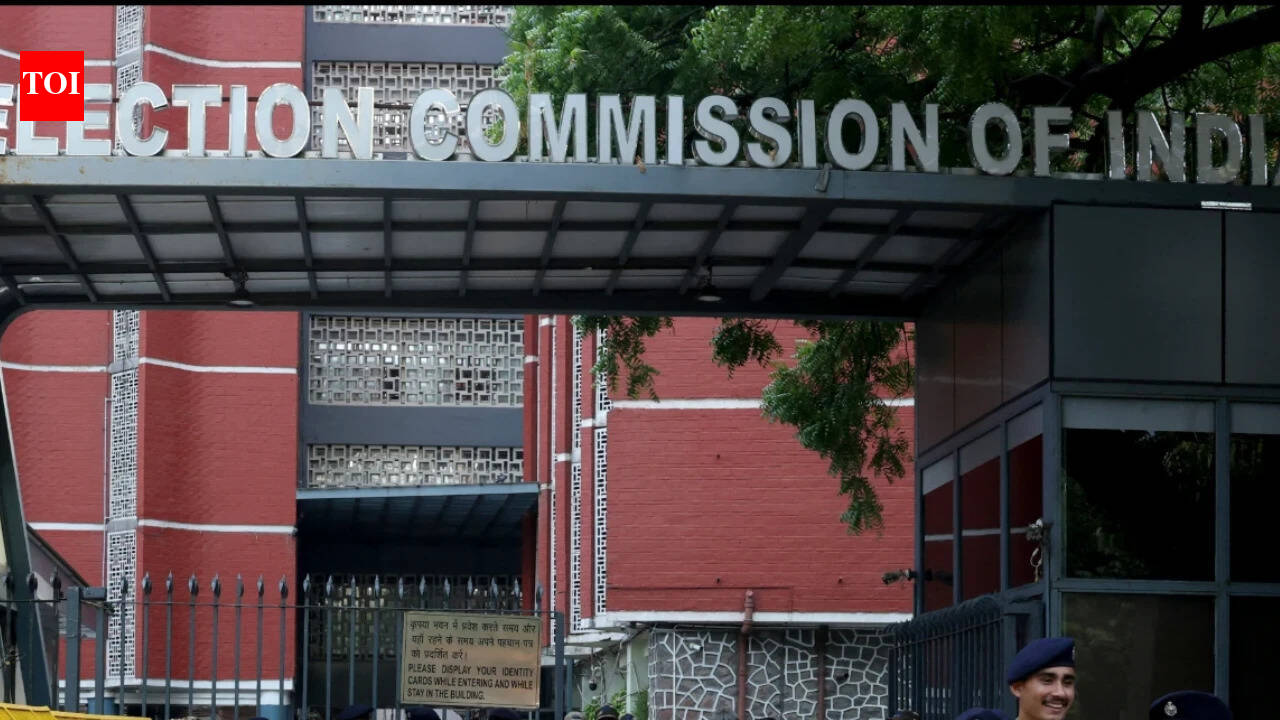
The proposed delimitation commission would include a chairperson, the Chief Election Commissioner (CEC) or an election commissioner, and the state election commissioner of the state concerned, a government functionary told news agency PTI on Sunday. Five MPs and five MLAs from the state would also be members, and the commission would redraw constituencies as part of the Centre’s proposed exercise.
The commission’s report would be presented to Parliament, which could modify or reject it, the functionary said.
The proposed structure and powers have become part of a political dispute over the government’s plan to expand the Lok Sabha and implement women’s reservation through delimitation. Opposition parties have questioned the exercise, alleging it could give the BJP an advantage in redrawing India’s electoral map.
Congress leader Rahul Gandhi has accused the government of seeking to give Prime Minister Narendra Modi, Union home minister Amit Shah and Chief Election Commissioner Gyanesh Kumar a “blank canvas” to reshape constituencies.
“Why 850 seats? Answer lies in Assam and Jammu and Kashmir. If they have 850 seats to play with, they can redraw the map to suit themselves, weaken the representation of communities opposed to them and allow them to target specific opposition leaders,” Rahul said on Friday. He also alleged that the Election Commission had been “captured” and that the government now wanted to capture the delimitation commission.
Rahul claimed the proposed arrangement would let the government influence the appointment of commission members and the redrawing of constituencies. Congress has called for the Lok Sabha’s current strength of 543 to be retained, no changes to any state’s share of seats, and women’s reservation to be implemented within the existing strength. It has also sought a bipartisan delimitation commission and an OBC sub-quota within women’s reservation.
The INDIA bloc has decided to jointly oppose the Constitution amendment bill in Parliament, alleging it could harm the interests of SCs and STs and allow the BJP-RSS to consolidate power.
The Constitution (132nd Amendment) Bill, 2026, proposes raising the Lok Sabha’s maximum strength from 550 to 850, including up to 815 members from states and 35 from Union territories. It also proposes raising the ceiling on the size of state assemblies from 500 to 650.
The Centre plans to increase the seat allocation of each state and Union territory in the Lok Sabha and their respective legislative assemblies by 50%. The proposed revised allocations and boundaries would remain frozen until 2051.
A special sitting of Parliament has been convened to consider bills linked to delimitation and women’s reservation. The Lok Sabha has been reconvened on November 30, while the Rajya Sabha will meet on December 2. The sittings are scheduled to conclude on December 3.