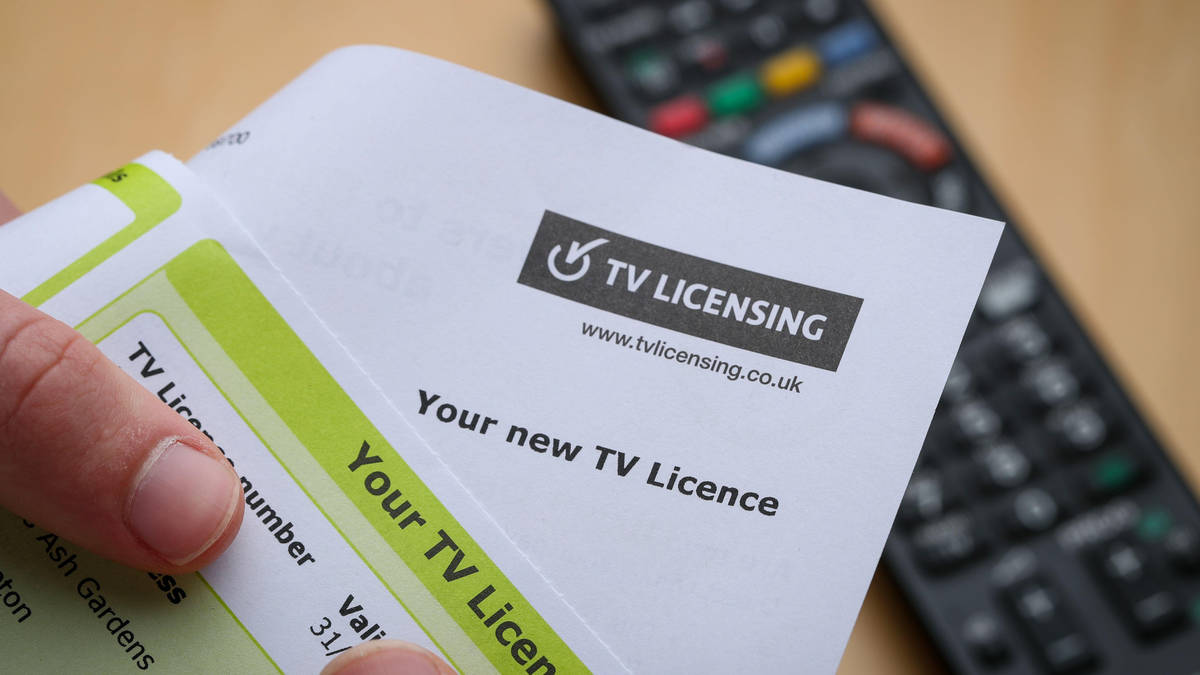
The TV Licence could fall by £30 to £150 a year from 2028 if proposals to require streaming service subscribers to pay the fee go ahead.
A reported government white paper is considering how the BBC can maintain its budget without increasing the licence fee. More than 500,000 people in Britain did not renew their TV Licence last year, according to the BBC’s annual report. The fee rose for the third year in a row in 2026.
The government decided that the fee would rise annually in line with CPI inflation for the remainder of the BBC Charter, which runs until the end of 2027.
Extending the licence requirement to streaming services would “improve the BBC’s financial outlook relative to the status quo,” said Sam Khoury, a senior analyst at Ampere. He told the Times: “In the context of ongoing cost of living pressures in the UK, the government could opt to reduce the price of the licence fee payable by the extended pool of consumers.”
A colour TV Licence costs £180 following a price increase announced earlier this year. It covers watching live content on all channels, including free-to-view and paid services such as Sky. A licence is also required for BBC iPlayer and live content on streaming services.
At present, people who only watch on-demand content on subscription services such as Apple TV, Netflix and Amazon Prime do not need a licence, provided they do not watch live television. YouTube videos and clips watched on demand also do not require a licence, but live streams do, such as the Champions League final.
The BBC is reviewing its funding model ahead of publication of its Royal Charter next year. The current 10-year charter ends in 2027. “We will continue to engage with government to secure a new charter that provides sustainable, sufficient and universal funding so the BBC can deliver for audiences for generations to come," a spokesman told the Telegraph.
The Telegraph has reported that one option Culture Secretary Lisa Nandy could consider is requiring streaming service users to pay the TV Licence fee. A BBC spokesman said: "Through Charter Review, we are looking at a range of options, including how the licence fee could be reformed, but no final decisions have been made."
There is currently no option to pay a reduced TV Licence if it is needed only for watching live content on streaming services. A licence is not required for on-demand streaming, except for BBC iPlayer.
A black and white licence costs £60.50. Around 3,600 such licences were reported in 2025, down from 200,000 in 2000.
People who are blind can apply for a 50% concession and pay £90 for a colour licence. TV Licensing says people aged 75 or older can get a free licence if they, or a partner living at the same address, receive pension credit. A licence is still required, even when it is free. People aged 74 can apply for the free licence to begin when they turn 75.