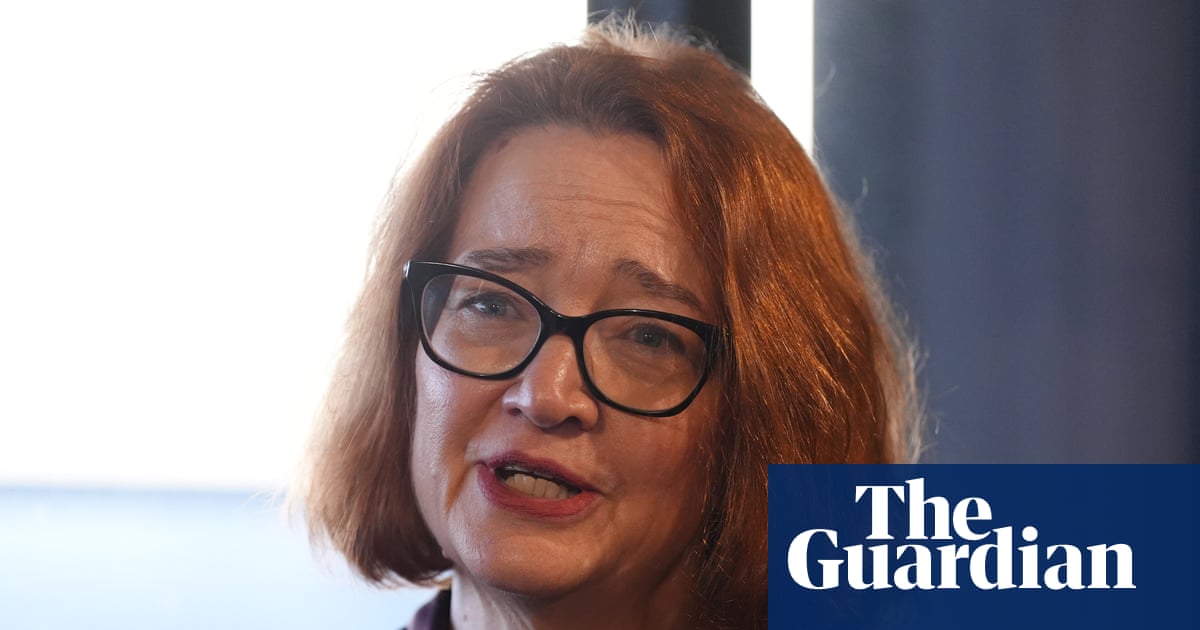
The chair of the UK’s Equality and Human Rights Commission (EHRC), Mary-Ann Stephenson, has urged people to “take the temperature down” over guidance on single-sex spaces, saying “misinformation” about it has created “more anxiety among people”.
Speaking to MSPs at the Scottish parliament’s equalities, human rights and civil justice committee on Thursday, Stephenson said some transgender people, including younger people, were feeling very anxious. She said some of that anxiety stemmed from people believing the law entitled them to something that, following the court ruling, it did not.
The EHRC issued the guidance earlier this year after the supreme court ruled that sex in the Equality Act 2010 referred to biological sex. The ruling has caused concern among transgender people in Scotland, organisations told the committee, and some have chosen not to seek medical attention.
Stephenson said the guidance had been described in “really inflated language”, including claims that it excluded all trans people from public life or required genital checks to access services. “I can understand feelings are high, people are upset, but actually, it doesn’t help,” she said.
She urged people to recognise that the Equality Act aimed to build a society where everyone could live with dignity, access needed services and not face discrimination. Stephenson said she disagreed with the view that the code was confusing, adding: “I think the code is actually quite straightforward.”
Florence Oulds, policy and public affairs coordinator at the charity Scottish Trans, said the guidance had affected transgender people’s access to leisure facilities and healthcare settings. She told MSPs: “We are aware of at least three trans people we’ve spoken to and other trans people we’ve heard evidence from who have not gone to hospital against medical advice because they are concerned about where they’ll be placed on a ward. I think that’s a very common sentiment.”
Oulds said the code of practice was “just fundamentally a very confusing and difficult document to follow”. She also said the EHRC “often instructs organisations to seek legal advice” but that advice in the area could be “completely conflicting”. She had heard from trans-inclusive organisations that had spent significant amounts on legal advice without reaching a clear outcome.