Teaching AI to build scientific models - Anthropic
By Google News AI ·
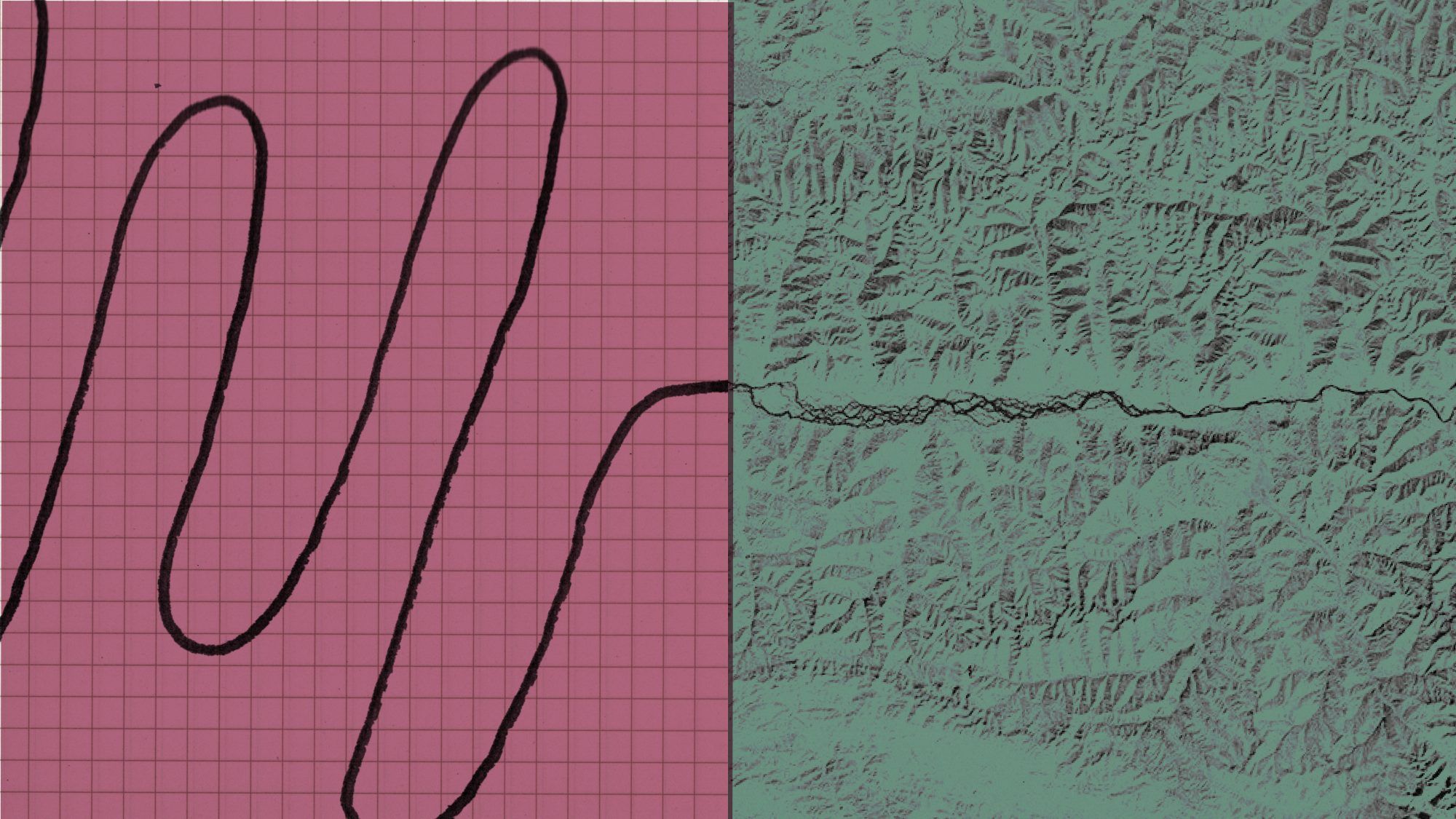
In 1951, Cambridge University’s computer went out of action for six months. This was inconvenient for physiologist Andrew Huxley, who, alongside his colleague Alan Hodgkin, had just built a set of equations to describe how a particular squid nerve cell fired. The scientists wanted to understand the “action potential” of these nerve cells: the electrical pulses they use to communicate, which underlie everything brains do, from perception to intelligence. The only way to find out whether the equations worked was to solve them and compare the solutions to data.
Huxley had hoped to use the newfangled computer to solve the equations. Instead, he was forced to solve them using a hand-cranked mechanical calculator. It took him over three weeks.
The basic structure of their model was dictated by known facts about the cell. Hodgkin and Huxley modeled its membrane as an electrical circuit. One part of the model, however, was just an educated guess. In order to make the curve fit the data they had measured, they found that they had to raise one variable to the fourth power—that is, to multiply it by itself three times. At the time, they did not know why. They just knew that otherwise the model didn’t predict the observed data as well.
They did offer a hypothesis, however. They cautiously suggested that the variable in question, which governed how particular gates in the cell membrane opened, might require the fourth power because multiple charged particles in the membrane had to move into place before the gate would open.
Decades later, long after both Hodgkin and Huxley had won the Nobel Prize in Physiology or Medicine in 1963, another team found the structure of a related potassium channel protein. And they discovered that, yes, it had four identical pieces arranged around…
Originally published by Google News AI