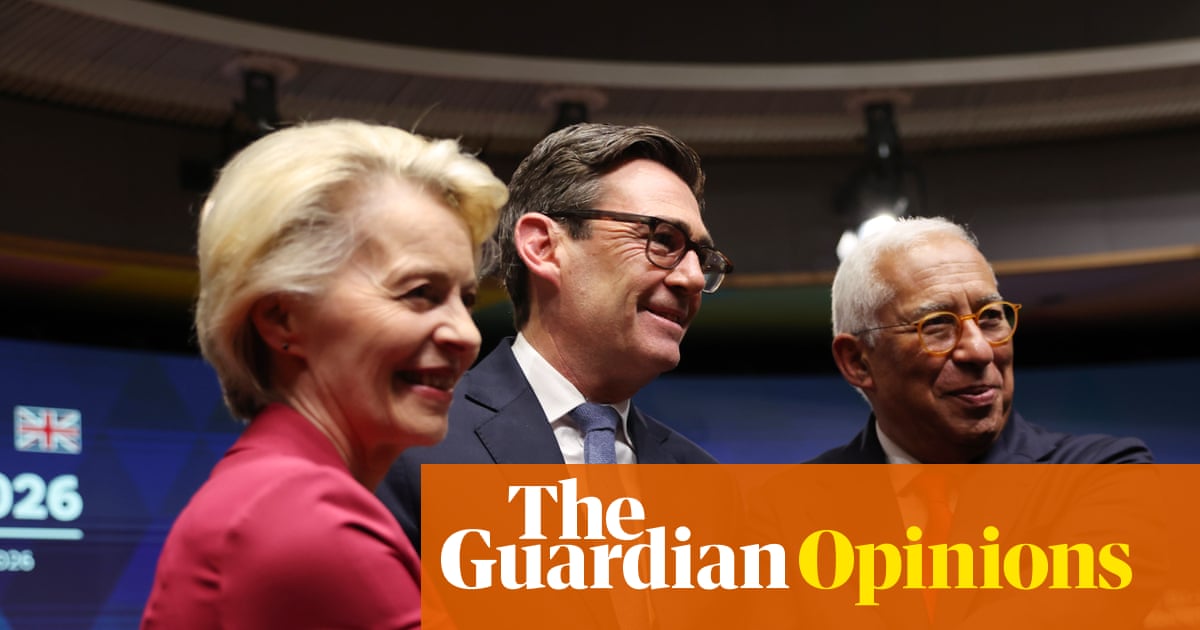
Andy Burnham’s announced deal to ease some of Brexit’s barriers is a welcome step, but disputes over its terms underline the limits of closer ties without EU membership, The Guardian’s editorial says.
EU sources say the agreements, or at least some of them, will not take effect until Britain resolves a dispute over its demand that European students pay the same university tuition fees as British students. The prime minister had hoped to move on from Brexit negotiations, but closer ties come with a price, the editorial says.
The agreements would ease food trade barriers, shield British exporters from EU carbon tariffs and allow up to 100,000 young people on each side to live and work across the Channel for three years. The editorial describes the deal as an achievement, but says Burnham cannot claim an unqualified diplomatic victory.
The editorial argues that such progress would have been unimaginable under the Conservatives or Reform. The Conservatives say they will tear up the agreements, while Nigel Farage acknowledges that Brexit was botched but wants greater divergence from Europe. Both parties, it says, face a challenge in opposing a closer relationship when its benefits are recognised.
Polls consistently show that many voters believe Brexit has not worked out well, and support for rejoining the EU has grown, the editorial says. It adds that the rise of the European radical right may affect the EU’s approach to Britain. Closer ties with a broadly pro-European British government could lead to preferential access to the bloc, but Brussels will expect something in return. The Swiss ambassador to the UK told a Lords committee earlier this year: “If you want to have access to the common market, you will need to pay some cohesion money.”
Negotiations over defence and industry illustrate the trade-offs, according to the editorial. Britain balked at the financial contribution Brussels wanted for joining efforts to support European defence production and supply chains. With British defence manufacturers at risk of losing access to a growing European market, both sides have indicated interest in talks, but no deal has been reached.
The EU’s “Made in Europe” industrial strategy poses another challenge. Britain imports cheap Chinese electric vehicles, while the EU aims to protect its producers. British carmakers rely on European demand, and proposals made before the meeting risked shutting them out of the market. The summit promised closer cooperation on electric vehicle supply chains, which may require Britain to align its policies with Brussels without having a vote on them.
This week, Labour’s Stella Creasy and senior German MEP Bernd Lange proposed a Swiss-style deal to restore Britain’s economic and diplomatic influence without rejoining the EU. But the editorial says greater market access without membership would mean accepting rules Britain cannot influence. It warns that Switzerland’s experience—more than 120 bilateral deals followed by the EU’s demand for a new framework—could offer a lesson for Britain.
The editorial concludes that Burnham must consider how long Britain can negotiate the benefits of EU membership without confronting the costs of remaining outside.