These three LA photographers reshaped how celebrity portraits were taken
By Google News Category Photography ·
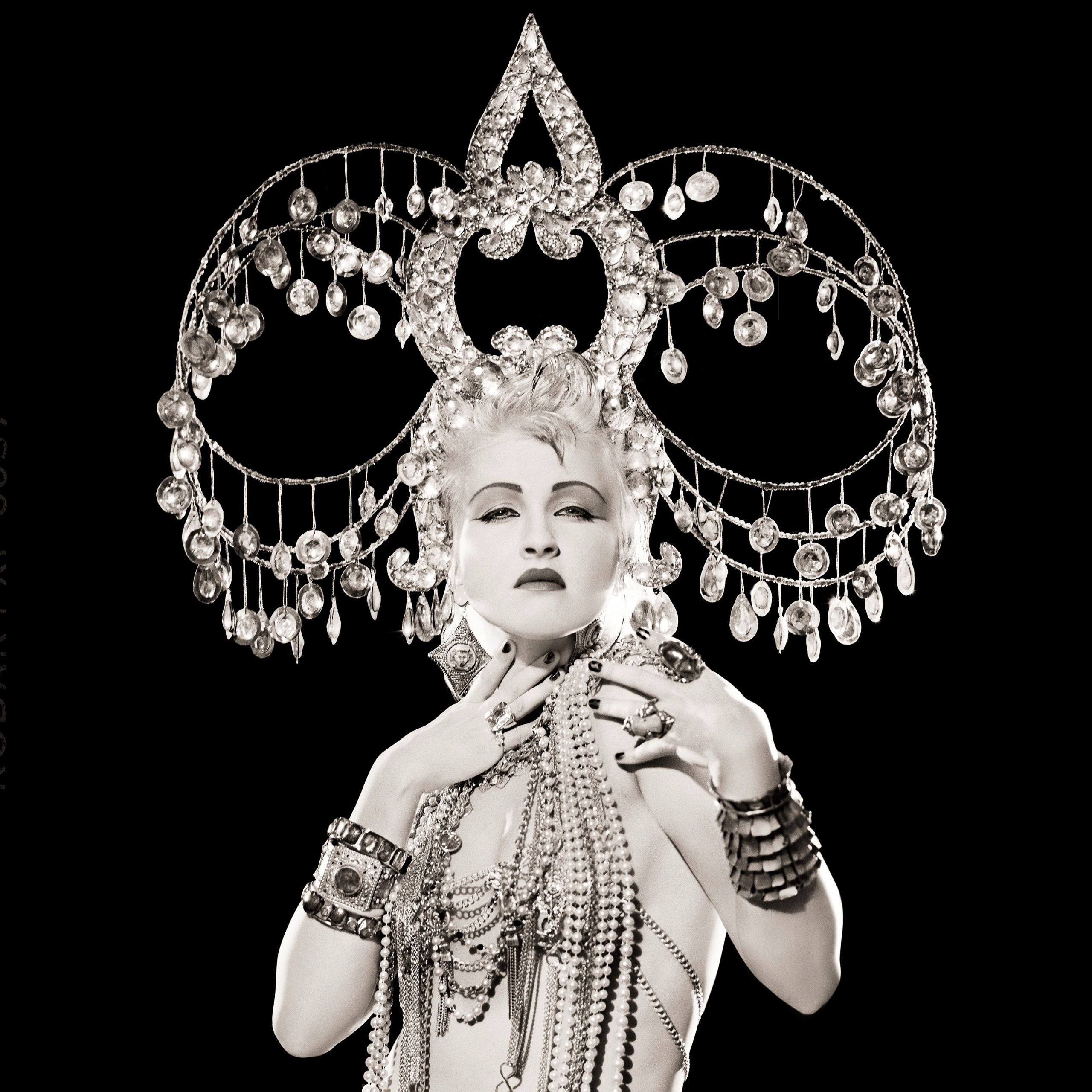
Jack Nicholson grins through a magnifying glass. Warhol sits behind dark glasses, white hair lit like a halo. A teenage Leonardo DiCaprio emits an intense glare. Cyndi Lauper poses beneath a huge headdress that's dripping with crystals.
These are some of the images in The School of Los Angeles, a new show at LA's Fahey / Klein Gallery that brings together the work of Herb Ritts, Greg Gorman and Matthew Rolston, all of whom made their names in Southern California in the late Seventies.
Between them, they photographed many of the biggest stars of the era. And according to the show, they created a visual language that shapes how fame, beauty and identity are pictured today.
The title draws on a term used by Charlie Churchward, a former design director at Vanity Fair and Vogue, and asks whether the three photographers deserve to be recognized as a distinct artistic movement, emerging in the late Seventies and peaking in the Eighties and early Nineties.
What linked them wasn’t a shared style but a shared place and generation. They knew the rising stars, the stylists and designers around them, and the city’s extraordinary locations. They had an important early supporter in Andy Warhol, who sought them out to shoot people for his magazine, Interview.
They were, however, by no means uniform in their approach. The gallery sums it up as: “Ritts idealized, Gorman revealed, and Rolston transformed.”
Herb Ritts used classical poses, simple backgrounds and bright California light to turn his subjects into something almost like sculpture. Tina Turner stretches out in a beaded minidress against a plain white backdrop. Willem Dafoe crouches against a weathered wooden wall. A young Richard Gere poses at a petrol station in front of a Fifties car with tail fins, cigarette in mouth.
The best camera deals, reviews, product advice, and unmissable photography news, direct to your inbox!
Greg Gorman, in contrast, got closer, using controlled light and an intimate relationship with his subjects to uncover the personality beneath the image. His photos include Diana Ross sitting alone at a candlelit café table and RuPaul peering playfully through opera glasses under a mountain of blonde curls.
These images appeared in magazines, advertising, album covers, music videos and films during the era.
Matthew Rolston, meanwhile, took a more theatrical approach. He saw portraits as something to be constructed, borrowing from Hollywood, art history, fashion and fantasy. His 1986 composition of Cyndi Lauper, swathed in pearls beneath that spectacular headdress, is a classic example.
The media landscape has changed enormously since these times. But the visual language they created lives on, and today’s photographers, celebrities, influencers and brands still draw on it.
As the gallery's press release puts it: “They inherited one of art’s oldest challenges and gave it a distinctly late twentieth-century Los Angeles form."
The School of Los Angeles: Herb Ritts, Greg Gorman and Matthew Rolston is at Fahey / Klein Gallery, Los Angeles, until November 28.
Take a look at the best cameras for portraits along with the best portrait lenses.
Tom May is a freelance writer and editor specializing in art, photography, design and travel. He has been editor of Professional Photography magazine, associate editor at Creative Bloq, and deputy editor at net magazine. He has also worked for a wide range of mainstream titles including The Sun, Radio Times, NME, T3, Heat, Company…
Originally published by Google News Category Photography