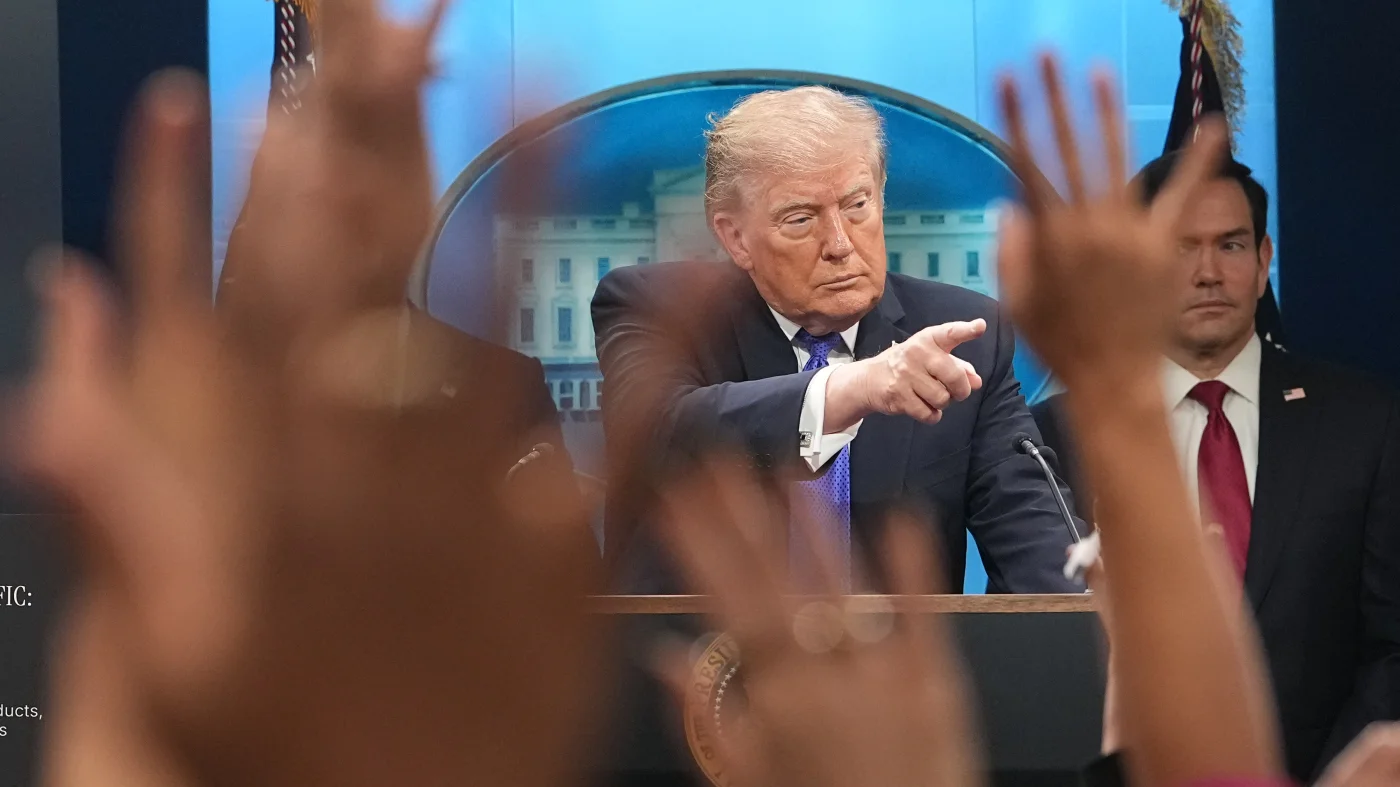
President Donald Trump has ordered federal contractors and subcontractors to consult with his administration before responding to inquiries from Congress, and to withhold communications the White House considers privileged.
The executive order, issued late Friday, also requires companies to coordinate with the White House and U.S. agencies on “appropriate responses” to congressional requests. It warns that contracts could be terminated and future federal work suspended if companies do not comply.
The order applies to all contractors and subcontractors, a universe of tens of thousands of businesses. The Republican administration issued it as Democrats prepare to take control of Congress in January and pursue what are expected to be wide-ranging oversight investigations. Democrats have made government contracts a top investigative target, pointing to federal money flowing to companies linked with Trump’s family, particularly at the Pentagon.
White House officials have already moved to exert more control over how agencies and officials respond to congressional requests. On Monday, Trump’s counsel, Will Scharf, told federal agencies they must seek approval from his office and the White House’s Office of Legislative Affairs before agreeing to appear before Congress. In a recent letter to Rep. Robert Garcia of California, the top Democrat on the House Oversight Committee, Scharf suggested some congressional investigations may amount to “blatant criminality.”
Garcia sent letters this week directing members of Trump’s family and senior administration officials to preserve documents. Scharf sought to dismiss the requests, writing to Democratic lawmakers that they are not yet in the majority and cannot compel compliance.
Garcia called the executive order part of the administration’s “blatant attack on Congress’ constitutional right to conduct oversight.” He added, “we’re just getting started.”
The White House described the requirements in a fact sheet as “protecting executive privileges from congressional overreach.” It argued that some congressional leaders have tried to intrude on executive branch privileges by “harassing private companies that contract with the federal government.”
Presidents of both parties have long invoked executive privilege to resist congressional inquiries. Such claims can lead to prolonged legal disputes over whether the privilege applies. It allows a president to keep information from the courts, Congress and the public to protect the confidentiality of White House deliberations, but the protection is not absolute.