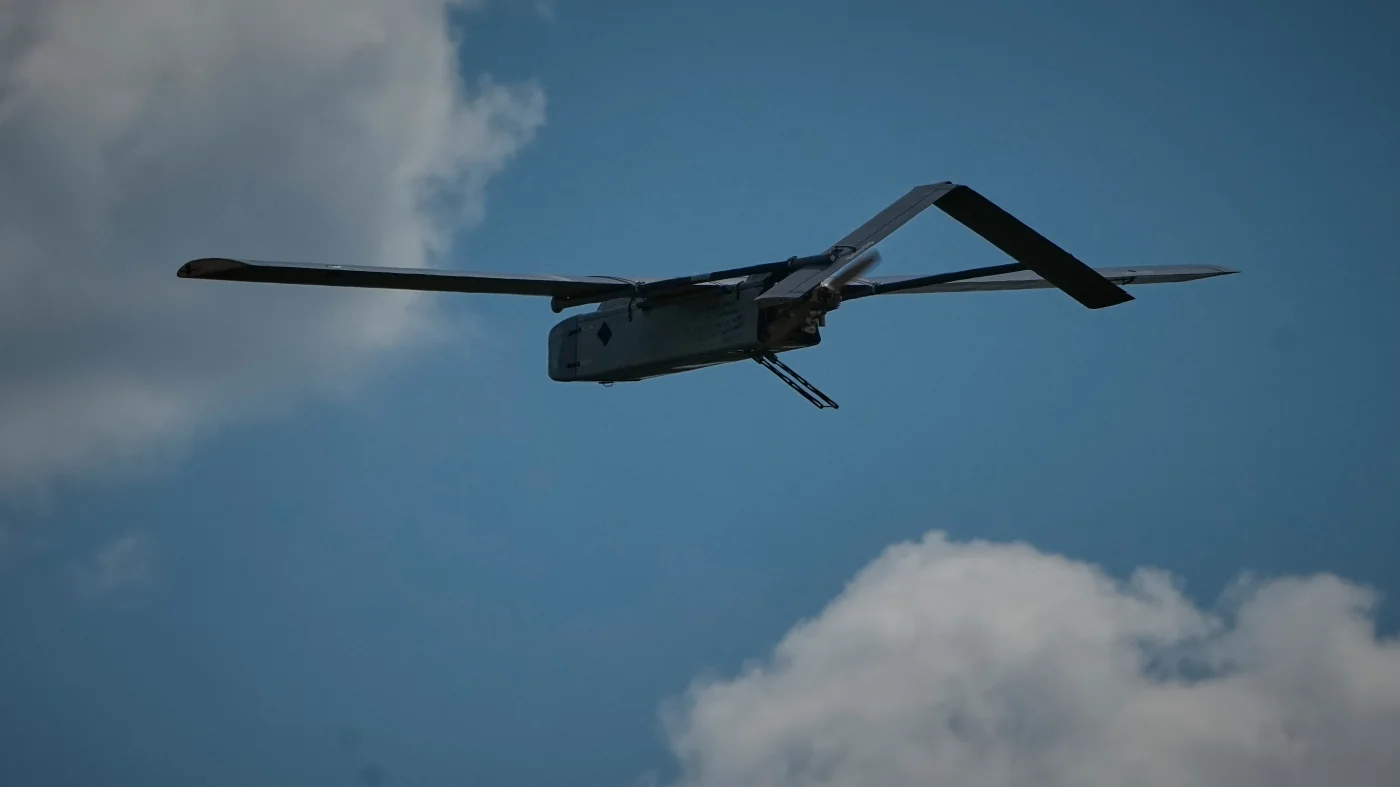
Diplomats meeting at the United Nations in Geneva agreed to spend two years discussing options for regulating lethal autonomous weapons, often called “killer robots.” The compromise allows countries to propose rules that could be legally binding or optional, falling short of calls for a binding agreement within a year.
The week of negotiations continued into the early hours of Saturday. Delegates said the agreement was better than nothing and showed the U.N. disarmament process could still function, while humanitarian organizations and many countries said it did not meet their hopes.
Before the talks, the International Committee of the Red Cross, guardian of the Geneva Conventions, said legally binding rules needed to be drafted within a year. The call was backed by the U.N. secretary-general and Pope Leo.
The concerns reflect warfare in Ukraine, Sudan and Gaza, where civilians are being killed by semi-autonomous drones. In Sudan this year, 80% of civilian deaths were caused by drones, according to the U.N.
Humanitarian organizations fear that artificial intelligence-assisted weapons could eventually make decisions to kill without human control. ICRC legal adviser Georgia Hinds said: “There is a fundamental ethical concern with having what are essentially these life-and-death decisions determined by programming, determined by an algorithm,” adding, “That's not something that you can fix with better technology. That is a moral red line that we cannot cross.”
The talks faced opposition to binding rules from some powerful countries, including the U.S., Russia and Israel. Russia delayed proceedings on the first day by objecting to the agenda. The United States then proposed five years of discussions on nonbinding, optional guidelines.
One delegate said, “They're just kicking the can down the road.” At 4:30 a.m. Saturday, negotiators announced the compromise: no agreement within a year, and no certainty that any rules would be legally binding.
The ICRC said it regretted the outcome and renewed its appeal for a binding treaty. Campaigners called the deal “a real disappointment” and a “nothing burger.” One added: “I am concerned people will die because of this.”
Anna Hehir, an expert in military AI governance at the Future of Life Institute, warned that systems could proliferate. “They're not like nuclear weapons in that they're inaccessible. There are autonomous weapons that are easy to purchase or even to create for all kinds of actors: individuals, nonstate actors, criminal groups.”
The talks also raised questions about applying the Geneva Conventions when machines, rather than people, carry out killings. Hinds said commanders remain responsible for ensuring force is lawful and accountable, adding: “You cannot hold a machine accountable for a violation of the law.”
Most U.N. member states agree that autonomous weapons should have some controls. But under the Geneva compromise, weapons that can use artificial intelligence to make life-and-death decisions will remain unregulated for at least the next two years as weapons technology develops and diplomacy struggles to keep pace.