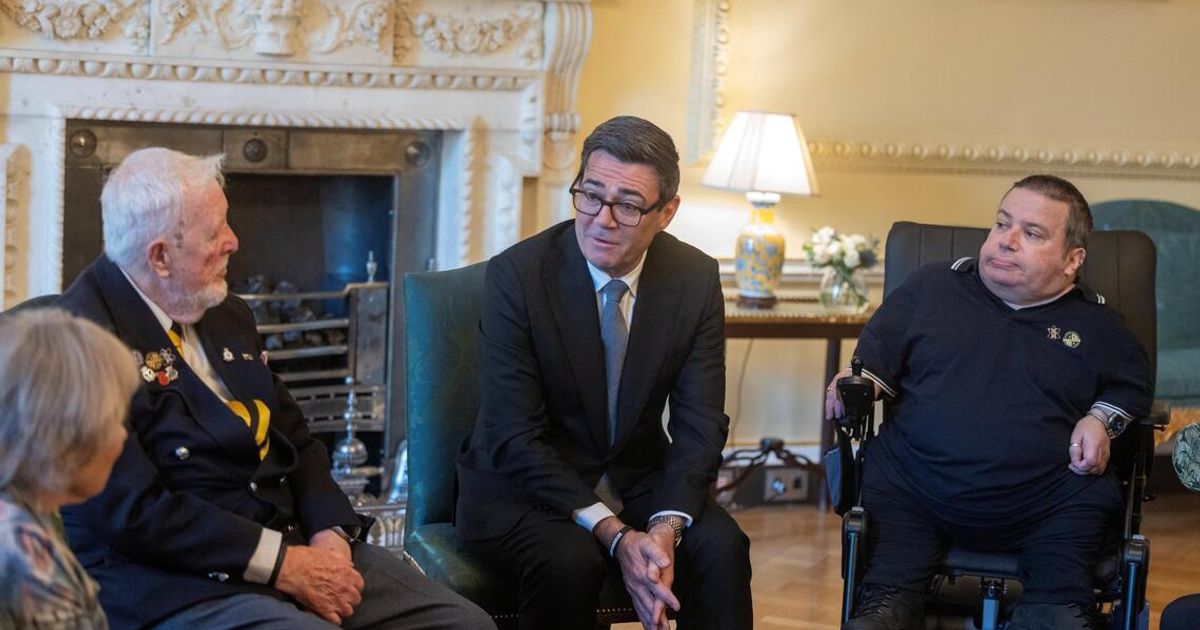
The UK government announced on Nov 24 that it would investigate the health effects of British nuclear tests on veterans and their families, following years of claims of a cover-up. The inquiry will examine veterans and their descendants, with an interim report due by October 2027.
“Nuclear test veterans and their families have waited too long for the truth, and that’s exactly what the independent panel will establish,” Prime Minister Andy Burnham said. “This is a campaign close to my heart,” he added in a statement.
The UK began nuclear testing in 1952, notably in the Pacific and Australia. Atmospheric tests stopped in 1962, but underground testing in the Nevada desert in the United States continued until 1991.
Successive UK governments have maintained that scientific evidence does not show widespread harm from radiation exposure. Campaigners, however, have long accused the Ministry of Defence of concealing records and exposure data, including results from blood and urine tests, that they say show the tests’ health effects on personnel at the sites.
The Legacy Of The Atomic Bomb Recognition For Atomic Survivors group says on its website that test participants were “lab rats or guinea pigs” and were “used in experiments to test the effects of nuclear warfare, with no regard for the indigenous people, their lands or their lives”.
The group’s co-founder, Alan Owen, estimates that up to 30,000 veterans from Britain and the Commonwealth were exposed to ionising radiation. He says between 250,000 and 300,000 descendants may also have been affected, with effects continuing into the fourth generation of children. Some veterans suffered cancer and blood cancers, among other health problems.
“Many of us have had children with life-changing disabilities. Others have suffered miscarriages and infant deaths our families were never given an answer for,” the group says.
Owen welcomed the inquiry as a “major step forward”, telling AFP that the average age of surviving veterans was now 88, so “time is not” on their side.
Owen’s father, James Ronald Owen, served on Christmas Island in the Pacific and died aged 52 from a heart condition. Owen’s brother died from the same condition aged 31, and Owen and his sister have also had heart problems.
Owen said the inquiry would include “research into the descendants to look at their illnesses”. “We’ve never been tested, it’s just an unknown and this will finally give us the answers... As to whether our father’s participation in the test has affected us,” he said.
Plans also include a new memorial in London, to be erected around the 75th anniversary in October 2027 of the first UK test in the Montebello Islands in Australia. The inquiry’s interim report is due by October 2027.