UK travel warning as dense fog disrupts key routes
By Google News Category Travel Advice ·
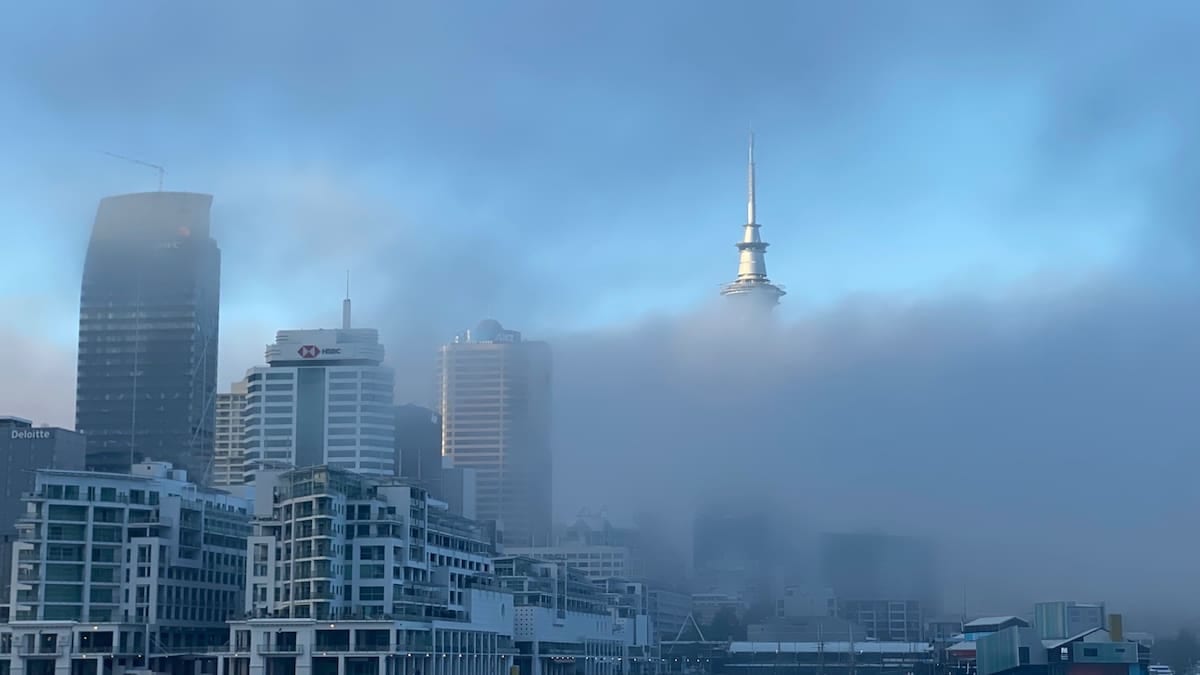
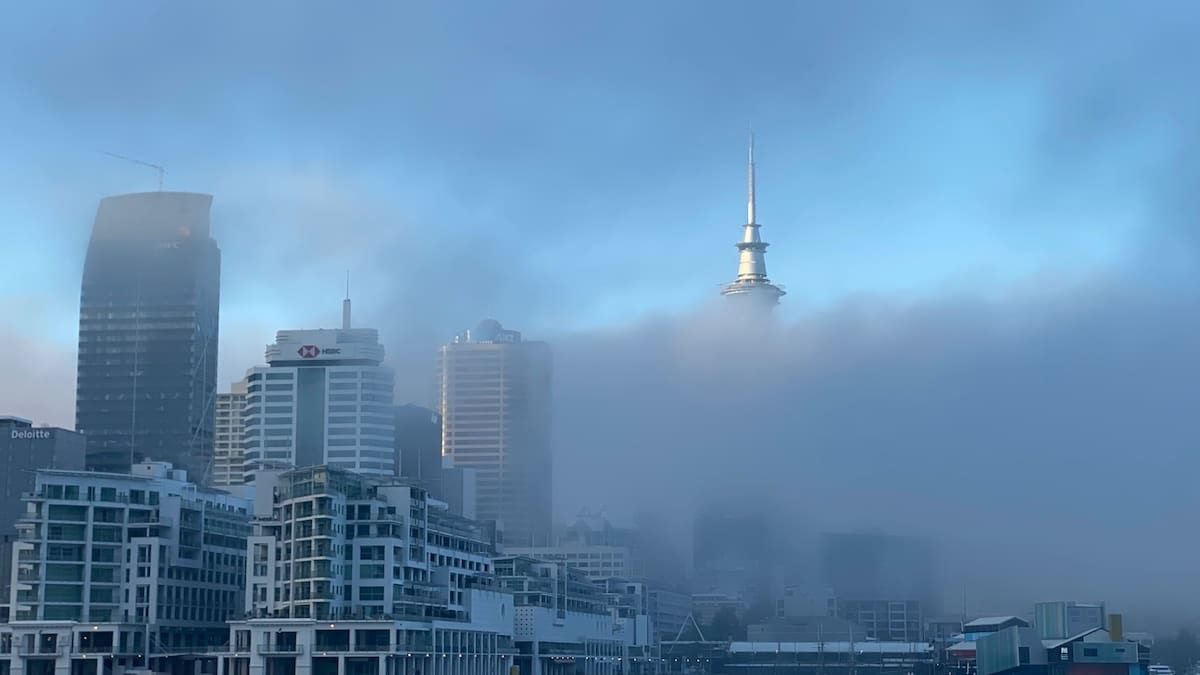
Dense fog has shrouded large areas of the UK, prompting travel warnings as visibility on key routes falls to a few dozen metres in places and disruption spreads across major roads, rail lines and airports.
Get the latest news straight to your inbox!
Publicly available information from the Met Office shows that yellow weather warnings for fog were in force on Monday 9 November across much of central and southern England and eastern Wales, highlighting a risk of “difficult travel conditions and possible delays.” The alerts follow a sequence of early November fog events affecting many of the same areas.
Forecast guidance indicates that visibility in the warning area could drop below 100 to 200 metres in the densest patches, with some locations seeing even lower values at times. Meteorologists have pointed to long autumn nights, light winds and high humidity as creating a “perfect recipe” for slow-clearing fog, particularly during the morning peak and around river valleys and low-lying ground.
The current warning polygons extend over several of the country’s busiest transport corridors, including stretches of the M1, M4, M5 and M25, as well as major A-roads linking London with the Midlands and southwest. Travellers are being advised to allow additional time, monitor local forecasts and be prepared for rapidly changing visibility from one junction to the next.
Met Office guidance on fog-related warnings notes that such alerts are issued when widespread reductions in visibility are expected to have an impact on transport. While alerts for heavy rain or strong winds are more common, recent blog material from the agency emphasises that prolonged dense fog can be just as disruptive for road, rail and air travel when it coincides with busy commuting periods.
Reports from UK traffic and travel feeds on Monday morning indicate that drivers on motorways and trunk roads have encountered long stretches where visibility has fallen well below standard stopping distances. Imagery from roadside cameras shows vehicles moving at reduced speeds with headlights and fog lights in use, particularly around the Home Counties and the Thames Valley.
National Highways guidance for travelling in fog underscores that reduced visibility can be highly localised, catching drivers out as they move from clear conditions into sudden “walls” of thick mist. The agency’s publicly available advice urges motorists to slow down, increase following distances and avoid relying solely on the rear lights of the vehicle ahead to judge conditions.
Information published in the Highway Code states that headlights must be used when visibility is seriously reduced, generally when drivers cannot see more than 100 metres. It also points out that front and rear fog lights may be used in dense fog but should be switched off once visibility improves, in order to avoid dazzling other road users.
Road safety organisations note that some of the most serious multi-vehicle collisions on UK roads have historically occurred in dense fog, where drivers have misjudged their speed or distance.
In light of the current warnings, travel bulletins are encouraging road users to consider whether their journey is essential, to stick to main routes where possible, and to check variable message signs on motorways for the latest information on conditions ahead.
Air travel is also being affected, particularly at major London airports where dense fog and associated low cloud have narrowed operating…
Originally published by Google News Category Travel Advice