New HIV infections could rise next year for the first time in years, reversing a historic decline amid funding cuts and anti-rights campaigns, the United Nations warned on Tuesday.
“The world has moved closer towards controlling the HIV pandemic, but changes in funding and resulting service disruptions jeopardize this progress,” UNAIDS said in its annual global update.
AIDS-related deaths have fallen to their lowest level in more than two decades, which the agency attributed to broader access to treatment and improvements in the quality of care programs. The virus claimed roughly 570,000 lives globally in 2025, or almost 1,600 people every day. That compares with 600,000 deaths in 2024 and 1.3 million in 2010.
Using data from 172 countries, UNAIDS estimated that 41 million people worldwide were living with HIV in 2025, including 32.1 million receiving antiretroviral treatment. Wider use of the medication also reduces the risk of transmission, the agency said.
UNAIDS estimated that 1.2 million people contracted HIV in 2025, down from 1.3 million the year before. New infections peaked at 3.5 million in 1994. “HIV, which was once a death sentence, has become a manageable health condition for millions of people thanks to life-saving HIV medicines,” the agency said.
But international funding cuts have hampered efforts to fight HIV, UNAIDS warned. International financing for HIV programs fell by 18 percent over the past year.
“Funding losses have destabilized HIV programs worldwide, coinciding with a wider contraction in official development assistance over the years,” the agency said.
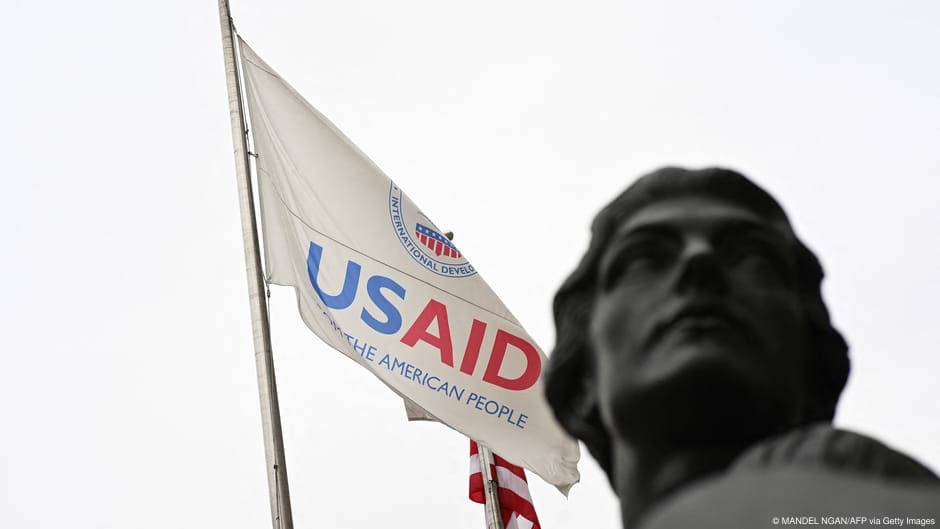
The United States remains the largest international donor for HIV programs, but its contributions fell by 26% between 2024 and 2025. After dismantling USAID, the world's largest foreign aid agency, last year, the Donald Trump administration has sought to replace decades of aid with new bilateral deals.
“The impact of the United States government funding cuts has been especially dramatic given the reliance of many countries on its support for core HIV programs,” UNAIDS said.
Disbursements from the Global Fund to Fight AIDS, Tuberculosis and Malaria also fell by 13% in 2025.
“We are on the cusp of ending AIDS – this has been the greatest story of global health – and just when we should finish it, cuts and the rolling back of human rights is threatening to take away our gains,” Winnie Byanyima, executive director of UNAIDS, told Reuters.
“We haven't got the data yet, but we see the signs. We see all the signs of reversals,” she added. Byanyima predicted that data released in 2027 would begin to reflect a rise in new HIV infections.
The UN set a goal in 2015 to end AIDS by 2030.