The United States said it was examining the International Court of Justice ruling that Myanmar committed genocide against the Rohingya, while cautioning against “politicisation” of the court. The European Union called the decision a “landmark” judgment and said Myanmar must implement it “without delay”.
The US state department said on Thursday that Washington shared “grave concerns over the continued abuses of human rights against Rohingya Muslims and members of other minority groups”. It also said the US is the largest single humanitarian donor to the Rohingya humanitarian crisis response.
An EU spokesperson said the bloc holds the ICJ “in the highest regard” and supports its “critical role in the peaceful resolution of disputes and the upholding of the rule of law at international level”. The spokesperson said compliance with the court’s decisions “is not optional, it is an obligation under international law”.
The UN secretary general, António Guterres, described the ruling as “a demonstration of international justice and a reaffirmation that impunity for such horrific acts must not stand”. The UK foreign secretary, Ed Miliband, said his government was expelling Myanmar’s defence attache from the UK and “calling urgently for a UN security council session to discuss the judgment”. Australia’s foreign minister, Penny Wong, called for those responsible for the Myanmar military’s grave human rights abuses to face justice.
The ICJ’s ruling is the first time the court has found a state responsible for genocide and could set a precedent for future claims. Under the 1948 convention, the court had to find intent to destroy the Rohingya “in whole or in part”. It said evidence showed Myanmar forces killed about 10,000 Rohingya.
In August 2017, Myanmar’s military launched what it called a clearance campaign in Rakhine state after an attack by a Rohingya insurgent group. The campaign prompted accusations that security forces committed mass rapes and killings and burned thousands of homes.
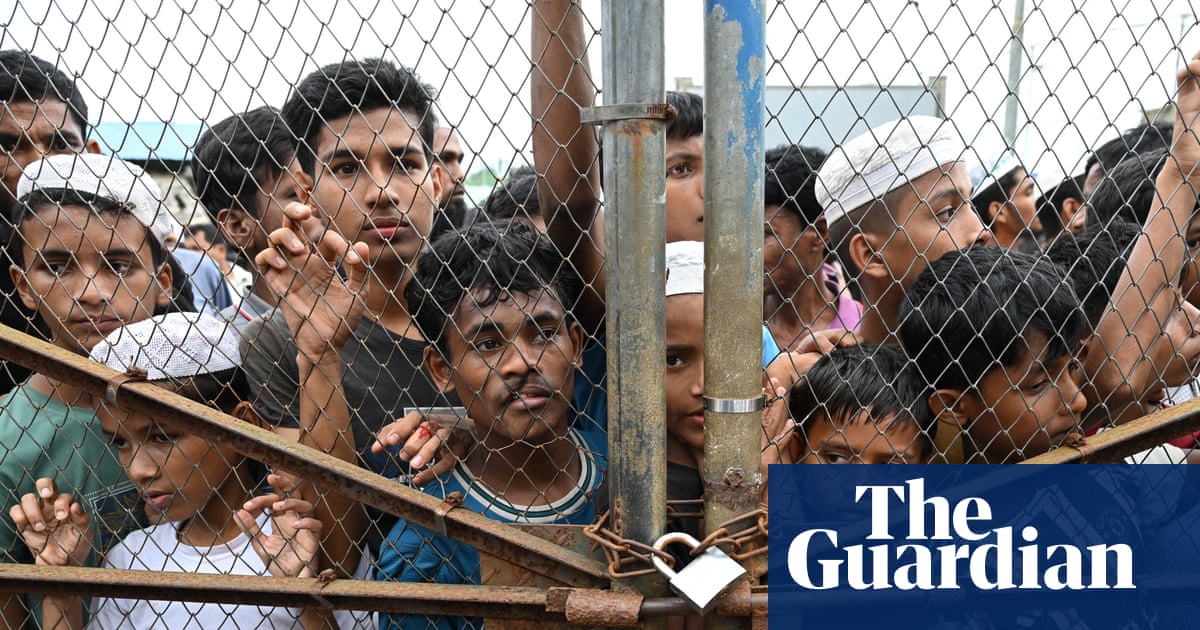
About 1.2 million Rohingya refugees now live in Bangladesh, primarily in crowded camps across Cox’s Bazar district, where they face harsh conditions, including fire hazards, infectious diseases, monsoon landslides, inadequate sanitation and strict work restrictions.
The ICJ is also considering allegations of genocide in cases involving Israel and Russia. South Africa has accused Israel of breaching the genocide convention during its offensive in Gaza, a claim Israel vehemently denies. The case is years from completion. An interim ICJ judgment in 2024 ordered Israel to ensure its forces do not commit acts of genocide against Palestinians in Gaza.
Ukraine has a case pending against Russia. After Moscow’s full-scale invasion in February 2022, Kyiv accused Russia of fabricating genocide claims against Ukraine to justify the attack.