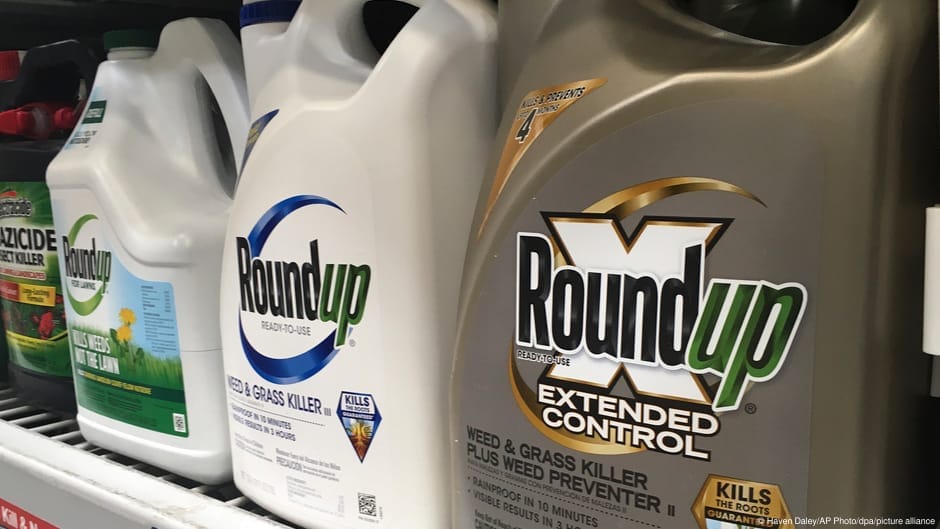
A US judge on Friday approved Bayer’s $7.25 billion (€6.60 billion) settlement of lawsuits alleging that its Roundup weedkiller causes cancer, ruling that the agreement was “fair, reasonable, and adequate.”
Judge Timothy Boyer issued the ruling in Missouri. The settlement covers tens of thousands of people who say they developed non-Hodgkin lymphoma after using Roundup, as well as people who may be diagnosed with the disease in the future after exposure.
Bayer will pay up to $7.25 billion into a special fund over 21 years. Individual payments are expected to average between $10,000 and $165,000, depending on factors including a patient’s age, the severity of the illness and the length of exposure.
Some lawyers representing cancer patients objected that the payments were too low. Boyer rejected their objections, saying further delays could leave seriously ill patients waiting years for compensation.
Bayer CEO Bill Anderson called the approval “a decisive milestone in the company's strategy to mitigate the risks of both pending and future Roundup litigation.” Christopher Seeger, a lawyer representing cancer patients, welcomed the decision, saying: “Today's final approval order delivers guaranteed compensation to Roundup cancer victims who have waited more than a decade for justice,”
The settlement is the latest development in years of litigation over Roundup, which Bayer acquired when it bought Monsanto for $63 billion in 2018. Around 200,000 claims have been made against Bayer by people who believe the weedkiller caused their cancer.
Bayer agreed to a $10.9 billion settlement in 2020 but failed to secure approval for a separate agreement covering future cases. Some lawsuits have led to large awards, including a $2.1 billion award to plaintiffs in Georgia. Bayer has set aside $16 billion for Roundup-related legal costs, and its shares have fallen by 46% since the Monsanto takeover.
Bayer said around 200 cases remain in federal courts outside the new settlement. The company has also removed glyphosate from newer versions of Roundup sold to private consumers in the United States.
The settlement follows a US Supreme Court ruling in June that Bayer could not be sued under state laws for failing to include cancer warnings on Roundup packaging. The court said federal rules did not require such warnings and states could not impose additional labeling requirements. In October, a Missouri jury ruled in Bayer’s favor in a separate Roundup cancer case.
Monsanto introduced Roundup in 1974. Its main ingredient, glyphosate, became one of the world’s most widely used weedkillers. Farmers use it to kill weeds without damaging genetically modified crops designed to withstand the chemical; it has also been used in gardens and on lawns.
Scientists and regulators disagree about whether glyphosate causes cancer. In 2015, the World Health Organization’s cancer research agency classified it as “probably carcinogenic” to humans. The US Environmental Protection Agency says glyphosate is unlikely to cause cancer when used as directed. Bayer has repeatedly denied that Roundup causes cancer, citing scientific studies and regulatory approvals.
The debate intensified last year after a major scientific study that had supported Roundup’s safety for decades was withdrawn. The journal that published it cited serious problems, including missing cancer research and previously undisclosed involvement by Monsanto employees.