The US measles death toll has reached 14 as the national case count approaches 6,000, the highest annual total since 1991. Cases have been reported in 47 states and jurisdictions, and 43 outbreaks account for 96 percent of this year’s infections.
Four states have reported more than 500 cases. Pennsylvania leads with 1,638 as of November 23, while nearly 650 people have been hospitalized nationwide. Last week, international health authorities formally announced that the US had lost its measles-elimination status, meaning the virus is once again endemic.
Pennsylvania’s health department announced on November 23 that an unvaccinated resident of Centre County was the state’s ninth confirmed measles death. Wisconsin reported its third death on November 24: an adult in Lafayette County. The state’s two earlier deaths were an infant and a child. New York has also reported the death of a 7-month-old baby, and Virginia reported on November 20 that a young child between the age of 0 and 4 had died.
The virus is not slowing down. Measles is the most contagious virus known and can linger in airspace for up to two hours. Up to 90 percent of people who are not immune will fall ill after exposure. People are considered immune if they have been vaccinated or previously infected. With vaccination rates slipping nationwide, the number of susceptible people is growing.
To prevent measles from gaining a foothold in a community, vaccination rates need to be 95 percent or higher. The latest data show that 92.4 percent of US kindergartners received the measles, mumps, and rubella (MMR) vaccine in the 2025–2026 school year. Only 10 states have MMR vaccination rates at or above the 95 percent threshold, and even those states have pockets and communities that are undervaccinated.
Pennsylvania, which has the largest measles outbreak this year so far, appears to have passed the peak of its epidemic curve. Wisconsin, by contrast, seems to be in the thick of its outbreak. As of today, the state’s case count reached 920, with 88 cases reported since November 20. The health department has tallied 418 cases since the start of the month.
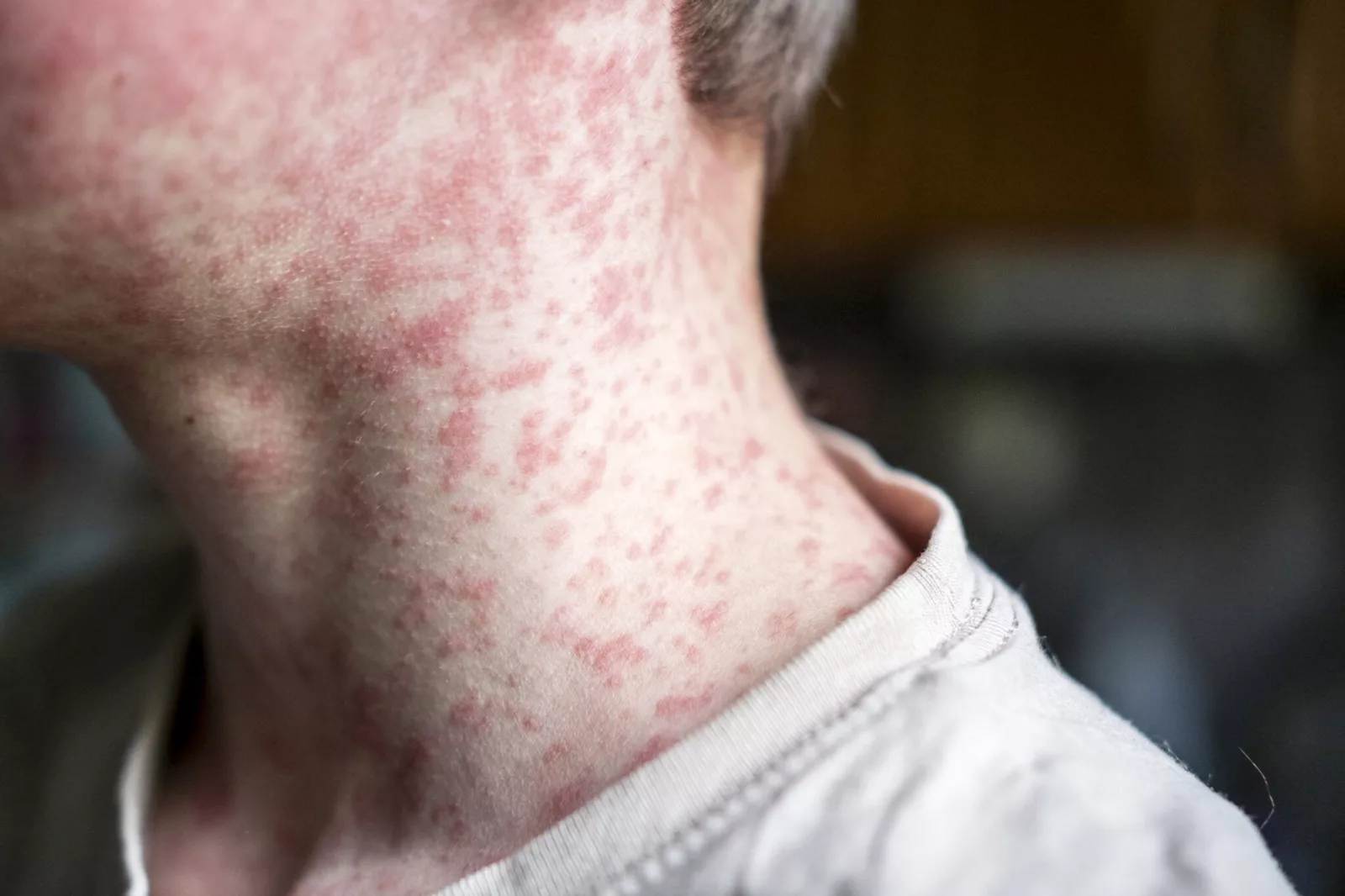
Measles usually causes high fever, a telltale rash, cough, runny nose, and watery eyes. Some people develop severe, potentially life-threatening complications, including pneumonia and brain swelling, which can cause intellectual disabilities and hearing loss. In pregnant persons, measles can cause more severe illness and pregnancy complications, including premature birth, low birth weight, and congenital measles.
After an acute infection, people face a prolonged period of immune recovery, during which they are newly vulnerable to other diseases. The measles virus infects and destroys memory immune cells, which hold molecular records of germs the immune system has previously encountered and defeated. This can wipe out immunity built up over a person’s life, a phenomenon called immune amnesia. A 2019 study estimated that measles erases up to 73 percent of a person’s antibody repertoire, which would otherwise defend against infections and reinfections. People must be exposed to germs again, through reinfections or repeat vaccinations, to regain protection.
People who appear to recover also face a risk of subacute sclerosing panencephalitis (SSPE), a rare but devastating condition in which the virus remains in the central nervous system and can strike years later, causing a progressive, fatal neurological disease.