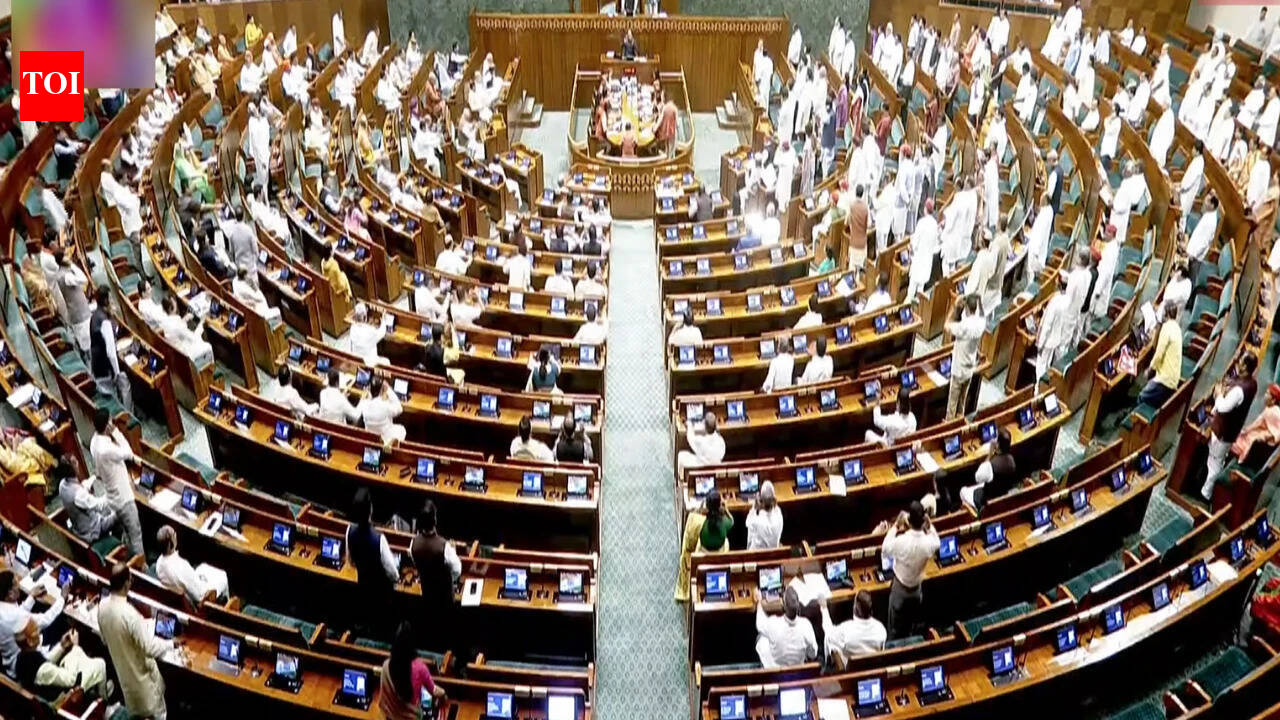
The Centre is set to introduce the Constitution (132nd Amendment) Bill, 2026, in the Lok Sabha on Monday. It proposes to implement one-third reservation for women in Parliament and state and Union territory legislative assemblies through a fresh delimitation exercise.
The proposal differs from the Constitution (131st Amendment) Bill, which was defeated in the Lok Sabha in April, in how it would handle delimitation, seat allocation and the census figures used to redraw constituencies.
The new Bill proposes a uniform 50 per cent increase in seats in the Lok Sabha and every state and Union territory assembly. It would raise the Lok Sabha’s maximum strength to 850, with up to 815 members from states and 35 from Union territories, and increase the ceiling on state assembly membership from 500 to 650. The earlier Bill did not propose a uniform percentage increase across states. Applying the same increase to each state’s existing strength would broadly preserve its share of Lok Sabha seats.
The 132nd Amendment Bill would allow constituency boundaries to be redrawn using the “latest published census figures available on the date of the commencement” of the amendment. This means the 2011 Census figures. The 2023 women’s reservation law had linked implementation of the quota to delimitation after publication of figures from the first census conducted after that law came into force.
Under the fresh proposal, revised seat allocations and constituency boundaries would remain in force until 2051. The Bill also provides for one-third reservation for women, including women belonging to the Scheduled Castes and Scheduled Tribes, for 15 years from the commencement of the 2023 amendment. Parliament could extend the reservation period by law and determine how the authority and process for rotating reserved seats would work.
The accompanying Delimitation (Second) Bill, 2026, provides for a three-member commission headed by a serving or former Supreme Court judge appointed by the Centre. The commission would allocate seats, redraw constituencies and identify seats reserved for women. Reserved seats would be allotted by rotation “as the Commission may deem fit”. Seats reserved for women from the Scheduled Castes and Scheduled Tribes would rotate within constituencies reserved for their respective categories.