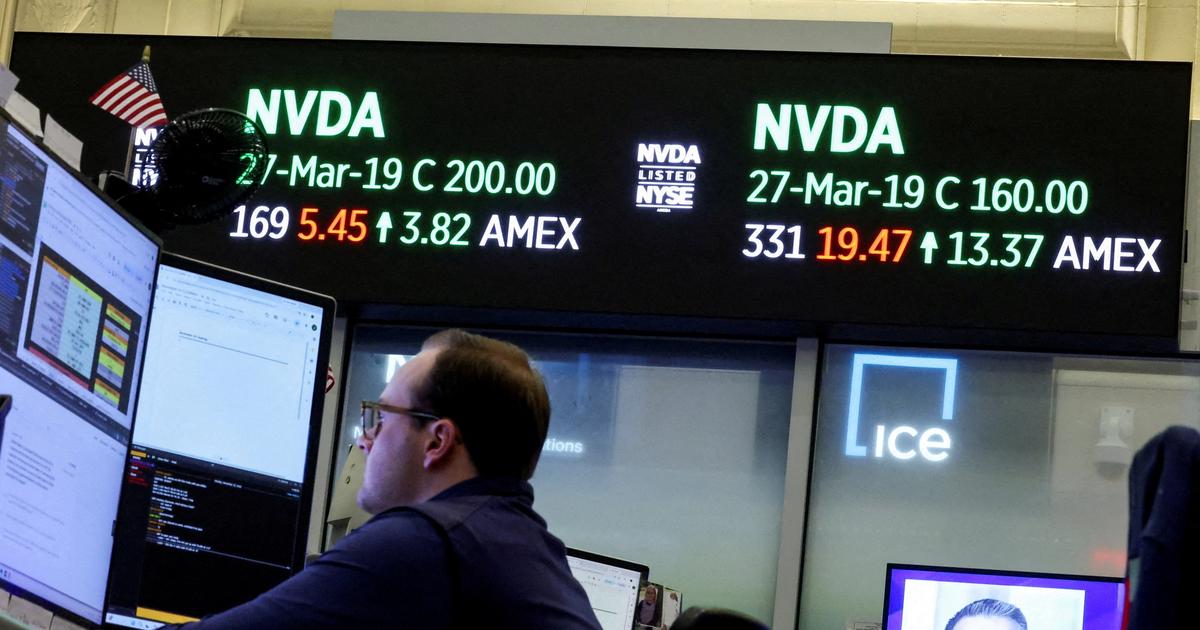
Stocks are swinging sharply in both directions on headlines that would have drawn little notice a year ago. The VIX, which measures volatility in S&P 500 stocks, reached a post-“Liberation Day” high this week, while its tech-stock counterpart is higher still.
Goldman Sachs’ value-at-risk — the amount the bank could potentially lose in a single day in the markets — rose 84% from last December to Sept. 30. That was before anxiety intensified in tech markets over Nvidia, the AI trade and export controls. Here are a few things I’m watching:
Tighter reins on Wall Street. Volatility feeds into the models used to manage risk on trading floors. Even winning traders may see their leash tightened, and some major players may leave. Hedge funds are already cutting their market exposure, which can create a cycle that adds to volatility.
Convertible bonds. Volatility can make convertible bonds more attractive: these debt-like instruments pay little or sometimes no interest, but can be exchanged for shares in the future. Because stocks that move sharply are more likely to end up in-the-money, volatility is a key factor in pricing the bonds. Issuance has reached a record $163 billion through September this year, according to SIFMA, although higher credit spreads have recently dampened the mood.
A basic rule of corporate finance is to sell what investors are buying: companies issue stock when share prices are high and bonds when debt is cheap. With the market buying volatility now, companies should be selling it.
An IPO freeze. Bankers have a rough rule that deals are shelved when the VIX stays in the high 20s, because new stocks are difficult to price while existing ones are swinging around. Anthropic’s post-IPO fizzle has already sent companies considering listings back to their bunkers, and they are unlikely to emerge anytime soon.
— Liz Hoffman