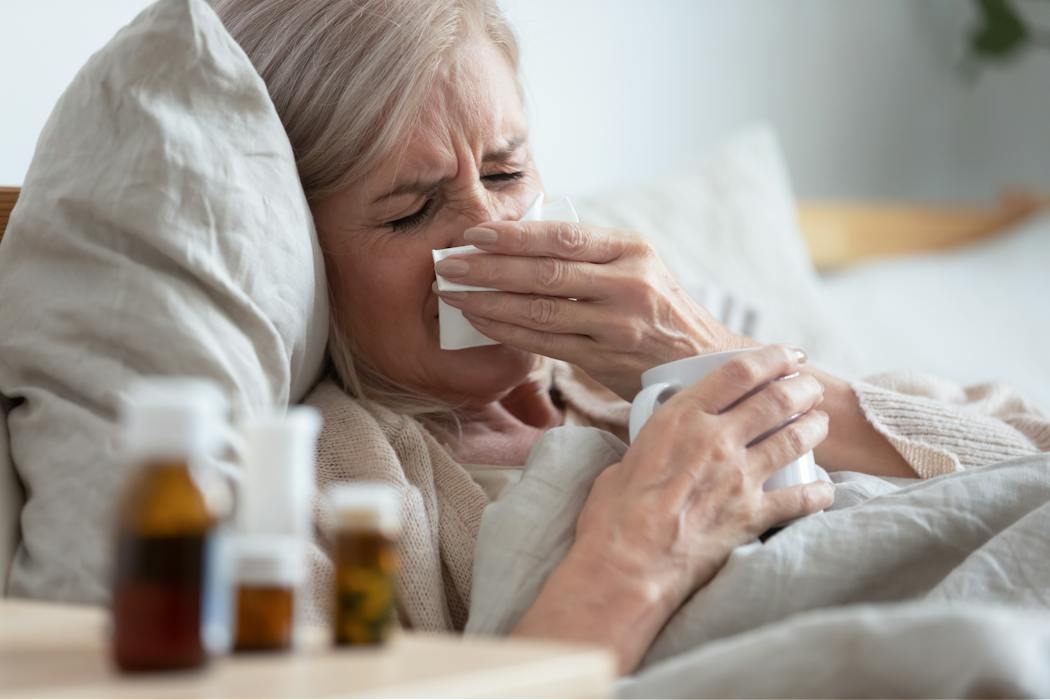
Cold air alone does not cause a cold: viruses do. But winter conditions can help viruses spread, and flu and respiratory syncytial virus (RSV) are more likely to cause serious illness in older people.
People tend to spend more time together indoors in colder weather, often with windows shut. In rooms with little fresh air, tiny virus-carrying particles can accumulate, making it easier for infections to pass between people. Anyone with a respiratory infection should delay visiting someone at higher risk until they feel better. When meeting indoors, opening a window for a few minutes can help clear the air.
The body’s early defences include mucus in the nose and airways, which traps particles such as viruses. Tiny hair-like structures then move the mucus along so the body can clear it. A 2024 review of research on indoor air found that dry conditions can slow this process.
If a virus infects a cell, the cell can send chemical signals to warn nearby cells and help them protect themselves, limiting the virus’s spread. A 2024 study found that some cold viruses multiplied more easily in nose cells kept at lower temperatures, which also produced a weaker early immune response. The study was conducted in laboratory conditions, however, and does not show whether being out in the cold makes someone more likely to catch a cold.
Age can also affect the immune system. Some immune cells become less effective, and the body may produce fewer antibodies, the protective proteins that help stop viruses infecting cells. The response to infection can also become harder to regulate; if it continues for too long, it can damage the tissues it is meant to protect.
Long-term heart or lung conditions can make infections harder to cope with. Cold air can narrow the airways and make breathing harder, while cold weather can raise blood pressure and put extra strain on the heart. Flu can lead to pneumonia or worsen an existing heart or lung condition.
Vaccines help the immune system recognise a virus and respond more quickly. Vaccines against flu, COVID and RSV can reduce the risk of serious illness. Because flu viruses change and protection fades, the NHS offers a flu vaccine each year to people aged 65 and over and others at higher risk. In England, eligibility for COVID and RSV vaccination depends on factors including age and health.
Most colds get better on their own. If you are 65 or over and have flu symptoms, the NHS advises asking your GP surgery for an urgent appointment or contacting NHS 111.
People in the group at highest risk of serious illness from COVID who develop symptoms should take a rapid COVID test as soon as possible, even if symptoms are mild. If the result is positive, they should promptly contact their GP surgery, NHS 111 or hospital specialist. COVID medicines need to be started early.
When checking on an older relative or neighbour, notice whether they seem like their usual self. Older people can have flu without a high temperature; in someone who is already frail, eating less or behaving differently can be a sign of illness.
New confusion or unusual drowsiness can indicate serious illness. If someone is more short of breath than usual, seek urgent advice from their GP surgery or NHS 111. If they become suddenly confused, are difficult to wake or are struggling to breathe, call 999 immediately.
Fran Ludwig does not work for, consult, own shares in or receive funding from any company or organisation that would benefit from this article, and has disclosed no relevant affiliations beyond their academic appointment.
Source: The Conversation — Fran Ludwig, Associate Head, Biosciences and Chemistry,, Sheffield Hallam University.