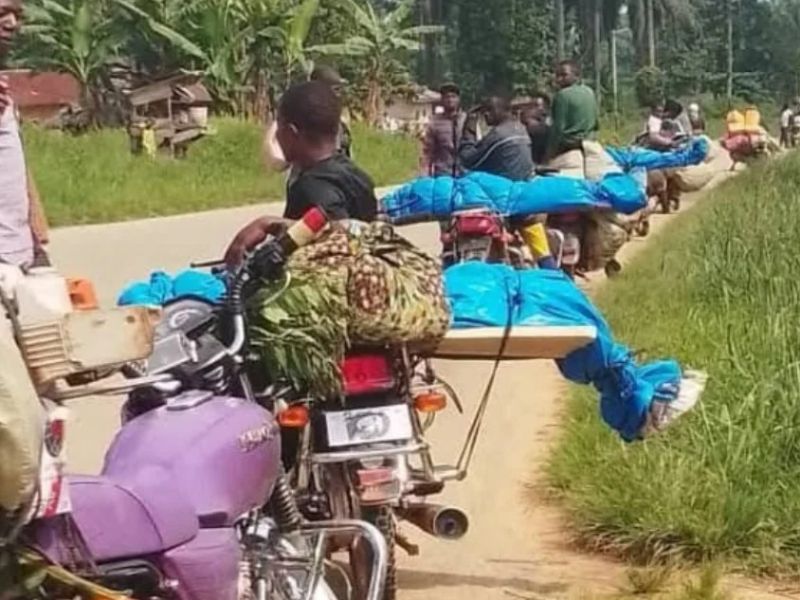
Just days after the deadly massacre in Cantine, where at least 33 civilians were reportedly killed, suspected Allied Democratic Forces (ADF) fighters have struck again in Beni Territory, claiming four more lives and burning several houses in Mabalako, in the Democratic Republic of Congo.
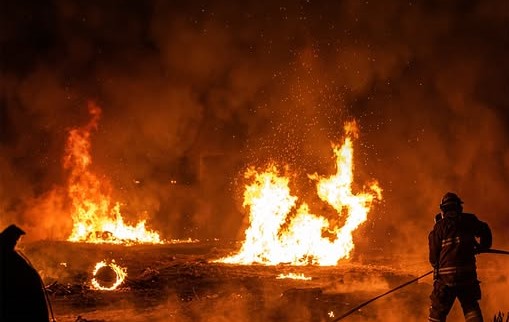
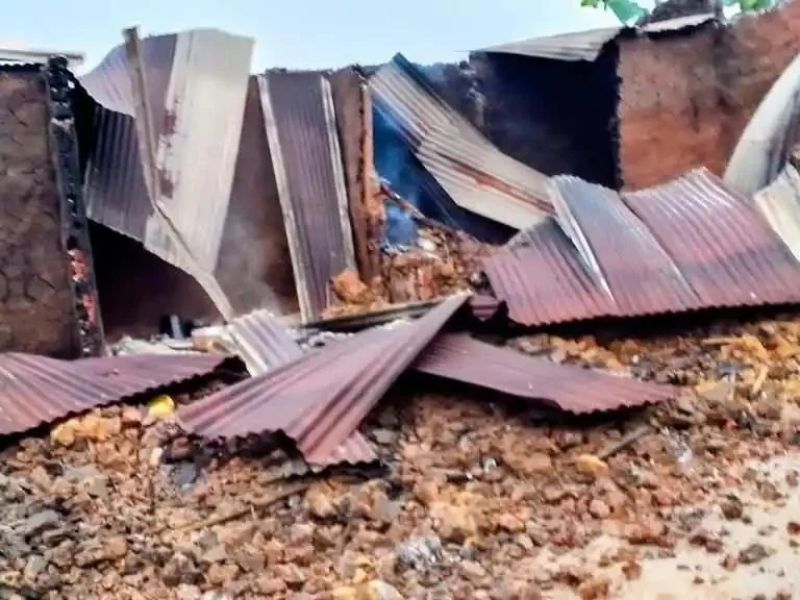
At about 12:20 a.m. on Thursday, Nov. 12, Mabalako once again faced ADF violence, with a fresh overnight attack in the Kamahume neighborhood. According to local civil society representatives, the death toll rose from an initial three to four, while more than seven houses were also set ablaze during the deadly incursion.
The attack has renewed fears among civilians already traumatized by the violence that struck Cantine-Aloya less than a week earlier.
The proximity of these two attacks in time and location has heightened concerns about the continuing threat posed by the ADF to civilian populations across Beni.
“We are living in constant fear,” said Mulwahali, a survivor. “We have not yet recovered from the pain of what happened in Cantine, where innocent people were brutally killed and homes reduced to ashes. Now the violence has reached Mabalako, and once again we are mourning our loved ones and watching our homes burn. We do not know who will be next or where these attackers will strike again.
We are even tired of burying our people without heads. All we want is to live in peace and sleep in our homes without fearing that we may never see another morning.”
Local civil society representatives have appealed to security services to take full responsibility for protecting civilians, strengthen security operations, and prevent further attacks.
Residents of Runzayi, Malondo, Ngazi, and Kibunamaru have also been urged to remain vigilant, maintain calm, and cooperate with security forces by reporting suspicious movements.
“We cannot continue living at the mercy of armed attackers,” a local Catholic bishop said. “Although the intervention of the FARDC helped limit the destruction in Mabalako, the fact that the attackers could strike and disappear without their direction being known leaves us deeply frightened. We want security, not another massacre.”
To read more news stories, visit the ICC Newsroom. For interviews, please email us. To support ICC’s work around the world, please give to our Where Most Needed Fund.
The Islamic State West Africa Province (ISWAP) is a terrorist organization that emerged in 2016 after splitting from Boko Haram. It is affiliated with ISIS and operates primarily in Nigeria and the surrounding region, targeting both civilians and military forces.
ISWAP has been responsible for numerous attacks, including assaults on Christian communities, kidnappings, and executions, as part of its broader jihadist agenda.
These violent actions contribute to ongoing instability in northern Nigeria, where religious and ethnic tensions remain high.
The international community, including the United Nations and several governments, has condemned ISWAP’s attacks, recognizing them as acts of terrorism.