Archaeologists planning fieldwork in Saudi Arabia should arrange the required visa and permits, schedule work around weather and local calendars, respect site rules, secure research data and prepare for remote conditions, according to the article.
A Saudi tourism e-visa does not authorize professional fieldwork. Researchers intending to survey, excavate or collect samples should arrange the appropriate visa through their host institution and obtain a fieldwork license from the Heritage Commission, under the Ministry of Culture. The article says unlicensed surveying or excavation can result in up to two years’ imprisonment, fines of SAR 200,000, or both.
Before traveling, the article advises carrying a passport valid for at least six months, a visa and printed excavation or survey license, a letter from host and Saudi institutions, and proof of health insurance covering remote fieldwork.
Fieldwork is usually conducted from October to March, when temperatures are more suitable for outdoor work; summer temperatures in many areas exceed 45°C. The article says Ramadan is expected to start in early February in 2027 and advises accounting for changes to work schedules, office hours and restaurant hours. Saudi Arabia’s weekend includes Friday and Saturday.
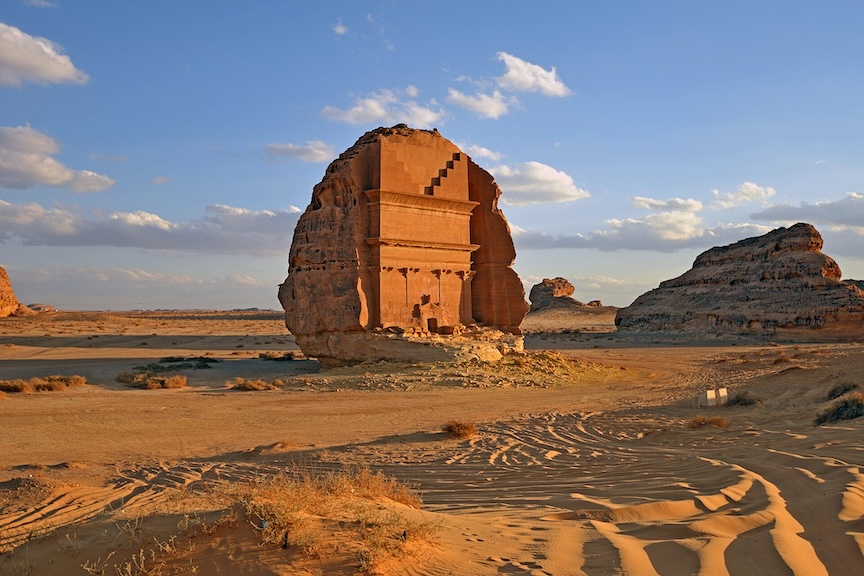
The article recommends modest clothing in towns and villages, asking permission before photographing people, and avoiding photographs of government or military buildings, security offices and checkpoints. At archaeological sites, visitors should follow the managing authority’s rules. At Hegra, access is organized by the Royal Commission for AlUla, and taking or moving objects without permission, including small sherds, is prohibited. The article reports that 55 heritage-related violations were noted in the country in the second quarter of 2026, including unlawful excavation, collecting items and operating unauthorized drones.
To protect research notes, photographs and GIS files, the article advises using two-factor authentication, regularly saving data to an encrypted drive and cloud storage, and keeping a separate backup. It also recommends checking a VPN before travel and testing whether it works with the institution’s network, while warning against using it to access blocked sites in violation of local internet regulations.
For remote sites with limited phone reception and little shade, the article recommends renting a reliable 4×4, sharing the team’s itinerary and carrying extra water. Suggested equipment includes a wide-brimmed hat, sunscreen, light long-sleeved clothing, a satellite messenger or offline maps, a first aid kit and electrolytes. Researchers planning to use unmanned aircraft should register them with the General Authority of Civil Aviation and obtain permission from team representatives; unauthorized flights over heritage sites are monitored by the Heritage Commission.