America has a plan for wasted shareholder votes. Should Britain take note? - The Herald
By Google News Personal Finance ·

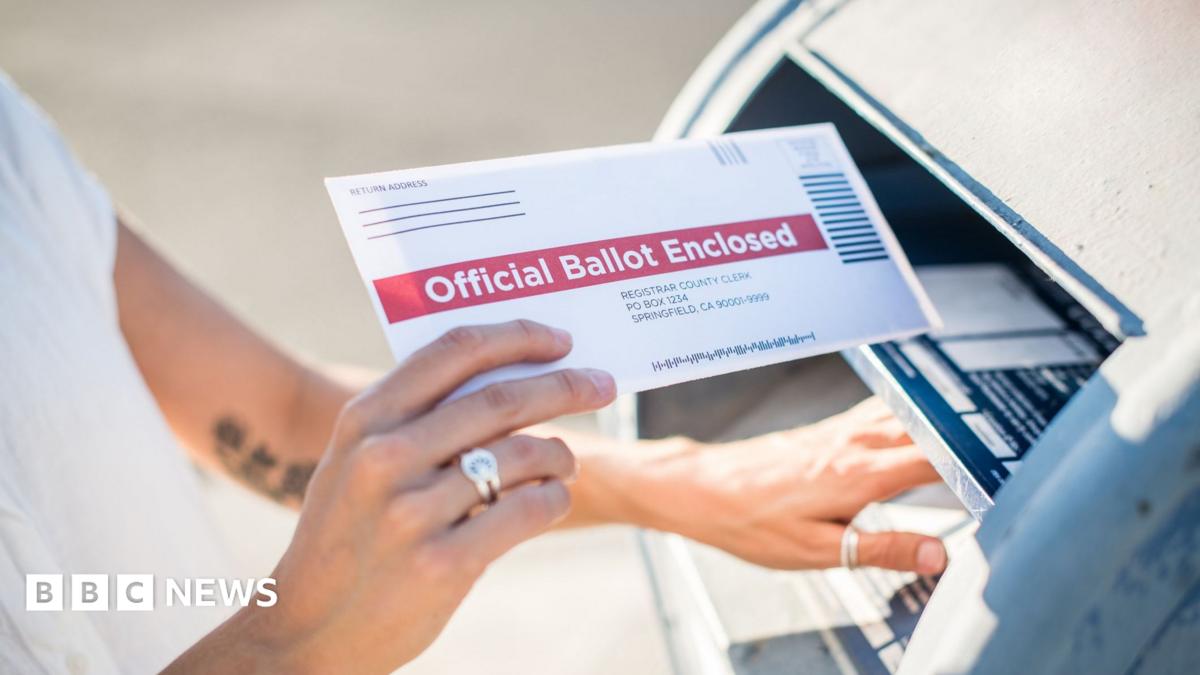
Millions of retail investors own shares in investment trusts, yet a significant proportion of their votes never get cast.
At a time when retail investors now account for around 40% of the share register in equity sectors, that matters particularly now.
The issue of wasted votes is an issue on both sides of the Atlantic. In the United States, regulators have recently tested one approach to the problem. And in the UK, exceptional levels of corporate activity have meant a series of high-profile shareholder votes to decide questions that can have a lasting effect on people’s investments.
Showdown at £1.1bn Scottish company flags urgent need for greater protections
All this has highlighted the same underlying challenge: how do we ensure that individual investors can meaningfully exercise the rights that come with ownership? A recent development in the United States is therefore worth watching.
The US Securities and Exchange Commission has issued no-action relief allowing registered funds and business development companies to implement programmes through which retail shareholders can give standing voting instructions. That means an investor could choose in advance to have their shares voted at future meetings in line with the fund board’s recommendations, although they are able to change their mind.
The attraction of that is clear. Rather than receiving voting materials repeatedly and taking no action, an investor can establish an instruction that prevents their votes from routinely going to waste.
Why bonds are back on the radar for income investors
This is not an entirely new concept in the US. A version of the approach had previously received relief for operating companies. The latest decision extends the framework to registered funds and business development companies, with different conditions and carve-outs reflecting the particular considerations that apply to funds.
We shouldn’t rush to assume that the US model can or should just be copied. However, the challenge itself is certainly not unique to America, nor is it unique to investment trusts, either.
Recent events elsewhere in the UK market have demonstrated how difficult it can be to secure meaningful participation and engagement, even when the outcome of a vote matters to a companies’ continued existence as a listed company.
Gamma Communications recently attracted attention - and our surprise - when it extended the deadline for a shareholder vote after insufficient votes had been received by the original timetable.
The specifics of any individual situation will differ, and companies, boards and shareholders may reasonably take different views on the issues being voted on. But the episode underlined a broader reality: too many votes are still failing to find their way into the process – and it isn’t necessarily just retail investors who might benefit from the spirit of an ownership culture.
NatWest profits remain strong but investors see tougher times ahead
The central challenge is bigger than how uncast votes are treated. It is how we encourage more investors to understand and exercise the rights attached to their shares and develop an ownership culture.
Standing instructions could help prevent votes from disappearing, but automatically following a board’s recommendation is not the same as active shareholder engagement.
A healthy market needs scrutiny, challenge and an appropriate balance between different shareholder interests. So it feels intuitive, perhaps, that…
Originally published by Google News Personal Finance