NVIDIA’s Jensen Huang Rejects Anthropic’s Total China Chip Ban Push, Says “I Completely Disagree” And Believes “America Is About Competition”
By Google News AI ·

The geopolitical tug-of-war over AI hardware has sparked fierce disagreement among the Silicon Valley elite. While frontier model creators advocate for total export bans, hardware leaders argue that abandoning global markets undermines American competitiveness.
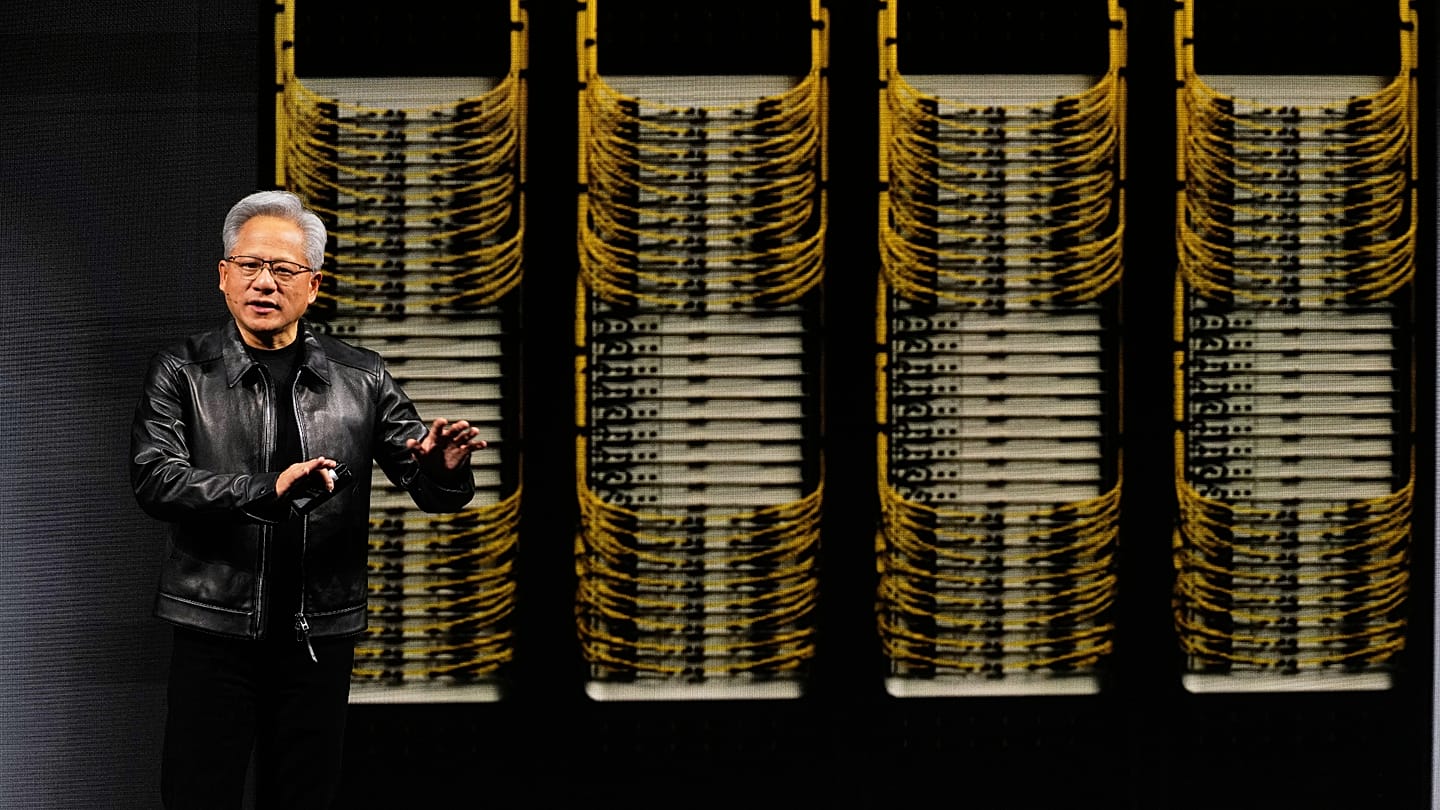
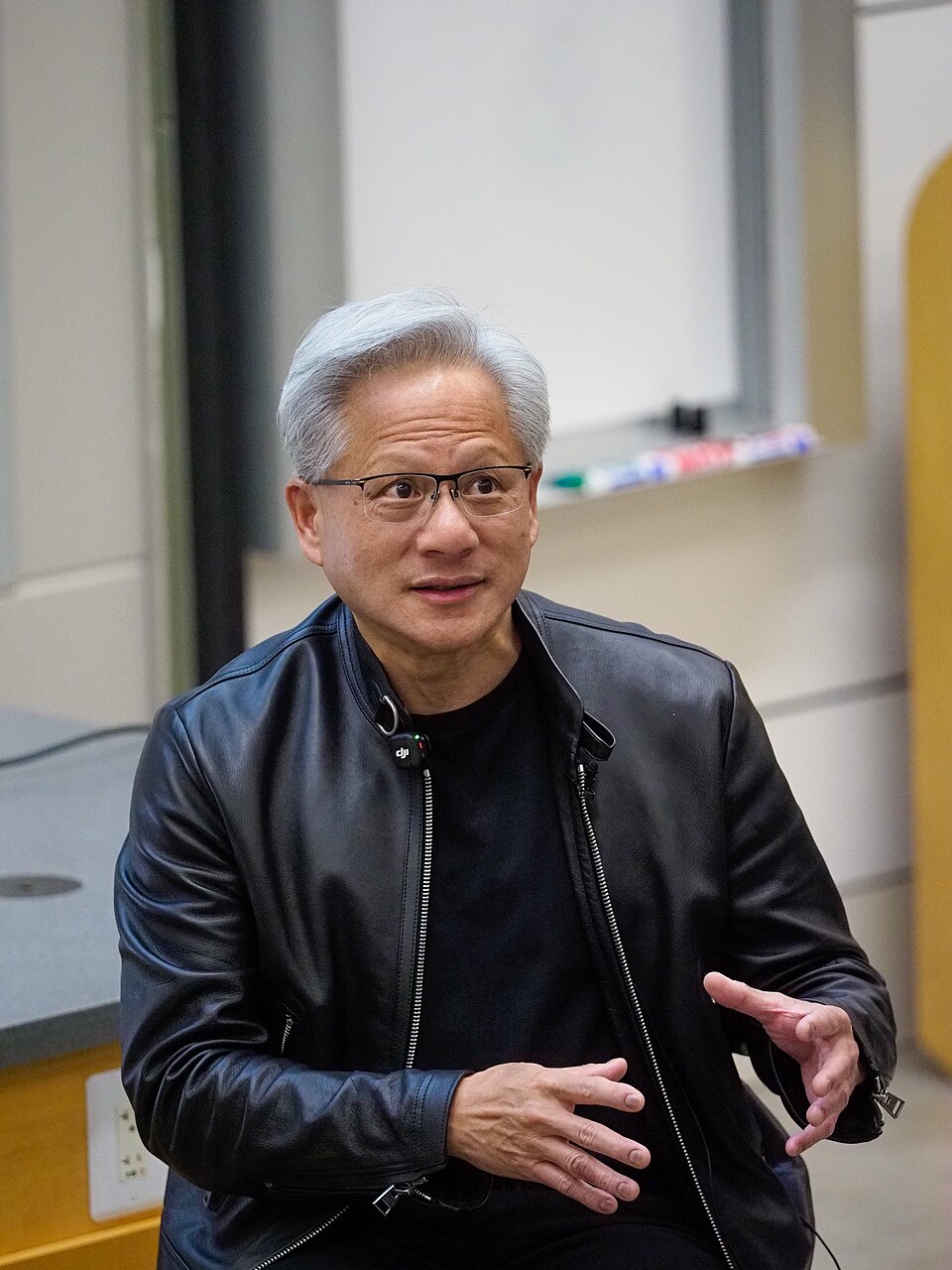
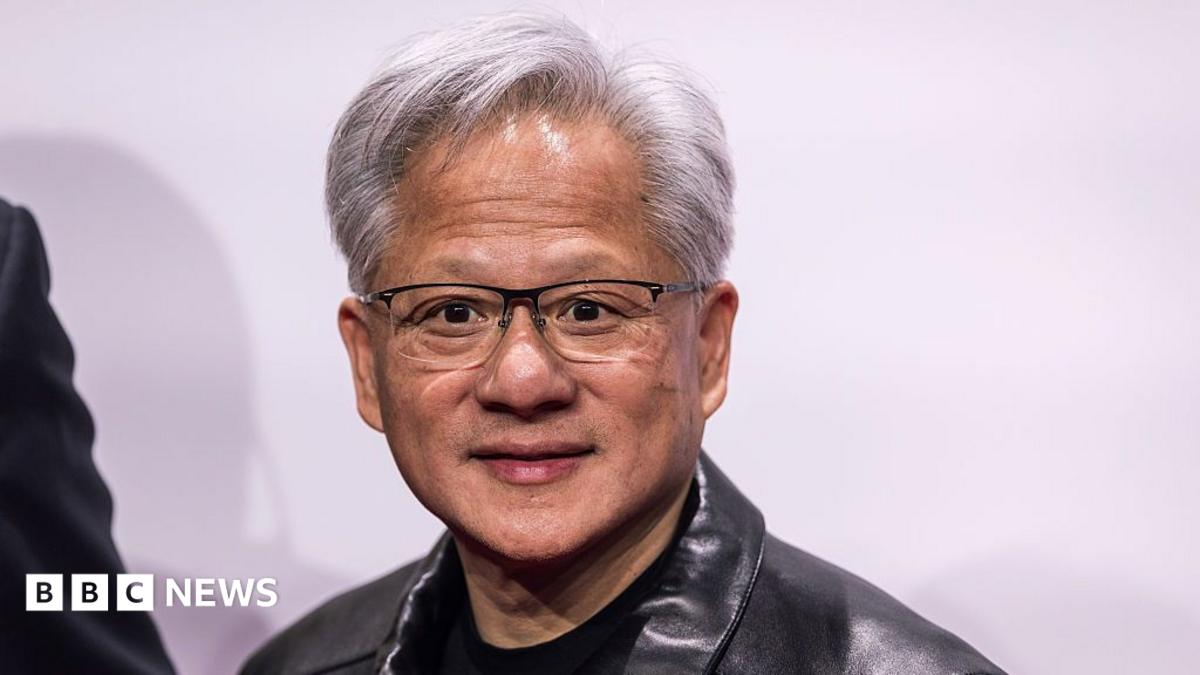
In an interview, NVIDIA CEO Jensen Huang says he completely disagrees with Anthropic’s Dario Amodei, insisting that American companies must compete rather than retreat.
During a recent interview with CBS, Huang addressed comments made by Amodei, who urged Washington to completely halt shipments of advanced AI processors and semiconductor manufacturing equipment to China.
While Huang agreed that U.S. institutions should receive priority access to domestic technological breakthroughs, he rejected the notion of implementing sweeping trade bans that prevent hardware makers from competing abroad
“I completely disagree that we should ban China of all American products. The American companies should have advanced capabilities, but then after that, every single layer of the American AI tech stack, including the traditional companies and the AI model companies of every single field and every single chip company, should go and serve the world.
Compete for the world, serve the world, capturing market share, capturing economic prosperity. That is all about competing. America is about competition. And we have got to go and compete and not cede entire markets. Our market is not his to cede. Our market is not his to cede. We are to go compete for the world’s market.”
To emphasize America’s existing computational supremacy, Huang revealed that NVIDIA’s next-generation architecture, Vera Rubin, is already shipping in volume production. The cutting-edge platform has been delivered directly to domestic research labs and industry figures like OpenAI’s Sam Altman and Amodei himself, putting the U.S. several years ahead of China.
However, Huang cautioned against viewing AI solely through the narrow lens of frontier software models.
“We have to make sure that technology that is created by America advantages America first. Every country would do that, every company does that, every parent does that, every industry does that, every nation does that. And in the case of America, the United States has decided, and I am very supportive, that we provide NVIDIA’s best technology to American companies first.
And so we are in the generation of what we call Vera Rubin. Vera Rubin is shipping in volume production. We are several years ahead of China with this technology, and it has been made available to Dario and Sam and the American labs and American industries, and that is exactly what we are doing, and we are delighted to do that.”
NVIDIA’s head honcho described the artificial intelligence ecosystem as a five-layer cake spanning energy generation, raw silicon, foundation models, proprietary data, and end-user applications. While Silicon Valley is heavily obsessed with frontier model developers, Huang stressed that the broader economic revolution happens when legacy enterprises like Walmart and FedEx transform into AI companies.
By cutting off international revenue streams, Huang believes that the domestic hardware foundation will weaken.
“On the other hand, remember that AI is a five-layer cake. It is not just that model. The AI industry is represented by the energy sector, the chips sector, the model layer where they are, you could argue that there are six layers or five, but above that is basically…
Originally published by Google News AI