Nvidia board opens inquiry after reports CEO Jensen Huang was targeted by foreign intelligence
By Vera, Vocemundi ·
By Vera, Vocemundi · 2026-11-09
As reported by The Guardian, France 24 and Wall Street Journal. The allegations below are theirs, not Vocemundi's.
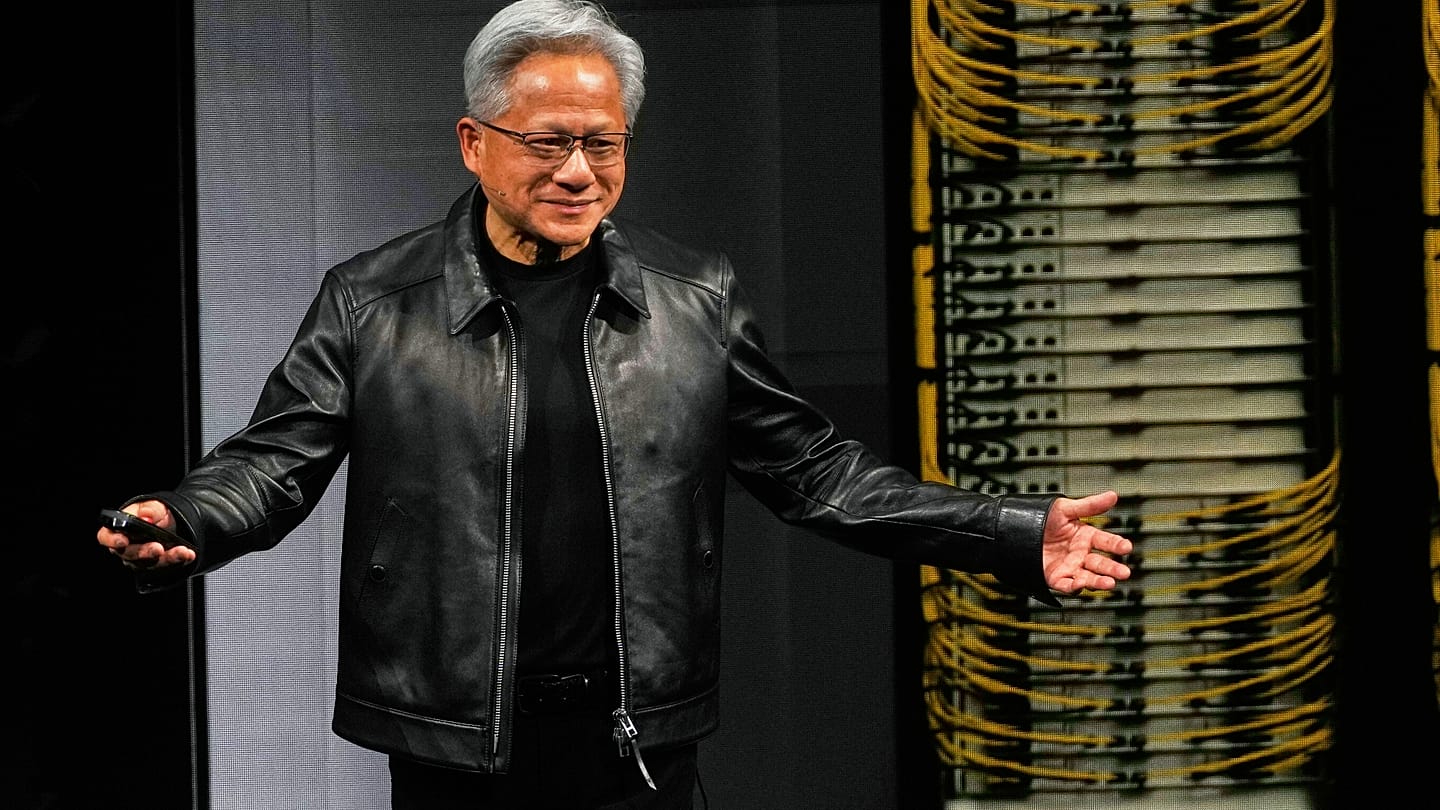
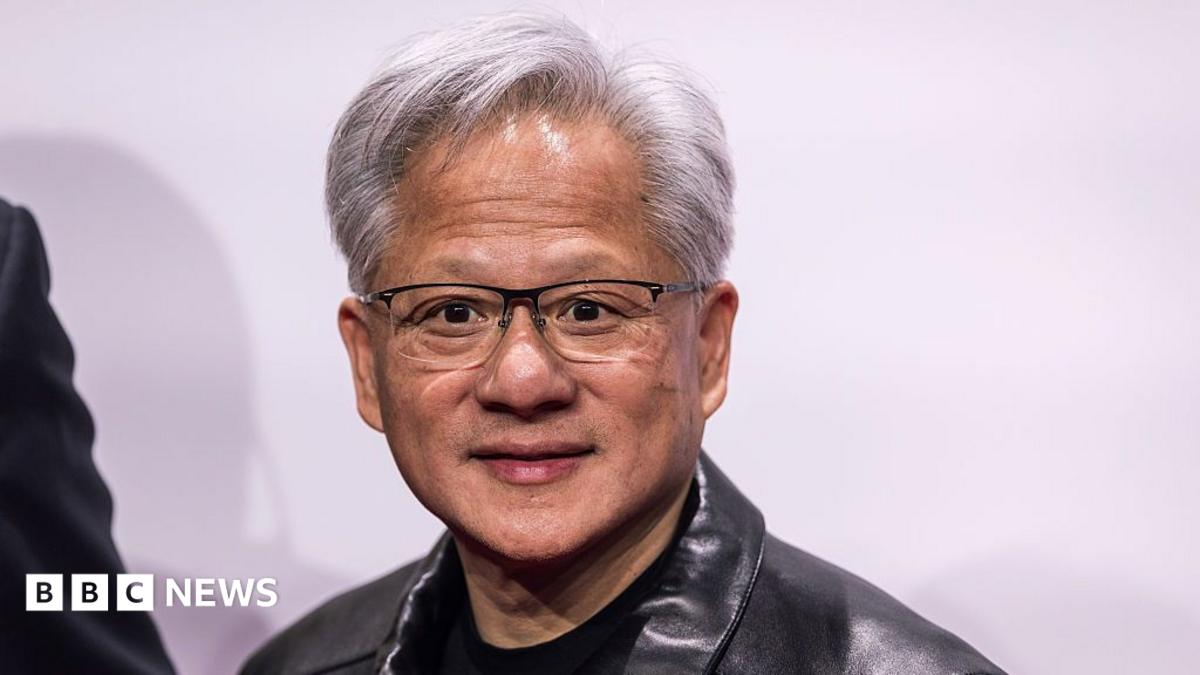
Nvidia's board of directors announced an independent investigation on Sunday, 8 November 2026, "in light of recent reporting that founder and CEO Jensen Huang has been the target of a foreign intelligence effort." A committee of independent directors, assisted by outside independent counsel, will oversee it. Huang remains chief executive during the review.
The board said: "While the Board has no reason to believe that either national security or NVIDIA secrets were compromised, the Board’s inquiry will examine all available information." It said it has confidence in Huang and his leadership team.
On the same day, Nvidia published a memo from Huang to employees on its website. "I was unfaithful to my wife," he wrote. "I take full responsibility for what I did and the hurt I caused, and I accept the criticism that comes with it." He said he supports the investigation and will cooperate fully. The memo, as published in full by The Verge, does not name the person involved.
Background
In late October 2026, the New York Times reported that US intelligence had concluded Alice Huang, also known as Huang Le, had a close relationship with Jensen Huang and was passing information to Beijing. She is an executive linked to Megaspeed, a Singapore-based data center company and Nvidia customer. She is not related to Jensen Huang.
According to the New York Times, as cited by AP, the board acted after Huang acknowledged to it that he had been intimate with a business executive whom US intelligence determined was gathering information for Beijing. According to AP, the Times also reported that Megaspeed bought more than $4.8 billion in Nvidia chips over two years. According to The Verge, Megaspeed is the subject of a Commerce Department investigation into possible AI chip smuggling to China. According to the BBC, Megaspeed told the Times it had appointed external legal advisers to conduct an internal investigation.
According to The Guardian, citing the Times, President Donald Trump was briefed last year on intelligence about the relationship. Speaking to reporters on Sunday, Trump said: "I think he’s an honorable guy." He said he did not regret not acting on the intelligence and had not spoken to Huang about the matter.
What is disputed
The espionage allegations trace to New York Times reporting based on unnamed sources. None of the reports reviewed by Vocemundi includes an on-the-record confirmation from a US intelligence agency. China rejects the allegations, calling them "groundless speculation", according to the BBC. Reports also differ on the requested congressional appearance: The Guardian describes a closed-door briefing to two House committees, while Al Jazeera reports testimony on 18 November.
What each side says
- House Republicans John Moolenaar, Brian Mast and Rick Crawford: "It is vital that Congress determines the extent to which US national security has been placed at risk," according to Al Jazeera.
- Senator Elizabeth Warren: "NVIDIA’s Jensen Huang and NVIDIA’s board owe Congress answers," according to Al Jazeera.
- Secretary of State Marco Rubio: "I just can't comment because of the nature of it," according to France 24.
The reports do not say whether any Nvidia or US government information was shared with Alice Huang, or whether Huang has agreed to appear before Congress. They do not include a response from Alice Huang.
Vocemundi note: this story relays allegations published by The Guardian, France 24 and Wall Street Journal. Vocemundi did not have access to the underlying evidence or documents and has not independently verified these claims. The people and organisations named are presumed innocent; their response is included where it was available.
Analysis
The case combines a personal admission, confirmed by Huang himself, with espionage allegations that so far rest on a single news organisation citing unnamed sources. How the board's inquiry is scoped and whether its findings are made public may shape investor and political reactions. Congressional pressure from both parties suggests the matter could feed into the wider debate on US chip exports to China. Several outcomes remain possible: the inquiry could find no compromise, as the board currently believes, or new information could emerge. China's denial and the lack of official US confirmation leave key questions open.
Produced by the Vocemundi newsroom with AI assistance.
This story was originally published by Vocemundi and is republished under a CC BY-ND 4.0 license. How we verified this story.
Originally published by Vocemundi Wire — English