Anti-Arab sentiment on X rose by more than 400% in the days after Israel’s 27 October election, according to an analysis by FakeReporter, which also found anti-Arab content spreading on Facebook and other platforms.
A report by the Israel-based Brandeis Institute and FakeReporter recorded a surge in anti-Arab discourse on X, Facebook, Instagram and TikTok around the election. The analysis said anti-Arab sentiment on X rose by more than 400% from election day to 29 October.
The report identified three main messages in the posts. One alleged that “the Arabs stole the election” through fraud, vote buying and foreign interference; Israel’s electoral commission had publicly refuted those claims. Other posts portrayed Arab citizens of Israel as a security threat and called for restrictions on their right to vote.
Arab-majority parties won 19 seats in the Knesset in last month’s election, potentially putting them in a kingmaker position. Opposition leader Gadi Eisenkot has been invited to try to form a coalition to replace Benjamin Netanyahu’s religious-nationalist government.
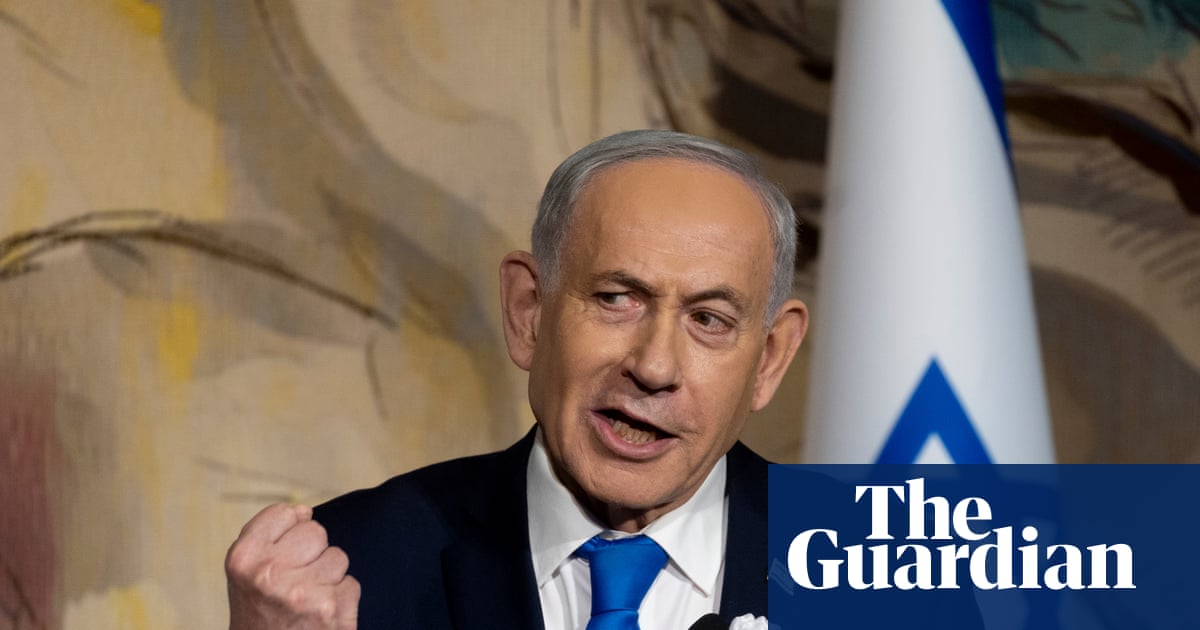
Some widely viewed posts came from senior Israeli officials. Netanyahu’s post, “They stole the election in Israel!”, was viewed 1.2m times. A post by far-right national security minister Itamar Ben-Gvir calling for heads of Arab political parties was viewed more than 350,000 times.
FakeReporter said politicians from Netanyahu’s political bloc fuelled much of the hate speech. “It can be said that they were a major factor in spreading hate speech against Arab citizens of Israel following the election,” its analysis said.
Arab citizens of Israel, the majority of whom are Palestinians, make up 21% of the country’s population. Since the Hamas-led 7 October 2023 attack and Israel’s subsequent war in Gaza, Arab political leaders have faced increasingly inflammatory attacks and accusations of dual loyalties.
Before the election, Israel’s Central Elections Committee voted to bar the country’s two main Arab-majority political lists from running. The decision was later struck down by the Israeli supreme court. Eisenkot last week condemned what he called a “racist and aggressive campaign of delegitimisation” against Arab citizens.
On 4 November, the Brandeis Institute and FakeReporter sent letters to Google, Meta, TikTok and X urging them to take steps to stop hate speech against Arab citizens of Israel spreading on their platforms. Google was the only company to respond, saying Israel’s election was a “Priority 0” and that it had dedicated resources to monitoring traffic around the election. It said the Central Elections Committee had made no requests for extra moderation procedures.